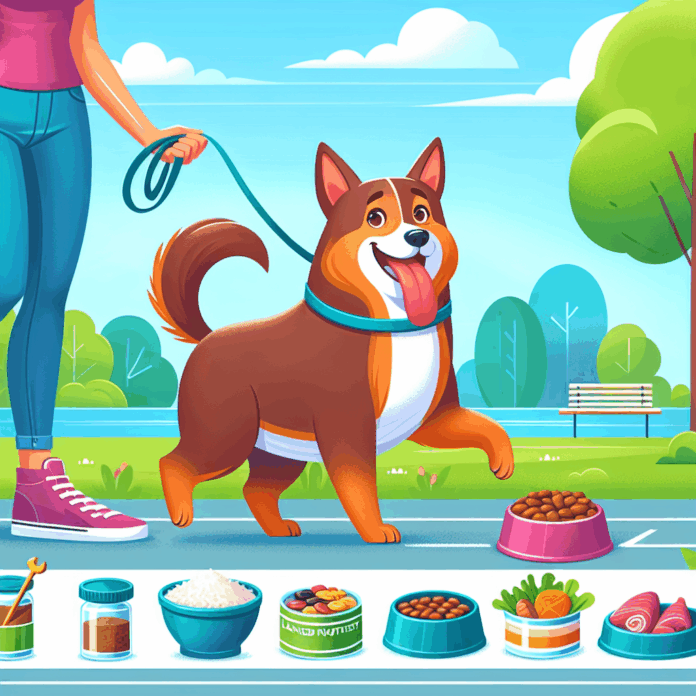
Managing an overweight dog is a common challenge that many pet owners face. Obesity in dogs can lead to numerous health issues, including diabetes, joint problems, and heart disease. The key to helping your furry friend lose weight is not only to incorporate regular exercise but also to provide them with the right nutrition. In this article, we’ll explore the best foods for managing your overweight dog, offering insights into diet formulation, healthy ingredients, and tips for meal planning.
Understanding Canine Obesity
Before we dive into the best foods for overweight dogs, it’s essential to understand what obesity means in the canine world. A dog is classified as overweight if it weighs 10% to 20% more than its ideal weight. A dog is considered obese when it exceeds its ideal weight by more than 20%. Owners can identify obesity by assessing their dog’s body condition score (BCS) and making observations about their physical appearance.
Health Risks of Obesity
- Joint Problems: Extra weight increases stress on joints, leading to arthritis and pain.
- Diabetes: Obesity can lead to insulin resistance and diabetes mellitus.
- Heart Issues: Excess fat can strain the heart, leading to cardiovascular problems.
- Shortened Lifespan: Studies suggest that overweight dogs have a shorter lifespan than their well-maintained counterparts.
- Decreased Quality of Life: Overweight dogs often have reduced activity levels, affecting their overall happiness.
The Importance of Nutrition
Nutrition plays a pivotal role in managing your dog’s weight. Quality dog food rich in the right nutrients will not only help in weight loss but also maintain their overall health. Here’s what to focus on:
High Protein, Low Carbohydrates: Dogs are natural carnivores, and a diet high in proteins can help them feel satiated without adding excess calories. Low-carb diets can also prevent spikes in blood sugar.
Fiber-Rich Foods: Fiber aids digestion and helps dogs feel full. Ingredients like pumpkin, sweet potatoes, brown rice, and green beans are excellent choices.
Healthy Fats: While fats should be limited, essential fatty acids, such as Omega-3 and Omega-6, are beneficial for a dog’s coat and skin health.
- Portion Control: Even the healthiest foods can lead to weight gain if portion sizes are not managed. Measure your dog’s food and feed them multiple smaller meals to promote satiety.
Best Foods for Overweight Dogs
1. Prescription Diets
Pet food brands often offer prescription diets designed specifically for weight management. These diets tend to be lower in calories and enriched with essential nutrients. Brands like Hill’s Prescription Diet, Royal Canin, and Purina Pro Plan Veterinary Diets are reputable sources. Consult your veterinarian for recommendations tailored to your dog’s needs.
2. High-Quality Commercial Dry Foods
When selecting dog food, look for high-quality commercial brands that list meat (like chicken, beef, or fish) as the first ingredient, followed by whole grains or vegetables. Avoid foods high in fillers—such as corn, soy, and wheat—since they provide little nutritional benefit. Brands like Blue Buffalo, Wellness Core, and Orijen are known for higher quality ingredients.
3. Raw or Homemade Diets
Some pet owners cook for their dogs, using fresh ingredients to create balanced meals. If you opt for a homemade diet, maintain the right balance of proteins, healthy fats, and carbohydrates. Consult your veterinarian or a pet nutritionist to ensure your dog’s dietary needs are being met.
Homemade Diet Sample Recipe:
- Protein Source: 1 pound ground turkey or chicken
- Carbohydrate Source: 1 cup brown rice or sweet potatoes
- Vegetables: 1 cup carrots and green beans, chopped
- Fats: 1 tablespoon fish oil (Omega-3)
Cook all ingredients thoroughly and mix before serving. Always ensure that meals are balanced and consult with a vet for any additional supplements your dog may need.
4. Weight Management Treats
Reducing treats can help control calorie intake. However, instead of eliminating them completely, opt for weight management treats that are specifically formulated for dogs trying to lose weight. Look for low-calorie snacks, like:
- Carrots
- Green beans
- Blueberries
- Apples (without seeds)
5. Canned Food
Incorporating wet food can often promote hydration and help dogs feel full. Choose low-calorie, high-protein canned foods designed for weight management.
Tips for Managing Your Dog’s Weight
Regular Vet Checkups: Frequent check-ins can help monitor your dog’s weight and overall health. Your vet can also help create a personalized diet plan.
Controlled Feeding Schedule: Establish a feeding routine with measured portions to avoid overeating.
Exercise Routine: Incorporate a consistent exercise routine that fits your dog’s needs. Short walks, swimming, or interactive play can greatly aid weight management.
Monitor Progress: Keep a journal or use a weight tracking app to monitor your dog’s weight and adjust their diet and activity levels accordingly.
- Avoid Table Scraps: Resist the urge to share your meals, as human food often contains unhealthy ingredients that can contribute to weight gain.
FAQs
1. How do I know if my dog is overweight?
You can assess your dog’s weight through visual observation and the body condition score. You should be able to feel your dog’s ribs without excess fat covering them, and they should have a noticeable waistline when viewed from above.
2. What is the best way to transition my dog to a new diet?
Gradually mix the new food with the old food over a week, increasing the proportion of new food each day. This helps prevent digestive upset.
3. How often should I feed my overweight dog?
Feeding smaller, more frequent meals can help manage hunger levels. Two to three meals a day is often optimal, but consult your vet for specific recommendations.
4. Can I give my dog supplements for weight loss?
Some supplements may aid in weight loss, such as Omega-3 fatty acids or fiber supplements. Always consult your veterinarian before introducing any new supplements.
5. How long will it take for my dog to lose weight?
Weight loss depends on various factors, including your dog’s current weight, metabolism, and adherence to a diet plan. A safe weight loss rate is about 1-2% of body weight per week.
Conclusion
Managing your dog’s weight is a multifaceted approach that requires dedication and attention to nutrition. By choosing the right foods, consulting with veterinarians, and maintaining a healthy lifestyle, you can help Fido shed those extra pounds and live a happier, healthier life. With love, patience, and the right strategy, you and your furry companion can embark on a rewarding fitness journey together.

