

As our canine companions grow older, many pet owners notice changes in their behavior, energy levels, and mobility. One common issue that can significantly affect a dog’s quality of life is joint pain. Similar to humans, dogs can experience arthritis, inflammation, and other joint conditions that lead to discomfort. Understanding the signs and symptoms of joint pain in dogs, as well as potential solutions, is crucial for ensuring our furry friends lead happy and healthy lives.
Understanding Joint Pain in Dogs
Joint pain can stem from various causes including age-related degeneration, diseases such as arthritis, dietary deficiencies, injuries, and weight-related stress. Understanding the underlying cause requires observation and often a consultation with a veterinarian. The most common joint issues in dogs include osteoarthritis, hip dysplasia, and cruciate ligament injuries.
Signs and Symptoms of Joint Pain
Recognizing the signs of joint pain promptly is vital in managing the condition effectively. Here are some common indicators:
Difficulty Walking: Dogs suffering from joint pain may hesitate to walk, limp, or show a reluctance to move. You might notice your furry friend struggling to rise after lying down.
Changes in Activity Level: A noticeable decrease in activity or playfulness can be a strong indicator of discomfort. Dogs that once loved running might prefer lounging around.
Weight Gain: If your dog is less active due to joint pain, they may gain weight, leading to further strain on their joints.
Change in Behavior: Even the friendliest dogs can become irritable when in pain. If your dog seems unusually grumpy or hesitant to be touched, joint pain may be the cause.
Licking or Chewing: Dogs might lick their joints or affected areas excessively as a way to soothe the discomfort.
Changes in Stairs Ability: If your dog struggles with climbing or descending stairs, it could indicate joint pain.
Visible Swelling: In some cases, you might notice swelling around the affected joints.
- Arched Back: Dogs in pain might alter their posture, often appearing hunched or with an arched back.
Diagnosis: What to Expect
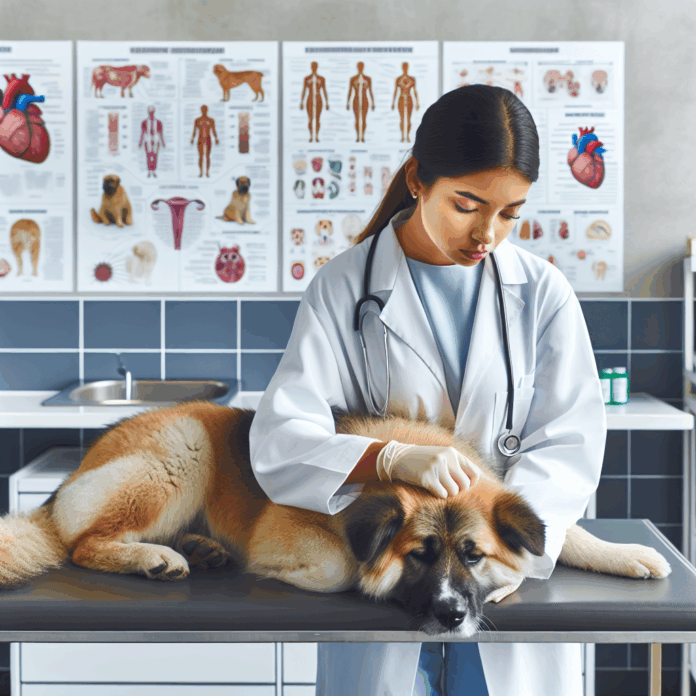
If you suspect your dog is experiencing joint pain, it’s essential to consult a veterinarian. The diagnostic process may include:
- Physical Examination: The vet will assess your dog’s overall health and check for tenderness in the joints.
- Imaging: X-rays or ultrasounds can help visualize damaged or degenerated joints, giving a clearer picture of the extent of any injury or disease.
- Laboratory Tests: Blood tests may be conducted to rule out other potential health issues.
Solutions for Managing Joint Pain
While joint pain can be challenging, there are various solutions to help manage this condition and enhance your dog’s quality of life.
1. Weight Management
Keeping your dog at a healthy weight is one of the most effective ways to alleviate stress on their joints. Consult your vet for appropriate feeding and exercise plans tailored to your dog’s specific needs.
2. Dietary Adjustments
High-quality dog food rich in fatty acids omega-3 and omega-6 can help reduce inflammation. Supplements such as glucosamine and chondroitin may also be beneficial in promoting joint health.
3. Regular, Moderate Exercise
Moderate exercise is essential for maintaining joint mobility and muscle strength. Activities like short walks, swimming, or gentle play can keep your dog active without exacerbating pain.
4. Pain Relief Medication
Veterinarians may prescribe non-steroidal anti-inflammatory drugs (NSAIDs) or other pain relievers to help manage discomfort. Always follow the vet’s instructions regarding dosage and administration.
5. Physical Therapy
Canine physical therapy can help improve strength and flexibility in a dog’s limbs, reducing discomfort and enhancing mobility. This approach may include exercises, massages, and even the use of hydrotherapy.
6. Acupuncture and Chiropractic Care
Alternative therapies, such as acupuncture and chiropractic adjustments, have gained popularity for treating joint pain in dogs. These methods can help manage pain and improve function.
7. Comfortable Living Environment
Creating a comfortable living space can have a significant impact on your dog’s well-being. Consider using orthopedic dog beds designed to offer joint support. Ramps can also assist dogs in navigating heights without putting pressure on their joints.
8. Surgical Options
In severe cases, surgery may be necessary. Procedures ranging from joint injections with hyaluronic acid to total joint replacement can provide lasting relief for dogs suffering from debilitating pain.
Preventive Care
Preventive care is as crucial as treatment. Regular vet check-ups can help detect early signs of joint issues. Additionally, maintaining a healthy lifestyle through proper diet and consistent exercise can significantly minimize the risk of developing joint problems.
Conclusion
Joint pain in dogs is a common concern but it doesn’t have to dictate their quality of life. With early detection, proper diagnosis, and an appropriate management plan, many dogs can continue to live joyful, active lives. Whether it’s a slight limp or a significant decline in activity, paying attention to changes in your dog’s behavior is key. Remember, a happy hound starts with a healthy hound.
FAQs
1. What breeds are most susceptible to joint pain?
Certain breeds, particularly larger ones like Labrador Retrievers, German Shepherds, and Golden Retrievers, are more prone to joint issues due to their size and genetic predispositions.
2. How can I tell if my dog is in pain?
Besides mobility issues, signs of pain in dogs can include changes in appetite, restlessness, excessive barking, and more withdrawn behavior.
3. Are there natural remedies for treating joint pain in dogs?
Many dog owners turn to natural remedies like fish oil supplements, turmeric, and joint-supporting herbs. However, it’s vital to consult a vet before starting any treatment.
4. How can I help my dog maintain joint health?
Regular exercise, a balanced diet, maintaining a healthy weight, and routine veterinary check-ups are essential for maintaining joint health in dogs.
5. When should I seek veterinary help?
If your dog displays significant changes in mobility, behavior, or appetite that persist for more than a day or two, it’s best to consult your veterinarian.
Through understanding, vigilance, and proper care, we can help our beloved pets navigate the challenges of joint pain and live their happiest lives.

