

Hip dysplasia is a common orthopedic condition in dogs, characterized by the abnormal development of the hip joint. This malformation can lead to arthritis, pain, and a significant reduction in mobility. As dog parents, understanding this condition is crucial for the well-being of your furry friends. This article will explore the key signs of hip dysplasia, risk factors, and management strategies, along with frequently asked questions to provide a comprehensive understanding.
What is Hip Dysplasia?
Hip dysplasia occurs when the ball-and-socket joint of the hip does not fit together perfectly, leading to instability. This can cause the cartilage to wear away over time, resulting in inflammation, pain, and ultimately degenerative joint disease (DJD). While it can affect any dog, certain breeds such as German Shepherds, Golden Retrievers, and Bulldogs are more prone to this condition due to genetic predispositions.
Causes and Risk Factors
Genetics: Hip dysplasia is often hereditary, meaning if a dog’s parents had hip dysplasia, the likelihood of the offspring developing the condition increases.
Diet and Obesity: Rapid growth in puppies, especially in large breeds, combined with a caloric surplus can exacerbate hip dysplasia. Maintaining a balanced diet and an ideal weight is crucial.
Environment: Factors such as excessive exercise during the early stages of growth can negatively impact hip development.
- Age: While hip dysplasia can be present at birth, symptoms may not manifest until the dog is older, typically between six months and two years of age.
Key Signs of Hip Dysplasia
Recognizing the signs of hip dysplasia early can lead to timely diagnosis and management, improving your dog’s quality of life. Here are some key signs every dog parent should be aware of:
1. Difficulty Rising
Dogs with hip dysplasia may struggle to get up from a lying position or experience stiffness when they first stand. This difficulty can be particularly noticeable after rest, as the joints may stiffen.
2. Decreased Activity Level
If your normally playful dog suddenly becomes less active, it could be a sign of hip dysplasia. Affected dogs may seem reluctant to engage in play or go for walks and may prefer to spend more time resting.
3. Limping or Bunny Hopping
Watch for changes in your dog’s gait. Limping, favoring one leg over the other, or a "bunny hop" motion, where both hind legs move simultaneously, are common signs of hip issues.
4. Reluctance to Jump or Climb Stairs
Dogs with hip dysplasia often hesitate to jump onto furniture or into vehicles and may avoid climbing stairs or jumping off high surfaces due to discomfort.
5. Pain and Sensitivity in the Hip Area
If your dog shows signs of pain when you touch or manipulate their hips, such as whining, yelping, or pulling away, it’s a significant indicator of potential hip issues.
6. Muscle Atrophy
In cases of chronic hip dysplasia, one or both hind legs may appear thinner due to muscle wasting. This occurs because the dog is less active and avoids using the affected limb.
Diagnosis of Hip Dysplasia
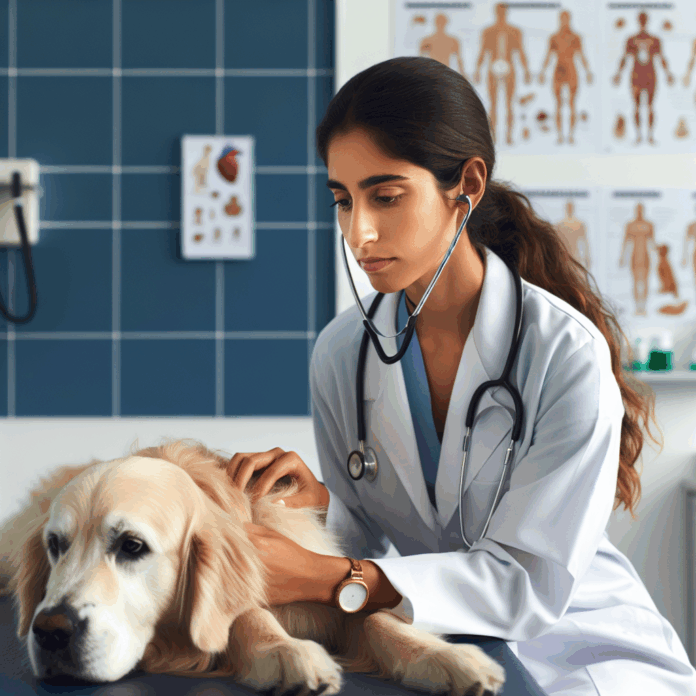
If you observe any of the signs mentioned above, it’s important to consult your veterinarian. Diagnosis typically includes a physical examination, where the vet will check the range of motion and overall mobility. X-rays are often employed to assess the hip joint’s structure and determine the severity of the dysplasia.
Treatment Options
While hip dysplasia is incurable, several treatment options can enhance your dog’s quality of life:
1. Weight Management
Maintaining a healthy weight can reduce the stress on your dog’s joints. A balanced diet, portion control, and regular exercise are key components.
2. Medication
Non-steroidal anti-inflammatory drugs (NSAIDs) can help alleviate pain and inflammation. Your vet may also recommend joint supplements containing glucosamine or chondroitin.
3. Physical Therapy
Veterinary physical therapy can strengthen the muscles surrounding the hip, improve mobility, and reduce discomfort. Techniques can include underwater treadmills, massage, and targeted exercises.
4. Surgical Interventions
In severe cases, surgical options such as a hip replacement or femoral head osteotomy (FHO) may be necessary to relieve pain and restore function.
5. Alternative Therapies
Acupuncture, laser therapy, and chiropractic care are complementary treatments that some dog owners find beneficial for pain management and mobility improvement.
Prevention Strategies
Preventing hip dysplasia is often not fully achievable due to genetic factors; however, responsible breeding practices can help. If you’re considering adding a dog to your family, research the lineage and avoid puppy mills. To further reduce the risk:
- Maintain your dog’s ideal weight.
- Provide appropriate exercise that doesn’t stress developing joints.
- Schedule regular veterinary checkups, especially for breeds prone to hip dysplasia.
FAQs about Hip Dysplasia
Q1: Is hip dysplasia painful for dogs?
Yes, hip dysplasia can be quite painful due to inflammation and joint instability. Dogs may show signs of discomfort, especially during activities like running or jumping.
Q2: Can hip dysplasia be diagnosed early?
Yes, veterinarians can diagnose hip dysplasia in young puppies through physical examination and, in some cases, X-rays. Early diagnosis can lead to more effective management strategies.
Q3: Are certain breeds more prone to hip dysplasia?
Yes, breeds such as German Shepherds, Golden Retrievers, Labradors, and Bulldogs are known to have a higher prevalence of hip dysplasia due to genetic factors.
Q4: What is the best way to manage hip dysplasia in dogs?
Management may involve a combination of maintaining a healthy weight, medication for pain relief, physical therapy, and surgical options, depending on the severity of the condition.
Q5: Can I prevent hip dysplasia in my dog?
While you cannot prevent genetic predispositions, you can take steps to mitigate risk by ensuring a balanced diet, appropriate exercise, and regular veterinary checkups.
Conclusion
Hip dysplasia is a serious condition that can significantly impact a dog’s quality of life. As dog parents, recognizing the early signs and understanding treatment options are crucial for ensuring that your furry companions remain active and happy. Regular veterinary consultations, alongside mindful management practices, can make a world of difference in maintaining a healthy, pain-free life for your dog. If you have any concerns about your pet’s health, always seek professional advice to safeguard their well-being.

