

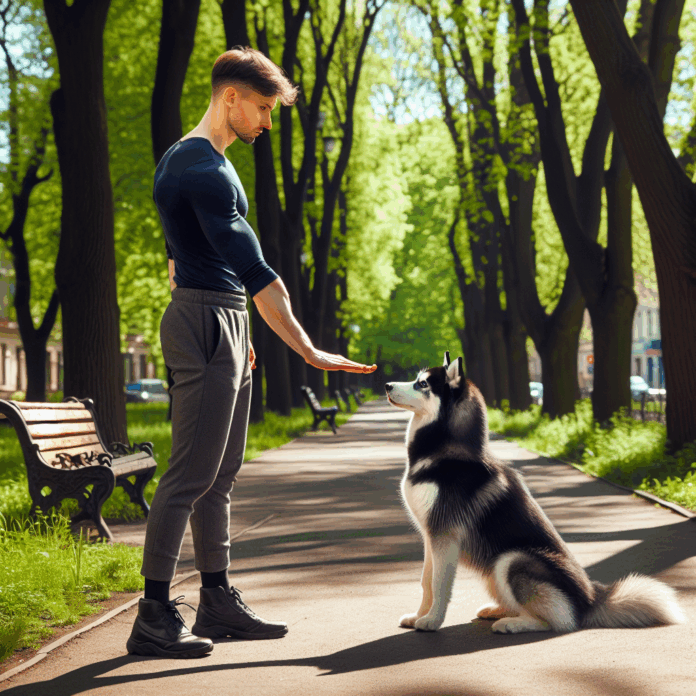
Understanding your dog’s emotions can enhance your bond and promote better behavior and training. While dogs can’t communicate verbally, they express their feelings through body language, allowing us to discern their emotional state. This article will delve into the intricate ways dogs communicate, how to interpret their signals, and why it is crucial for building a harmonious relationship with your furry friend.
The Importance of Understanding Dog Emotions
Dogs are sentient beings capable of feeling a wide range of emotions, including joy, sadness, fear, anxiety, and love. Being able to recognize and interpret these feelings can help you address their needs promptly, whether they involve comfort, play, or training. Misreading a dog’s body language can lead to misunderstandings and strained relationships, potentially resulting in behavioral problems.
Basic Body Language Signals
Tail Wagging: One of the most recognizable signals of dog emotions is tail wagging. However, not all wags are created equal. A low wagging tail often indicates submission or uncertainty, while a high, vigorous wag signals happiness or excitement.
Ears Position: Dogs’ ear positions also reveal their emotional state. Erect ears generally indicate alertness or excitement, while flattened ears suggest fear or submission.
Eyes: Dogs express emotions through their eyes. Soft, relaxed eyes signal comfort and happiness, while wide eyes may indicate fear or aggression. Averting gaze, especially in stressful situations, is a sign of submission or a desire to avoid confrontation.
Body Posture: The overall posture of a dog can give vital clues about how they feel. A confident dog may stand tall with a relaxed body. Conversely, a nervous dog may crouch low, tucking their tail, and holding their body close to the ground.
- Mouth Expressions: Dogs often use their mouths to communicate. A relaxed, slightly open mouth can indicate a happy dog, while a tightly closed mouth or growling can signal discomfort or aggression.
Recognizing Positive Emotions
Happiness: A dog that is happy will have a wagging tail, relaxed ears, and a playful posture. They may also bring toys to you or engage in play.
Excitement: An excited dog typically exhibits rapid tail wagging, jumping, and may dart around. This behavior often occurs during playtime, walks, or when greeting family members.
- Contentment: A dog that is comfortable in their environment may lay on their side with their legs stretched out. They might also snooze or stretch in a relaxed posture, indicating a sense of security.
Recognizing Negative Emotions
Fear: Fearful dogs may display various signs, including cowering, tucking their tails, and avoiding eye contact. Some dogs might hide or show aggressive behavior when scared.
Anxiety: Dogs that are anxious may pace, whine, or show destructive behavior. Their body might become tense, and they may lick their lips or yawn nervously.
Aggression: An aggressive dog will show signs like stiff posture, growling, baring teeth, and raised hackles. This is often a last resort when a dog feels cornered or threatened.
- Stress: Stress signals in dogs can include panting without exertion, excessive grooming, or seeking solitude. Stress can be caused by changes in the environment, loud noises, or unfamiliar animals.
Social Interactions and Play
Dogs are social animals and communicate not only with humans but also with other dogs. Interpreting their body language in these interactions is crucial for ensuring safe play.
Play Bowing: The play bow, where a dog lowers its front legs while keeping its rear end up, signals an invitation to play. This is a friendly gesture and usually indicates that the dog is in a good mood.
Chasing and Pouncing: In play, dogs may chase one another, pounce, or take turns being the “chaser.” Observing loose, relaxed body language indicates that the play is friendly and fun.
- Post-Play Signals: After a play session, dogs often shake off or lie down, which are signs of relaxation.
Building a Better Connection
By understanding your dog’s body language, you can learn to respond appropriately to their emotional needs and reinforce positive behaviors. Here are some approaches to build a better connection:
Observe and Reflect: Pay close attention to your dog’s body language during various scenarios, such as walks, playtime, and veterinary visits. Noting their reactions can help you discern patterns.
Positive Reinforcement: Reward your dog with treats or praise when they display calm or relaxed body language. This reinforces positive feelings and behaviors.
Create Safe Spaces: When your dog shows signs of fear or anxiety, provide a secure space where they can retreat and feel safe, like a cozy bed or a quiet room.
- Socialization: Proper socialization with other dogs and people can help your dog become more confident and reduce fear-based behaviors. Gradually introduce them to new situations and environments to build resilience.
Common Myths About Dog Emotions
While it’s essential to understand dogs as emotional beings, misconceptions persist:
Dogs Don’t Feel Emotionally Like Humans: Dogs may not process emotions the same way humans do, but they undoubtedly experience joy, fear, love, and sadness.
Tail Wagging Always Means Happiness: As mentioned earlier, not all tail wags indicate happiness. Context is crucial in interpreting this behavior.
- Dogs Are Naturally Aggressive: Aggression often stems from fear or stress. Dogs need proper training, socialization, and positive experiences to feel secure.
FAQs
Q1: Can I train my dog to communicate better?
Yes, training can help your dog learn commands and cues that facilitate communication. Positive reinforcement makes this process effective.
Q2: How can I help my anxious dog?
Create a calm environment, use desensitization techniques, and consult a veterinarian or dog behaviorist if anxiety persists.
Q3: Is it normal for a dog to have mood swings?
Yes, dogs can have varying emotional states based on their environment, daily routines, and interactions.
Q4: What should I do if my dog shows aggression?
Consult a professional dog trainer or behaviorist for personalized assessment and training recommendations.
Q5: How can I tell if my dog is happy?
Signs of a happy dog include a wagging tail, relaxed body posture, playful behaviors, and frequent engagement with you.
Recognizing and understanding your dog’s emotions through body language fosters mutual respect, love, and companionship. As every dog is unique, continued observation and a willingness to learn will lead to a deeper, more fulfilling relationship. By nurturing your bond, you will create a loving environment in which both you and your furry friend can thrive.

