
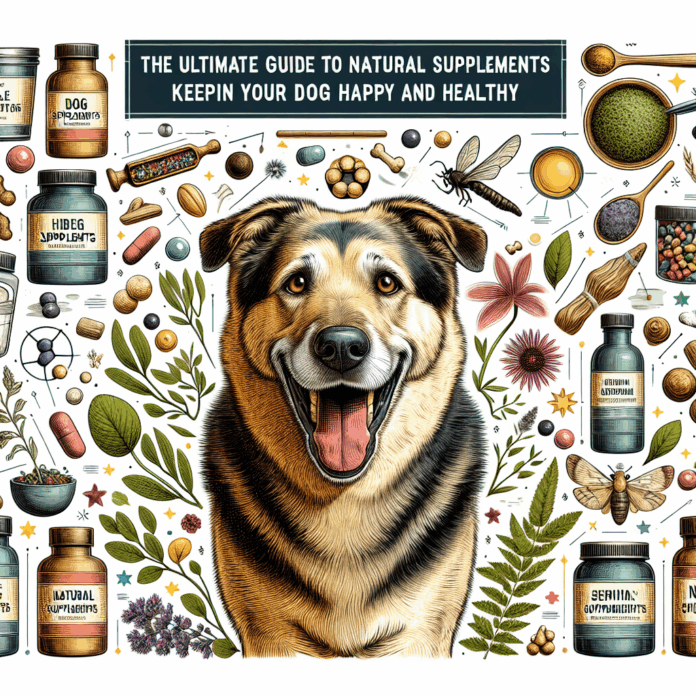
As pet owners, we always want the best for our furry companions. Just like humans, dogs can benefit significantly from a healthy diet and lifestyle. One way to enhance their well-being is through natural supplements. This guide aims to provide you with comprehensive insight into natural supplements for dogs, their benefits, types, and how to safely integrate them into your pet’s diet.
Understanding Natural Supplements
Natural supplements for dogs are derived from whole food sources and natural plants rather than synthetic compounds. These supplements can provide essential nutrients that may be lacking in a dog’s regular diet, support various health needs, and promote overall well-being.
Why Choose Natural Supplements?
- Safety: Natural supplements typically have fewer side effects than synthetic drugs, making them a safer choice for long-term use.
- Bioavailability: Natural supplements may be more easily absorbed by a dog’s body compared to synthetic alternatives.
- Nutritional benefits: Many natural supplements come loaded with vitamins, minerals, antioxidants, and essential fatty acids that can greatly improve your dog’s health.
- Holistic approach: Natural supplements often support more than just one aspect of a dog’s health, offering a more holistic approach to wellness.
Types of Natural Supplements
Natural supplements encompass a wide range of products, each serving different health purposes:
Vitamins & Minerals: Essential for various bodily functions, including immune support, energy production, and bone health.
- Vitamin E: An antioxidant that helps maintain a healthy coat and skin.
- Calcium: Essential for strong bones and teeth.
Fatty Acids: Omega-3 and Omega-6 fatty acids, commonly found in fish oil, are vital for skin, coat health, and inflammatory conditions.
Probiotics: Beneficial bacteria that enhance gut health, improve digestion, and strengthen the immune system.
Herbal Supplements: Derived from plants, these can support a variety of health issues such as anxiety, joint health, and even allergies.
- Turmeric: Known for its anti-inflammatory properties.
- Chamomile: Can soothe anxiety and promote relaxation.
Amino Acids: Building blocks of proteins that support muscle growth, energy levels, and overall health.
- Glucosamine: Often used for joint health and mobility.
- Homeopathic Remedies: Diluted substances that can stimulate the body’s natural healing processes for various conditions.
Benefits of Natural Supplements For Dogs
Using natural supplements can offer numerous health benefits, including:
- Improved Digestive Health: Probiotics and digestive enzymes can help maintain gut flora, enhancing digestion and nutrient absorption.
- Better Skin and Coat: Fatty acids and specific vitamins can improve skin conditions and promote a shiny coat.
- Joint Support: Supplements like glucosamine, chondroitin, and turmeric can alleviate arthritis symptoms and promote mobility.
- Boosted Immunity: Antioxidants and vitamins strengthen the immune system, reducing the risk of illnesses.
- Enhanced Mood and Behavior: Herbal supplements like chamomile and valerian root can help reduce anxiety and aggression in dogs.
Identifying the Right Supplements
Choosing the right supplements for your dog depends on various factors including:
- Age and Size: Puppies, adult dogs, and senior dogs may have different nutritional needs. Larger breeds might require different formulations compared to smaller breeds.
- Health Conditions: Specific health issues like allergies, arthritis, or skin problems require targeted supplementation.
- Diet: If your dog follows a particular diet (like raw or grain-free), specific supplements may be necessary to fill nutritional gaps.
Dosage and Administration
Proper dosage is critical to maximizing the benefits of natural supplements while minimizing risks. Always follow guidelines on the product label or consult your veterinarian for personalized recommendations. Supplemental forms can vary:
- Powders: Easy to mix with food.
- Chews: Palatable and enjoyable for dogs.
- Pills: Administer with treats or hidden in food.
Safety Considerations
While natural supplements can be beneficial, they are not without risks. Here are some precautions:
- Consult Your Veterinarian: Always discuss new supplements with your veterinarian, especially if your dog is on medication or has a pre-existing health condition.
- Quality Matters: Choose high-quality products from reputable brands that conduct third-party testing.
- Monitor Your Dog: Watch for any adverse reactions, such as changes in behavior, gastrointestinal upset, or allergic responses.
FAQs
1. Are natural supplements safe for all dogs?
Yes, most natural supplements are safe. However, always consult your veterinarian, especially for puppies, pregnant dogs, or those with health conditions.
2. How long does it take to see results from natural supplements?
Results can vary by supplement type and individual dog. Some may see changes within a few days, while others might take weeks to exhibit benefits.
3. Can I give my dog human supplements?
It is not advisable to give dogs human supplements without veterinarian guidance, as many human formulations can be unsafe for dogs.
4. How should I introduce supplements into my dog’s diet?
Start with a small dose, gradually increasing it while monitoring for any adverse reactions. Mixing powdered supplements with food can facilitate easier intake.
5. Are there any common side effects?
While natural supplements generally have fewer side effects than synthetic ones, some dogs may experience digestive upset, allergies, or other reactions. Monitoring your dog is vital.
6. What is the best way to store natural supplements?
Store supplements in a cool, dry place away from direct sunlight. Always follow storage instructions provided by the manufacturer.
Conclusion
Natural supplements can be a beneficial addition to your dog’s health regimen, enhancing their quality of life and longevity. By understanding the types of supplements available and how to safely incorporate them, you can help your furry friend lead a happier and healthier life. Always consult your veterinarian to tailor a supplementation plan best suited for your dog’s unique needs. Your beloved pet deserves the very best care!

