

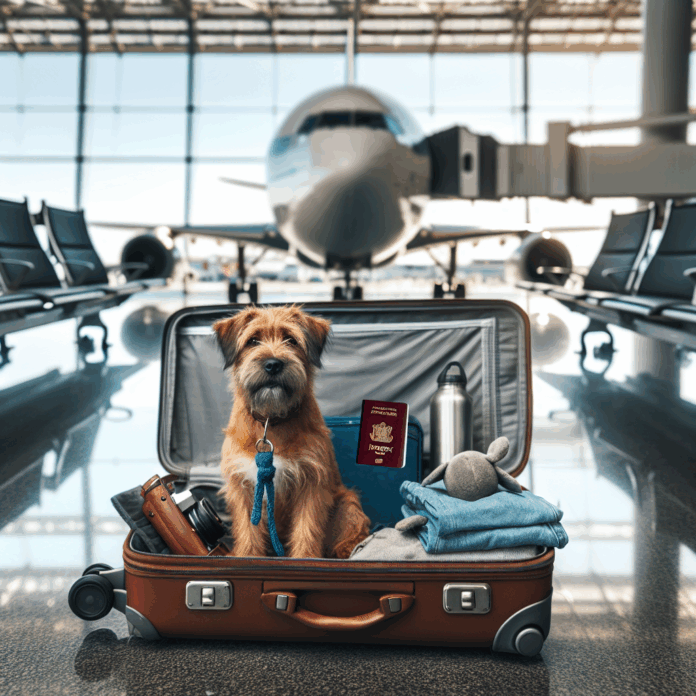
Traveling with your dog can be one of the most rewarding experiences, but it requires careful planning and the right equipment, especially when it comes to selecting a dog crate. A quality crate ensures your dog’s safety during transit, provides a comfortable resting place, and can even offer a sense of security. This article will delve into how to select the best dog crate for travel, covering various types, sizing recommendations, and features to look for.
Understanding the Types of Dog Crates
When it comes to dog crates, there are several types available, each with its advantages and disadvantages. Understanding these types can help you make an informed decision based on your travel needs.
1. Wire Crates
Wire crates are popular for their durability and ventilation. They typically come with removable trays for easy cleaning and are collapsible for easier transport. However, wire crates can be less insulated, which might be a concern if you travel to different climates.
Pros:
- Good ventilation
- Easy to clean
- Collapsible and lightweight
Cons:
- Less insulated
- May not be suitable for anxious dogs
2. Plastic Crates
Plastic crates are sturdy and provide a more enclosed environment for your dog, which may make them feel safer. They comply with many airline requirements, making them ideal for air travel. However, they can be bulkier and may not offer as much ventilation as wire crates.
Pros:
- Safe and sturdy
- Airline-compliant
- Enclosed design
Cons:
- Less ventilation
- Can be heavier
3. Soft-Sided Crates
Soft-sided crates are lightweight and portable, making them ideal for road trips and hotels. They are easy to set up and transport, but they may not be appropriate for dogs that chew or scratch.
Pros:
- Lightweight and portable
- Easy to set up
- Ideal for road trips
Cons:
- Less durable
- Not suitable for all dogs
4. Heavy-Duty Crates
For larger or more aggressive dogs, heavy-duty crates offer robust construction and security features. These crates are often made with steel and can withstand significant wear and tear. However, they are heavy and generally more expensive.
Pros:
- Extremely durable
- Secure for aggressive chewers
- Weather-resistant
Cons:
- Heavier and bulkier
- Higher price point
Size Matters: How to Choose the Right Size Crate
Selecting the right size crate is crucial for your dog’s comfort. A crate that is too small can make your dog feel cramped and anxious, while one that is too large may not provide the comforting den-like feeling dogs often seek.
Measuring Your Dog:
- Length: Measure your dog from the tip of the nose to the base of the tail.
- Height: Measure from the top of the head to the ground while standing.
- Weight: Some crates have weight limits; knowing your dog’s weight can help in making a choice.
Once you have these measurements, you can refer to the sizing charts provided by manufacturers, which typically categorize crates by breed size (small, medium, large, etc.).
General Sizing Recommendations:
- Small Breeds: 18–24 inches in length
- Medium Breeds: 24–30 inches in length
- Large Breeds: 30–36 inches in length
- Extra-Large Breeds: 36 inches and above
Key Features to Look For
1. Ventilation
Good ventilation is vital, especially for longer trips. Ensure the crate has adequate ventilation on multiple sides to keep your dog cool and comfortable.
2. Ease of Cleaning
Look for models with removable trays or easy-to-wipe surfaces. Accidents can happen, especially during travel, so ease of cleaning is crucial.
3. Security Features
Your dog’s safety is paramount. Look for crates with secure latches to prevent escape, especially if you’re traveling through busy areas.
4. Portability
If you’re planning on moving or using the crate regularly, portability is essential. Crates that collapse or have wheels can make travel much easier.
5. Comfort
Adding a soft bedding material or a blanket can significantly enhance your dog’s comfort. Some crates also come with padded interiors.
6. Weather Resistance
If you’re traveling to varying climates, consider a crate that offers weather-resistant features, such as insulation or water resistance.
Brand Recommendations
When selecting a crate, it can also be helpful to consider reputable brands known for their quality and safety standards. Some commonly recommended brands include:
- Petmate
- MidWest Homes for Pets
- AmazonBasics
- Variocage
Researching reviews from other pet owners can provide insights into the experiences they’ve had with specific models.
Traveling with a Crate: Tips and Best Practices
1. Familiarize Your Dog with the Crate
Before travel, allow your dog to explore the crate. Place treats or toys inside to create a positive association.
2. Take Breaks During Road Trips
When traveling long distances, plan for breaks every few hours to allow your dog to stretch, relieve itself, and drink water.
3. Hydration
Ensure that your dog has access to fresh water, especially during hot weather. Specialized water bowls that attach to crates can be quite beneficial.
4. Exercise
Give your dog plenty of exercise before a long trip. A tired dog is more likely to stay calm and relaxed in their crate.
5. Monitor Your Pet
If possible, use a crate with a division panel to adjust space as your dog grows or change setup for short vs. long trips.
FAQs
Q1: Can I use a dog crate for car travel?
Yes, dog crates can provide a safe way to transport your dog in a car. Ensure the crate is secured to prevent movement during travel.
Q2: Are soft-sided crates suitable for all dogs?
Soft-sided crates are ideal for calm dogs and smaller breeds but may not be suitable for aggressive chewers or larger breeds.
Q3: How do I make my dog comfortable in a crate?
Use soft bedding, add a favorite toy, and ensure the crate is ventilated. Spend time acclimating your dog to the crate before travel.
Q4: What if my dog gets anxious in the crate?
Consult with your veterinarian for calming products or behavior modification strategies if your dog shows anxiety when crated.
Q5: Do airlines have specific requirements for pet crates?
Yes, each airline has its own guidelines regarding pet crates. Always check with the airline before travel for their specific requirements.
Q6: How do I clean the crate after my dog has an accident?
Use an enzymatic cleaner to eliminate odors and bacteria. Remove all bedding and wash it, then ensure the crate is completely dry before using it again.
Conclusion
Selecting the best dog crate for travel involves understanding your dog’s needs and preferences, as well as the type of travel you will be undertaking. By keeping in mind the various types of crates, their sizing, and vital features, you can ensure a stress-free and comfortable journey for you and your canine companion. Whether you’re embarking on a road trip or flying to a new destination, a well-chosen crate will make all the difference. Safe travels!

