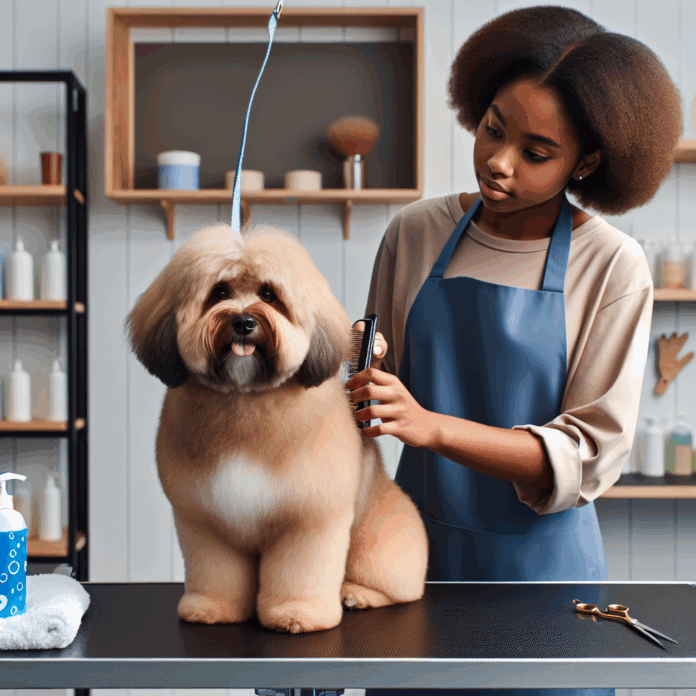
Grooming your dog is an essential aspect of responsible pet ownership that plays a vital role in their overall health and well-being. Different breeds have unique grooming needs owing to their specific coat types, skin conditions, and physical characteristics. In this guide, we’ll explore the grooming essentials tailored to various popular dog breeds, from the elegant Poodle to the robust Bulldog, ensuring that every pet parent is equipped with the knowledge they need to keep their canine companions looking and feeling their best.
Understanding Dog Breeds and Grooming Needs
Breeds are classified based on their size, purpose, and coat type. Depending on these factors, grooming regimens may significantly differ. Let’s take a closer look at common breeds and what grooming tools and techniques suit them best.
1. Poodles: The High-Maintenance Elegance
Poodles come in three sizes – standard, miniature, and toy – all of which have a dense, curly coat. Their sleek and elegant appearance is accompanied by high grooming demands.
Grooming Essentials:
- Frequency: Every 4 to 6 weeks, or as needed.
- Tools: Slicker brush, comb, and grooming clippers.
- Techniques: Regularly brushing to prevent matting, and using clippers for a neat trim around the face, paws, and body.
Tips: Poodles require a bathing regimen that balances skin moisture to avoid dryness. Look for shampoos formulated for curly coats.
2. Golden Retrievers: The Friendly Family Dog
Golden Retrievers are known for their friendly demeanor and beautiful golden coats. Their grooming needs are moderate but require regular attention.
Grooming Essentials:
- Frequency: Every 6 to 8 weeks, with weekly brushing.
- Tools: Deshedding tool, slicker brush, and nail clippers.
- Techniques: Focus on the undercoat, especially during shedding season, and regular nail trimming.
Tips: Use a conditioner to maintain their coat’s shine and prevent tangles, particularly in areas like behind the ears.
3. Bulldogs: The Low-Maintenance Charmers
Bulldogs have short coats that require minimal grooming. However, they possess unique care needs related to their skin folds and wrinkles.
Grooming Essentials:
- Frequency: Every 4 to 6 weeks.
- Tools: Rubber brush, wipes for skin folds, and nail clippers.
- Techniques: Regular brushing to remove loose hairs and dirt, and cleaning between their skin folds to prevent infections.
Tips: Be cautious about bathing too frequently, which can lead to skin dryness. Consider using a moisturizing shampoo.
4. Dachshunds: The Long-Haired Lapdogs
Dachshunds come in various coat types – smooth, long-haired, and wire-haired. Each type requires different grooming attention.
Grooming Essentials:
- Frequency: Smooth coats require weekly brushing, while long-haired may need bi-weekly.
- Tools: Bristle brush for smooth coats, slicker brush for long-haired ones.
- Techniques: Regular brushing to prevent tangling and matting, particularly for long-haired varieties.
Tips: Be aware of their ears, brushing them out carefully and routinely cleaning them to prevent wax build-up.
5. Boxers: The Athletic Companions
Boxers have short, smooth coats that shed moderately, requiring less grooming compared to other breeds.
Grooming Essentials:
- Frequency: Monthly brushing.
- Tools: Rubber grooming mitt or bristle brush.
- Techniques: Gentle brushing to remove dead hair and stimulate skin oils.
Tips: Check their ears for wax and clean as needed, focusing on their dental hygiene to prevent gum disease.
6. Shih Tzus: The Regal Lapdogs
Shih Tzus have long, flowing hair that requires consistent grooming to remain healthy and free of mats.
Grooming Essentials:
- Frequency: Every 4 to 6 weeks with daily brushing.
- Tools: Slicker brush, comb, and trimming scissors.
- Techniques: Focus deeply on their undercoat and between the eye folds.
Tips: Their face hair may require regular trimming to ensure they can see clearly and eat without obstruction.
General Grooming Tips
Regardless of the breed, here are essential grooming best practices:
- Creating a Routine: Establish a grooming routine that fosters comfort for your dog and enjoyment for you.
- Socialization: Use grooming sessions to bond with your dog; praise and treats can help them enjoy the process.
- Early Introductions: Introduce grooming to puppies early on to familiarize them with brushes, clippers, and baths.
- Monitor Skin Health: Always keep an eye out for signs of skin issues, such as redness, irritation, or unusual odors.
FAQs About Dog Grooming
1. How often should I groom my dog?
The frequency of grooming varies by breed and coat type. Generally, long-haired or double-coated dogs may need more frequent grooming compared to short-haired breeds.
2. What are the common grooming tools?
Essential tools typically include brushes (slicker, bristle, or deshedding), combs, grooming clippers, nail clippers, and shampoos specific to your dog’s coat type.
3. Can I groom my dog at home?
Yes! Many dog owners choose to groom their pets at home. However, for breeds requiring specialized cuts or those with matted coats, professional grooming may be beneficial occasionally.
4. How can I make grooming easier for my dog?
Make grooming sessions a positive experience by introducing it gradually, using treats, and maintaining a calm environment. Regular grooming will help your dog adjust and reduce anxiety over time.
5. What should I do if my dog’s coat is matted?
For minor mats, use a slicker brush to gently work through them. For severe mats, it may be best to consult with a professional groomer to avoid hurting your dog.
6. How do I care for my dog’s nails?
Regular nail trimming is crucial. Use a good quality nail clipper and aim to cut the nail just above the quick (which is pink in light-colored nails). If unsure, consult your vet or a groomer.
Conclusion
Dog grooming is not just about aesthetics; it’s a crucial part of keeping your dog healthy, comfortable, and happy. By understanding the specific grooming needs of different breeds, pet owners can create effective and enjoyable grooming routines. Whether you have a Poodle with a pampered appearance or a Bulldog with a minimalistic coat, mastering grooming techniques tailored to your dog’s breed ensures their well-being and strengthens the bond between you and your furry friend. Happy grooming!

