

Tick Trouble? Expert Tips for Quick and Safe Dog Tick Removal
Ticks can be a significant concern for dog owners, especially in warmer months or in areas known for tick infestations. Not only can these parasites cause discomfort for your canine companion, but they can also transmit various diseases, some of which can be serious or even life-threatening. As such, understanding how to safely and effectively remove ticks from your dog is crucial. In this article, we will explore the best practices for quick and safe dog tick removal, along with tips for prevention and care.
Understanding Ticks and the Risks They Pose
Ticks are small arachnids that feed on the blood of mammals, birds, and sometimes reptiles. There are several species of ticks, and they can be found in wooded areas, grassy fields, and even some urban environments. Some of the most common tick species affecting dogs include:
- Deer Ticks (Black-legged Ticks): These ticks can transmit Lyme disease, a serious illness that affects both dogs and humans.
- American Dog Ticks: Known to carry Rocky Mountain spotted fever and tularemia.
- Brown Dog Ticks: Often found indoors and can transmit diseases such as ehrlichiosis.
When a tick attaches itself to your dog, it can remain attached for days while feeding. The longer it stays, the greater the risk of disease transmission.
How to Identify a Tick on Your Dog
Before you can remove a tick, you must know how to identify one. Ticks can vary in size, shape, and color, but some common identifying features include:
- Size: Ticks can range from the size of a pinhead to as large as a marble when fully engorged.
- Appearance: They usually have a flat, oval shape and are often brown or black.
- Behavior: Ticks tend to attach in warm, hidden areas of your dog’s body, such as around the ears, between the toes, under the tail, and in the groin area.
Expert Tips for Safe Tick Removal
Gather Your Supplies: Before you start, gather the following materials:
- Fine-tipped tweezers or a tick removal tool.
- Gloves to minimize direct skin contact.
- A small container with a lid (for tick disposal).
- Antiseptic or rubbing alcohol.
- Treats to reward your dog post-removal.
Stay Calm and Comfort Your Dog: It’s essential to keep your dog calm during the tick removal process. Speak to them reassuringly and have a partner hold your pet still if necessary.
Use the Right Tools: Fine-tipped tweezers are generally the safest tools for tick removal. If you have a dedicated tick removal tool, that’s even better.
Grasp the Tick Carefully: Use the tweezers or tool to grasp the tick as close to your dog’s skin as possible. Be careful not to pinch your dog’s skin.
Pull Straight Out: Without twisting or jerking, pull the tick straight out with steady pressure. This minimizes the risk of leaving any parts of the tick embedded in your dog’s skin, which can cause infection.
Dispose of the Tick Properly: Place the removed tick in the container and add a little rubbing alcohol to kill it. This also preserves the tick if you need to take it to the veterinarian for identification.
Clean the Area: After removing the tick, clean the area around the bite with antiseptic or rubbing alcohol to prevent infection.
- Monitor Your Dog: Keep an eye on the bite area for signs of infection or irritation over the next few days. Watch for symptoms such as lethargy, loss of appetite, or unusual behavior, as these may indicate illness.
Prevention Tips
The best way to deal with ticks is to prevent them in the first place. Here are some effective strategies for keeping ticks at bay:
Regularly Check Your Dog: After walks in wooded or grassy areas, inspect your dog for ticks. Early detection can make removal much easier.
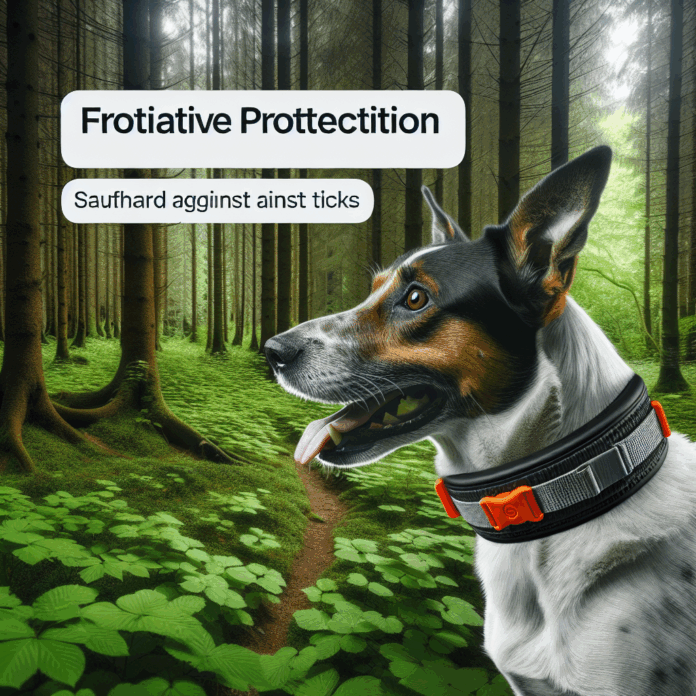
Use Tick Prevention Products: Consider using veterinary-approved tick prevention treatments, such as topical solutions, collars, or oral medications.
Maintain Your Yard: Keep your yard clean and well-manicured. Regularly mowing the lawn, removing leaf litter, and keeping shrubs trimmed can reduce tick habitats.
Limit Outdoor Time in Tick Season: During peak tick season, limit your dog’s exposure to areas where ticks are prevalent.
- Consult Your Veterinarian: Talk to your vet about the best tick prevention strategies for your dog’s specific breed and lifestyle.
FAQs about Dog Tick Removal
Q: How soon should I remove a tick from my dog?
A: Remove a tick as soon as you spot it. The longer the tick is attached, the higher the risk of disease transmission.
Q: Can I use home remedies for tick removal?
A: It is best to use tweezers or a tick removal tool. Home remedies, like using petroleum jelly or alcohol, aren’t reliable methods and can result in the tick’s body being left behind.
Q: What if a part of the tick breaks off during removal?
A: If part of the tick breaks off and remains in the skin, it may cause infection. Consult with your veterinarian for proper treatment.
Q: How often should I check for ticks?
A: Check your dog for ticks after every outdoor outing, especially in known tick habitats.
Q: Can ticks transmit diseases to humans?
A: Yes, ticks can transmit various diseases to humans, including Lyme disease and Rocky Mountain spotted fever, so it’s important to be cautious.
Conclusion
Dealing with ticks can be a daunting task for any dog owner, but with the right knowledge and tools, you can ensure the safe removal of ticks and reduce your dog’s risk of tick-borne illnesses. Remember to practice preventative measures and consult your veterinarian for advice tailored to your dog’s needs. Whether it’s enjoying a hike or lounging in the backyard, you can ensure your canine companion stays healthy and happy.

