

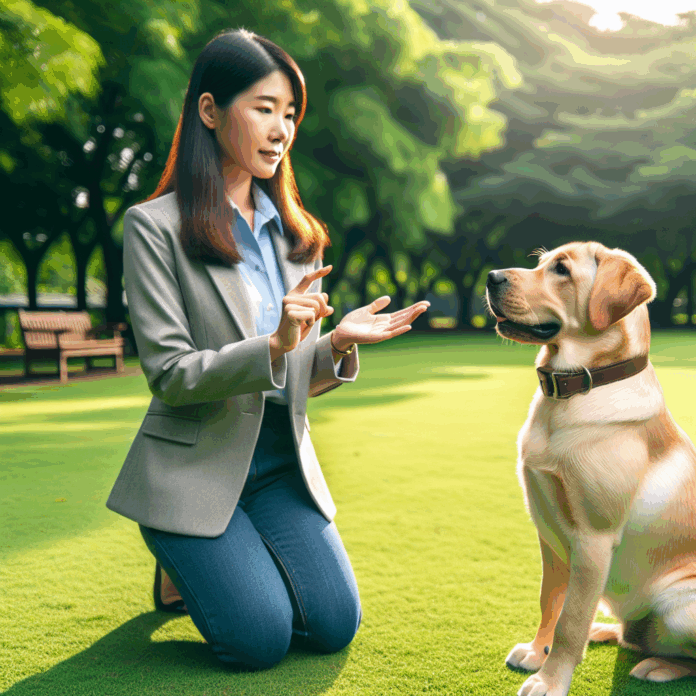
Aggression in dogs is a multifaceted behavior that can stem from various causes. Understanding aggression is crucial, not just for training purposes, but also for fostering a safe environment for both dogs and people. This comprehensive guide will delve into the different forms of aggression, the underlying causes, training strategies, and tips to manage and redirect aggressive behavior.
Types of Aggression
Fear Aggression: This type arises when a dog feels threatened or fearful. A frightened dog may react aggressively to protect themselves. Signs include growling, barking, or snapping.
Territorial Aggression: Dogs tend to be territorial, particularly around their home or possessions. They may become aggressive when strangers approach their territory, looking to protect their space.
Protective Aggression: This behavior often manifests when a dog feels the need to protect a family member. It can occur with children or when a dog perceives a person in danger.
Play Aggression: Sometimes misinterpreted as aggression, play aggression can occur during play sessions when a dog gets overly excited or finds the gameplay too stimulating. This typically involves barking, jumping, and some nipping.
Redirected Aggression: This occurs when a dog, unable to reach the source of its agitation (another animal or a person), redirects its energy towards another target, often resulting in unexpected aggression.
- Frustration-Induced Aggression: Dogs may exhibit aggression when kept on a leash or confined in a space where they cannot reach their desired target, leading to signals of frustration and subsequent aggressive behavior.
Underlying Causes of Aggression
Understanding the root causes of aggression is essential for effective training. Several factors can contribute to aggressive behavior in dogs:
Genetics: Some breeds have predispositions towards aggressive behaviors. For instance, guarding breeds may show increased territorial behavior.
Socialization: Lack of proper socialization during a puppy’s formative months can lead to fear and aggression towards unfamiliar people, animals, or situations.
Traumatic Experiences: Dogs that have faced abuse or trauma may develop fear-based aggression. Past experiences can shape a dog’s reactions to new experiences.
Pain or Illness: Dogs in pain may react aggressively when touched or approached. Health issues should be ruled out if aggression suddenly manifests.
- Lack of Training: Dogs that do not receive proper training may exhibit unwanted behaviors, including aggression. Clear communication and structure are crucial.
Training Strategies for Managing Aggression
Training to manage and redirect aggression involves several strategies that vary based on the type and underlying cause of aggression.
1. Desensitization and Counter-Conditioning
These techniques involve gradually introducing a dog to stimuli that trigger aggressive behavior while rewarding calm behavior. For example, if a dog reacts aggressively to other dogs, start with a controlled environment where they can see another dog from a distance. Gradually decrease the distance, rewarding calm behavior with treats or praise.
2. Positive Reinforcement Training
Utilizing positive reinforcement techniques encourages desirable behavior. Reward good behavior consistently to reinforce what you want to see more of. Punishment can exacerbate aggression, so avoid negative reinforcements.
3. Controlled Exposure
Controlled exposure to triggers can help desensitize a dog to situations that typically lead to aggression. It’s crucial to manage the environment and progressively expose them to their triggers without overwhelming them.
4. Training Commands
Teaching commands such as ‘sit,’ ‘stay,’ and ‘leave it’ can create structure and allow for better control in potentially aggressive situations. This can enhance your ability to redirect your dog’s focus during triggers.
5. Consulting a Professional
If aggression is severe, consulting a certified dog trainer or animal behaviorist is highly recommended. Professionals can provide tailored guidance and strategies based on your dog’s specific needs.
Tips for Managing Aggressive Behavior
Stay Calm: Your demeanor matters. If you become anxious or fearful, your dog may sense this and react more aggressively. Maintaining a calm demeanor helps soothe your dog.
Avoid Confrontation: If you know your dog reacts aggressively to certain stimuli, avoid exposing them to those triggers without proper training and management.
Provide Safe Spaces: Create a safe environment with a designated area where your dog can retreat when feeling overwhelmed.
Regular Exercise: Providing physical activity and mental stimulation can reduce pent-up energy that may contribute to aggression. A tired dog is generally a well-behaved dog.
- Skilled Training Classes: Enrolling your dog in structured obedience classes can help socialize them and foster better behavior through professional guidance.
FAQs
1. What should I do if my dog shows aggression?
Remain calm and avoid confrontational behavior. It’s essential to identify triggers and manage your dog’s environment to prevent aggressive encounters. If in doubt, consult a professional trainer or behaviorist.
2. Can aggressive behavior be trained out of a dog?
Yes, with the right strategies and training methods, many dogs can learn to manage their aggression. However, it may take time and effort, and not all aggressive behavior can be eliminated completely.
3. Is aggression more common in certain breeds?
Certain breeds, especially those bred for guarding or herding, may exhibit more aggressive behaviors. However, individual temperament, socialization, and training play significant roles in behavior.
4. Can health issues cause aggressive behavior?
Yes, pain or illness can lead to aggressive behavior. If your dog starts showing aggression suddenly, it’s advisable to consult a veterinarian to rule out any health issues.
5. Is it safe to have an aggressive dog around children?
Caution is vital. If a dog has a history of aggression, close supervision is necessary when they are around children. Training and management strategies should be in place to mitigate risks.
6. How long does it take to see results from aggression training?
The timeline varies based on numerous factors, including the dog’s past experiences, the severity of the aggression, and the training consistency. Some dogs may show improvement quickly, while others may take weeks or months.
Conclusion
Understanding and managing dog aggression requires patience, knowledge, and effort. By recognizing the types and causes of aggression, implementing effective training strategies, and creating a supportive environment, dog owners can help foster positive behavior and improve the overall relationship with their pets. Always remember that seeking professional help when needed can lead to better outcomes and a safer home for everyone involved.

