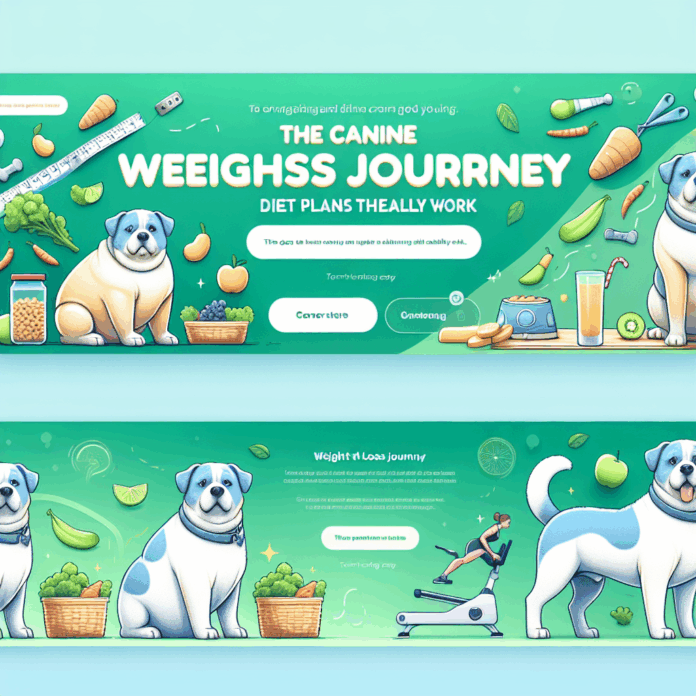
Maintaining a healthy weight is crucial for the overall well-being of our canine companions. Obesity in dogs can lead to various health problems, including diabetes, joint issues, and cardiovascular diseases. As pet owners, it’s our responsibility to ensure our furry friends live their best lives, which starts with healthy eating habits. In this article, we will explore effective diet plans for weight loss and practical tips for implementing them, along with a Frequently Asked Questions (FAQs) section at the end.
Understanding Canine Obesity
Before diving into diet plans, it’s essential to understand what constitutes canine obesity. A dog is considered obese when its weight is 20% or more above the ideal weight for its breed and size. Several factors contribute to obesity, including:
- Overfeeding: Many pet owners struggle with portion control, often rewarding their dogs with treats or extra food.
- Lack of Exercise: A sedentary lifestyle can lead to weight gain. Dogs require regular physical activity to maintain their weight.
- Breed Predispositions: Certain breeds are more prone to obesity, while others may have slower metabolisms.
Recognizing these factors can help you create a tailored weight loss plan for your dog.
Step 1: Consult Your Veterinarian
Before starting any weight loss plan, it’s crucial to consult your veterinarian. They will assess your dog’s health status, rule out any underlying medical conditions, and recommend an ideal weight range. Your vet can also help you craft a comprehensive weight loss strategy that may include:
- Caloric Intake: Understanding the calories your dog needs based on their age, breed, and lifestyle.
- Dietary Changes: Suggesting premium weight-loss dog foods or homemade meal plans.
Step 2: Choose the Right Diet Plan
There are various dieting approaches to consider for your dog’s weight-loss journey. Each dog is unique, so tailor the plan to fit their specific needs:
1. Commercial Weight Loss Dog Food
Many brands offer special formulations designed specifically for weight control. These foods are usually lower in calories while still providing essential nutrients. When choosing a commercial weight loss dog food, look for:
- High Fiber Content: Helps dogs feel full without adding calories.
- Quality Proteins: Keep muscle mass while losing fat.
- No Fillers: Avoid ingredients like corn or wheat that provide empty calories.
2. Home-Cooked Meals
If you prefer to cook for your dog, prepare balanced meals using lean proteins, healthy grains, and lots of vegetables. Here’s a simple guide to building a home-cooked diet:
- Proteins: Incorporate skinless chicken, turkey, fish, or lean beef.
- Carbohydrates: Include brown rice, quinoa, or sweet potatoes in moderation.
- Vegetables: Broccoli, green beans, and carrots are excellent low-calorie choices.
Always consult with a vet or a pet nutritionist to ensure that homemade meals are nutritionally complete.
3. Portion Control
No matter what diet plan you choose, portion control is essential. Use measuring cups to avoid overfeeding. It may also help to:
- Split daily meals into smaller, more frequent portions.
- Limit treats to no more than 10% of your dog’s daily caloric intake.
4. Weight Management Treats
Swap regular treats for low-calorie alternatives like carrot slices, green beans, or commercially available low-fat dog treats. Keep these treats to a minimum and use them strategically to reinforce good behavior while not contributing significantly to calorie counts.
Step 3: Incorporate Exercise
Diet alone is often not enough; regular exercise is a critical component. Depending on your dog’s current activity level and breed, you can introduce:
- Walks: Aim for at least 30 minutes of walking daily. This can be split into two shorter sessions.
- Playtime: Engage in interactive play, such as fetch or tug-of-war.
- Mental Stimulation: Puzzle toys and scent games can keep your dog mentally engaged and help burn off extra energy.
Start slow and gradually increase the duration and intensity of exercises based on your dog’s fitness level.
Step 4: Monitor Progress
Track your dog’s weight regularly to monitor progress. Weigh them weekly or bi-weekly, adjusting their diet and exercise regimen as needed. Keeping a journal to log meals, snacks, exercise, and weight can help maintain accountability.
Step 5: Be Patient and Consistent
Weight loss, much like in humans, takes time. Aim for a gradual weight loss—typically around 1-2% of your dog’s body weight per week. This slow approach minimizes health risks and increases the likelihood of keeping the weight off. Celebrate small victories, and keep your dog motivated with praise and affection.
FAQs
Why is weight loss important for dogs?
Weight loss is crucial for preventing obesity-related health issues, enhancing mobility, and improving the overall quality of life.
How do I know if my dog is overweight?
You can assess your dog’s weight by conducting a body condition score. Generally, you should be able to feel your dog’s ribs without excessive fat covering, and you should see a waist when viewed from above.
How many calories should my dog consume for weight loss?
The caloric intake can vary widely based on breed, age, and activity level. Typically, weight loss diets suggest a reduction of 20% from your dog’s normal intake. Consult your vet for a personalized recommendation.
Can I give my dog treats while on a diet?
Yes, but limit treats to no more than 10% of your dog’s daily caloric intake. Opt for low-calorie or healthy alternatives.
How long does it take for dogs to lose weight?
Weight loss should be gradual. A healthy rate is about 1-2% of body weight per week. Consistency and patience are key.
What if my dog refuses to eat their new diet?
Transition your dog slowly over a week or more by mixing their current food with the new diet to avoid digestive issues. Gradually increase the proportion of the new food until they adapt.
Conclusion
Embarking on your dog’s weight loss journey requires effort, patience, and commitment. Implementing a structured meal plan, ensuring adequate exercise, and monitoring progress can lead to significant health improvements for your furry friend. Consult with your veterinarian to tailor a plan that is both effective and safe, allowing your dog to live a longer, healthier life. Remember, supporting your canine companion on this journey is not just about weight; it’s about enhancing their overall quality of life and ensuring they remain an active part of your family for years to come.

