

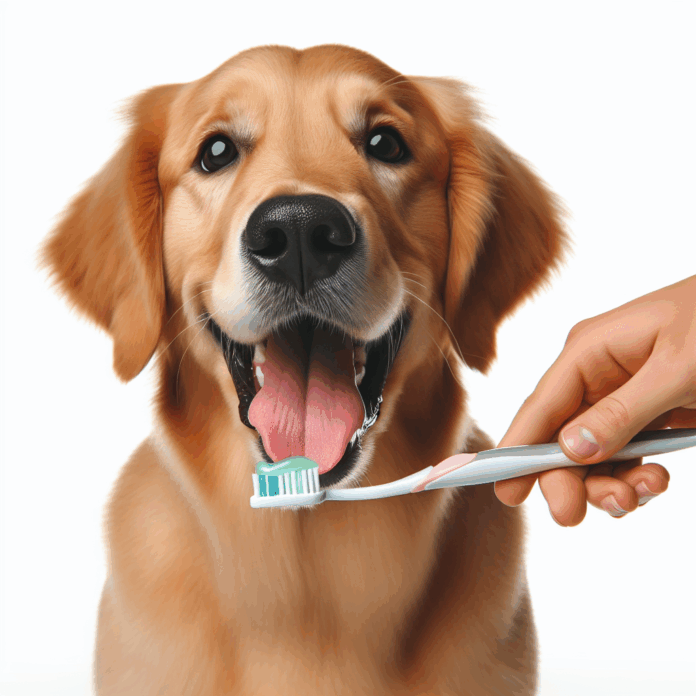
Just like humans, dogs are prone to dental diseases that can significantly impact their health and quality of life. As pet owners, it’s essential to be aware of the signs and symptoms of dental disease, as well as the prevention and treatment options available. This article will delve into the various aspects of dental disease in dogs, ensuring you have the knowledge needed to keep your furry friend’s mouth healthy.
The Importance of Dental Health in Dogs
Dental health is a critical component of overall well-being in dogs. Poor dental hygiene can lead to a host of problems, including gum disease, tooth loss, and even systemic issues affecting the heart, liver, and kidneys. It’s estimated that by the age of three, around 80% of dogs will show some form of periodontal disease, often due to plaque buildup.
Plaque Formation: Plaque is a sticky film of bacteria that forms on the teeth when food particles combine with saliva. If not removed through regular brushing and dental care, plaque hardens into tartar, leading to gum inflammation and periodontal disease.
Signs and Symptoms of Dental Disease
Recognizing the early signs of dental disease can make a significant difference in your dog’s health. Here are some common indicators:
1. Bad Breath (Halitosis)
One of the most noticeable signs of dental disease is bad breath. While it’s normal for dogs to have a slight odor, a foul smell can indicate the presence of plaque or tartar buildup, which leads to gum disease.
2. Red or Swollen Gums
Healthy gums should be a pale pink color. If you notice redness or swelling, your dog may be experiencing gingivitis, the first stage of gum disease.
3. Excessive Drooling
While drooling is common in many dogs, excessive drooling can signal dental problems. This may be due to pain in the mouth or difficulty eating.
4. Difficulty Eating or Chewing
If your dog is reluctant to eat, seems to favor one side of their mouth, or drops food from their mouth, it may indicate dental pain or discomfort.
5. Loose or Missing Teeth
Loose or missing teeth are significant signs of dental disease. This can result from severe periodontal disease, which can destroy the support structures of the teeth.
6. Behavioral Changes
If your dog becomes irritable or shows signs of discomfort when their mouth is touched, it may be due to dental pain. Changes in behavior, such as increased aggression or withdrawal, can also be indicators.
Types of Dental Diseases in Dogs
Understanding the various types of dental diseases can help in recognizing early signs and taking appropriate action.
1. Gingivitis
This is the initial stage of gum disease, characterized by inflammation of the gums. If caught early, gingivitis can often be reversed with proper dental care.
2. Periodontitis
If gingivitis progresses, it can lead to periodontitis, a more severe condition that affects the bone supporting the teeth. This stage can result in tooth loss and requires more intensive treatment.
3. Tooth Resorption
This uncommon condition occurs when a dog’s body begins to dissolve its own teeth. It is often asymptomatic until the later stages, making it crucial for regular veterinary check-ups.
4. Oral Tumors
While less common, oral tumors can occur in dogs and may present as swelling in the mouth or changes in chewing. Any growth in the oral cavity should be assessed by a veterinarian.
Prevention Strategies
Preventing dental disease is critical for maintaining your dog’s oral and overall health. Here are some effective strategies:
1. Regular Brushing
Brushing your dog’s teeth at least two to three times a week can significantly reduce plaque buildup. Use a toothbrush and toothpaste specifically designed for dogs.
2. Dental Chews
Certain dental chews and toys can help reduce plaque and tartar. Look for products approved by veterinary dental organizations.
3. Professional Dental Cleanings
Annual veterinary dental cleanings are essential for maintaining your dog’s oral health. A veterinarian can remove tartar buildup and assess any underlying issues.
4. Healthy Diet
Feeding a balanced diet can also contribute to better dental health. Some kibble is specially formulated to reduce plaque and tartar.
5. Regular Vet Visits
Routine veterinary check-ups, including dental exams, can help catch any early signs of dental disease. Your veterinarian can provide advice tailored to your dog’s specific needs.
Treatment Options
If your dog is diagnosed with dental disease, various treatment options are available:
1. Dental Cleaning
Professional cleaning involves anesthetizing your dog to allow for a thorough scaling of teeth and gums. This procedure removes plaque and tartar and helps identify any dental issues.
2. Extractions
In cases of severe periodontal disease or tooth resorption, extractions may be necessary. Your veterinarian will determine the best course of action based on the severity of the condition.
3. Antibiotics or Pain Relief
If your dog has an infection or significant pain, your veterinarian may prescribe antibiotics and pain relief medications to manage discomfort.
FAQs
Q1: How often should I brush my dog’s teeth?
Answer: Ideally, you should brush your dog’s teeth daily. If that’s not feasible, aim for at least two to three times a week.
Q2: What are the best dental chews for dogs?
Answer: Look for dental chews that have the Veterinary Oral Health Council (VOHC) seal of approval, as these products are proven to help reduce plaque and tartar.
Q3: Can dental disease affect my dog’s overall health?
Answer: Yes, dental disease can lead to more serious health issues, including heart, liver, and kidney problems due to bacteria entering the bloodstream from the mouth.
Q4: When should I start dental care for my puppy?
Answer: Dental care should start early. Introduce tooth brushing as soon as your puppy has a full set of teeth, typically around six months of age.
Q5: What signs indicate my dog needs to see a vet for dental issues?
Answer: Signs such as bad breath, swollen gums, difficulty eating, or any noticeable change in behavior should prompt a veterinary visit.
Conclusion
Understanding dental disease in dogs is crucial for ensuring your pet’s happiness and longevity. By recognizing the signs and symptoms, practicing preventive measures, and seeking appropriate veterinary care, you can contribute significantly to your dog’s oral health. Don’t ignore the signs—taking proactive steps can lead to a healthier, happier life for your furry companion.

