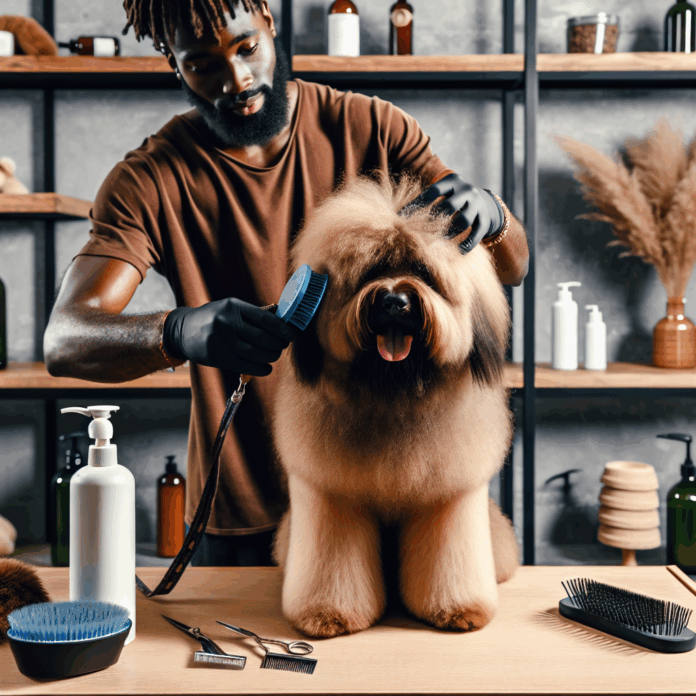
Grooming your dog is essential for maintaining their health and happiness. Regular grooming not only keeps your dog looking their best but also helps identify potential health issues early on. However, many dog owners may feel overwhelmed by the variety of grooming tools available on the market. This article aims to demystify the grooming process and provide expert-recommended tools that can help you groom your furry friend like a pro.
Understanding the Importance of Dog Grooming
Grooming is not simply about aesthetics; it’s crucial for your dog’s overall health. Here are some key benefits:
Skin Health: Regular brushing removes dead hair and skin cells, preventing matting and allowing for better air circulation to the skin.
Early Detection of Health Issues: Regular grooming can help you notice lumps, bumps, or skin irritations early on.
Nail Trimming: Long nails can cause pain and lead to uneven walking, which can affect your dog’s joints.
- Bonding Time: Grooming provides an excellent opportunity for you to bond with your pet, making them more comfortable with touch and handling.
Essential Grooming Tools for Different Dog Breeds
Grooming needs can vary significantly depending on your dog’s breed. Here are some expert-recommended grooming tools tailored for different types of coats:
1. Brushes and Combs
Slicker Brush: Ideal for long-haired breeds, slicker brushes effectively remove tangles and loose hair. They have fine wires that can penetrate the coat without pulling too hard on the skin.
Bristle Brush: Best for short-haired dogs, bristle brushes help distribute natural oils, giving the coat a healthy shine.
- Undercoat Rake: Perfect for breeds with a thick undercoat, these rakes help remove loose hair that can otherwise accumulate and cause matting.
2. Clippers and Scissors
Dog Clippers: Invest in high-quality clippers that come with various blade attachments to accommodate different coat lengths. Brands like Andis and Wahl are popular among professionals.
- Scissors: For touch-ups around sensitive areas like the eyes and ears, grooming scissors with rounded tips are essential to avoid accidents.
3. Nail Care
Nail Clippers: There are two main types—guillotine-style and scissors-style. Both can be effective, but guillotine-style is generally easier for beginners.
- Nail Grinder: For a smoother finish and to avoid splitting the nail, a nail grinder can be a great alternative to traditional clippers.
4. Bathing Supplies
Dog Shampoo: Look for a shampoo formulated specifically for dogs. Avoid human shampoos, as they can disrupt the natural skin pH. Brands like Earthbath and Pet Head offer great options.
Conditioner: For dogs with long or curly hair, a good conditioner can help prevent tangles and leave the coat soft and manageable.
- Dog Towels: Fast-drying, superabsorbent dog towels can make the post-bath process easier and cleaner.
5. Ear and Teeth Care
Ear Cleaner: Regular cleaning helps prevent infections. Choose gentle, dog-safe ear cleaning solutions.
- Dog Toothbrush and Toothpaste: Dental health is critical for your dog’s overall well-being. Use a toothbrush designed for dogs and toothpaste formulated specifically for pets.
Setting Up a Grooming Routine
Creating a grooming schedule is vital for maintaining your dog’s coat and overall health. Here’s a simple routine you can follow:
- Daily: Brush your dog, especially if they have a long or thick coat.
- Weekly: Check their ears, teeth, and paws. Trim nails and clean using appropriate tools.
- Monthly: Bathe your dog using appropriate shampoo and conditioner.
- Seasonally: Take your dog for professional grooming if they require clipping or specialty treatments.
Common Grooming Mistakes to Avoid
Skipping the Bath: Dogs accumulate dirt and debris, making regular baths essential.
Neglecting the Ears: Infections can develop quickly if ear cleaning is neglected.
Over-Trimming Nails: Cutting too much of the nail can be painful. Always be cautious and seek advice if unsure.
- Using the Wrong Tools: Ensure you are using tools suitable for your dog’s coat type to avoid skin irritation and discomfort.
Additional Grooming Tips
Stay Positive: Make grooming a positive experience by rewarding your dog with treats.
Take Your Time: Especially if your dog is anxious, take your time and approach the grooming process slowly.
- Watch for Signs of Stress: If your dog shows signs of distress, take a break and try again later.
FAQs
Q1: How often should I groom my dog?
A: The frequency of grooming depends on your dog’s breed and coat type. Long-haired dogs may need grooming several times a week, while short-haired breeds may only need it bi-weekly.
Q2: Can I replace professional grooming with home grooming?
A: While you can perform basic grooming at home, professional groomers have specialized training and tools. If your dog has specific grooming needs, a professional may still be necessary.
Q3: What should I do if my dog is afraid of grooming?
A: Slowly introduce grooming tools and make the process positive by offering treats and praise. Consider consulting a professional groomer for advice.
Q4: What type of brush is best for my dog?
A: The best brush depends on your dog’s coat type. Slicker brushes are ideal for long-haired pets, while bristle brushes work well for short-haired breeds.
Q5: Is dog grooming essential in colder months?
A: Yes, grooming is essential year-round. Regular grooming helps keep your dog’s coat clean and healthy, regardless of the season.
Conclusion
Grooming your dog at home can be a rewarding experience for both you and your pet. With the right tools and a bit of practice, you can ensure your furry friend stays happy, healthy, and looking their best. Remember, grooming is not just about maintaining appearance; it’s a vital aspect of dog care that contributes to your pet’s well-being. Invest in the right tools, establish a caring routine, and watch your dog thrive!

