

Dog anxiety is a common issue among pet owners, affecting millions of dogs worldwide. Whether it’s due to separation, loud noises, unfamiliar environments, or past trauma, anxiety can significantly impact a dog’s quality of life. Fortunately, several effective strategies and techniques can help alleviate anxiety for our beloved pets. This article explores proven methods to create a stress-free environment, promoting tranquility and happiness for your dog.
Understanding Dog Anxiety
Before addressing solutions, it’s crucial to understand the causes of dog anxiety. Dogs, like humans, can experience stress and anxiety due to various factors. Common triggers include:
- Separation Anxiety: Many dogs struggle with being left alone, leading to destructive behavior when their owners are away.
- Noise Phobias: Loud noises such as thunderstorms, fireworks, or even construction can cause significant distress.
- Social Anxiety: Dogs may feel anxious in crowded places or when interacting with unfamiliar people or other animals.
- Past Trauma: Rescue or shelter dogs might have a history of abuse or neglect, making them more susceptible to anxiety.
- Health Issues: Sometimes, underlying health problems can contribute to a dog’s anxious behavior.
Recognizing these triggers is the first step in helping your dog find peace and comfort.
Proven Strategies to Alleviate Dog Anxiety
1. Establish a Routine
Dogs thrive on routine, which helps them feel secure. By maintaining a consistent schedule for feeding, walking, and playtime, you offer your dog a sense of stability. Predictability creates a calming effect and can reduce anxiety levels.
2. Create a Safe Space
Designate a calm, quiet area in your home where your dog can retreat during stressful situations. This space should be comfortable, with a soft bed and perhaps a few of their favorite toys. You can also use baby gates or crates to restrict access in a way that feels secure rather than confining.
3. Use Positive Reinforcement
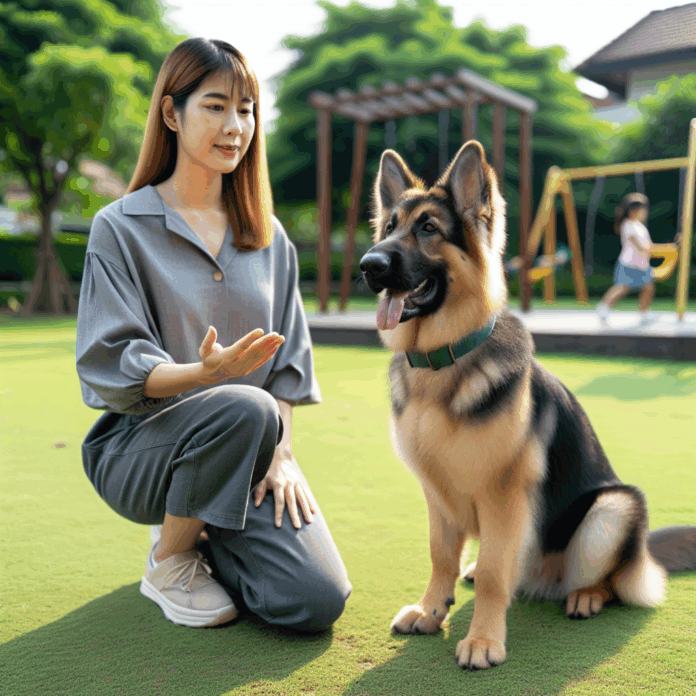
Training your dog using positive reinforcement techniques can help boost their confidence. Rewarding your dog with treats or praise when they behave calmly in situations that typically cause anxiety can encourage them to react positively in the future. Basic commands such as "sit," "stay," and "come" can be invaluable when managing anxiety-inducing situations.
4. Gradual Desensitization
For dogs with specific anxieties, gradual desensitization can be effective. Start by exposing your dog to the anxiety-inducing stimulus at a low intensity and gradually increase exposure as your dog becomes more comfortable. For example, if your dog is afraid of thunder, play recordings of thunder at a low volume while providing treats or engaging in play to create positive associations.
5. Training Classes or Professional Help
Professional training can provide a structured environment to address anxiety. Look for classes focusing on behavioral issues or consult a certified dog trainer or animal behaviorist who specializes in anxiety. They can offer tailored advice and techniques for managing specific problems.
6. Enrichment Activities
Keeping your dog mentally and physically stimulated can alleviate anxiety. Engage them in activities such as puzzle toys, obedience training, or agility courses. Regular physical exercise is vital as it releases pent-up energy and reduces anxiety levels.
7. Calming Products
Several products on the market can assist with dog anxiety:
- Calming Mats: These provide a calming pressure that can soothe anxious pups.
- Thundershirts: These wrap around the dog’s body and apply gentle pressure, helping to alleviate anxiety, especially during storms or fireworks.
- Calming Treats and Supplements: Many treats and supplements contain natural ingredients designed to soothe anxious dogs. Always consult your veterinarian before introducing new products.
8. Aromatherapy
Certain scents can have a calming effect on dogs. Lavender and chamomile are popular choices. You can use essential oils safely by diffusing them in the air or applying them to your dog’s bed (ensure they are pet-safe). Introduce scents gradually to see how your dog reacts.
9. Medication
In severe cases of anxiety, medication may be necessary. Consult your veterinarian about possible medications that could help your dog cope better. There are options ranging from short-term solutions for specific events (like thunderstorms) to long-term medications for chronic anxiety.
10. Maintain Your Composure
Dogs are naturally attuned to their owners’ emotions. If you’re anxious or stressed, your dog may mirror those feelings. Remain calm during triggering situations, using a soothing voice to reassure them. This can help your dog feel more secure.
FAQs About Dog Anxiety
1. What are the signs of anxiety in dogs?
Common signs of anxiety in dogs include excessive barking, destructive behavior, pacing, trembling, hiding, drooling, and changes in appetite or sleep patterns.
2. Can anxiety in dogs be completely cured?
While some dogs may overcome their anxiety with proper training and support, others may require ongoing management. Each dog is unique, and treatment may need to be adjusted over time.
3. Is it normal for my dog to have anxiety?
Yes, anxiety is common in dogs. Many pet owners encounter anxious behaviors at some point. Understanding your dog’s specific triggers can help you manage their anxiety effectively.
4. How can I help my dog with separation anxiety?
Gradual desensitization, creating a safe space, and providing engaging toys can help. Training your dog to feel comfortable alone can also be beneficial.
5. Should I consult a veterinarian for my dog’s anxiety?
If you notice signs of severe anxiety, it’s wise to consult a veterinarian. They can provide valuable insights, rule out health issues, and recommend appropriate treatments.
Conclusion
Managing dog anxiety requires patience and commitment. By implementing these proven strategies, you can create a supportive environment that alleviates anxiety and empowers your dog to thrive. Remember, consistency is key, and seeking professional help when needed can make a significant difference in your dog’s emotional health. Your furry companion deserves a stress-free life, and with love and understanding, you can help them achieve one.

