

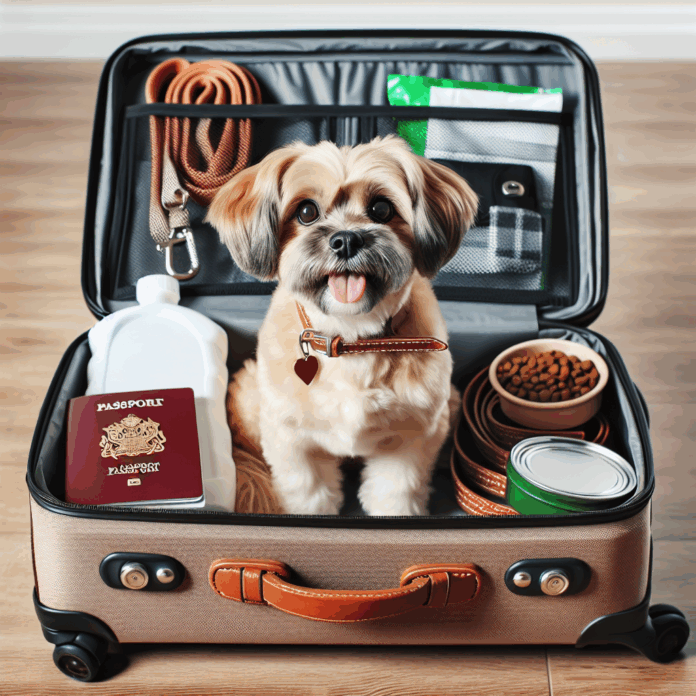
Bringing home a dog is an exciting adventure that can enrich your life with joy, companionship, and unconditional love. However, this transition requires careful planning and consideration to ensure a positive experience for both you and your new furry friend. From creating a safe space to establishing routines, the following guide will help you navigate this life-changing step.
Preparing Your Home
Choose the Right Space
Before bringing your dog home, consider where they will spend most of their time. Designate a comfortable area in your house that will serve as their safe haven. This space should be free from hazards like sharp objects, toxic plants, and small items that might be swallowed. A quiet corner with a comfy bed, food and water dishes, and a few toys will make your pup feel secure.
Dog-Proofing Your Home
Dogs are naturally curious, so it’s essential to dog-proof your home before they arrive. Secure electric cords, keep cleaning supplies out of reach, and place breakable items in safe locations. Check for any small items that your dog might ingest, such as coins or buttons. Consider using baby gates to restrict access to certain areas of your home, ensuring your new family member remains safe while exploring.
Purchase Essential Supplies
Before you bring your dog home, make sure to gather all necessary supplies:
- Food and Water Bowls: Opt for sturdy, easy-to-clean bowls that won’t easily tip over.
- Quality Dog Food: Research the dietary needs of your dog’s breed and age, consulting a veterinarian if necessary.
- Comfortable Bed: Choose a bed that suits your dog’s size and provides comfort and warmth.
- Toys: Interactive toys can stimulate your dog mentally and physically, helping to keep them entertained.
- Collar and Leash: A well-fitted collar with ID tags and a sturdy leash are essential for walks and safety.
Creating a Safe Space
Establishing a Routine
Dogs flourish on routine. After bringing your dog home, create a daily schedule that includes feeding times, exercise, play, and bathroom breaks. This structure will help your dog settle in and understand what to expect each day.
Introducing Family Members
When introducing your dog to family members, do it slowly. Allow the dog to sniff them while maintaining a calm demeanor. This approach helps the dog feel comfortable and secure in their new environment. Encourage gentle interactions and avoid overwhelming your dog with too many people at once.
Introducing to Other Pets
If you have other pets, introductions must be handled with care. Consider keeping them in separate spaces during initial encounters. Allow them to sniff each other under a door or through a gate. After a few days, you can begin supervised interactions. Monitor the behavior of all pets to ensure a peaceful introduction, and never force them to engage if they aren’t ready.
Training and Socialization
Basic Commands
Training your dog with basic commands like "sit," "stay," and "come" creates a foundation for good behavior. Positive reinforcement—using treats and praise when your dog responds correctly—helps them learn more effectively. Keep training sessions short and fun to maintain your dog’s interest.
Socialization
Socialization is crucial for your dog’s mental well-being. Introduce your dog to different environments, sounds, and other animals gradually and in a controlled manner. Puppy classes or dog parks can provide excellent opportunities to interact with other dogs and people, promoting confidence and reducing anxiety.
Healthcare Considerations
Visit the Veterinarian
Schedule a visit to the veterinarian soon after bringing your dog home. Regular check-ups will ensure your dog is healthy, up to date on vaccinations, and free of parasites. Discuss a vaccination schedule, nutrition, and flea and tick prevention with your vet.
Consider Spaying or Neutering
Discuss the benefits of spaying or neutering with your veterinarian. This procedure can help prevent unwanted litters and can reduce certain behavioral issues.
Enrichment and Exercise
Physical Activity
Dogs require regular physical exercise to stay healthy and happy. Plan daily walks, playtime, or fetch sessions in the yard. The amount of exercise varies by breed, age, and energy level, so tailor activities to suit your dog’s needs.
Mental Stimulation
In addition to physical exercise, mental enrichment is essential for your dog’s well-being. Puzzle toys, obedience training, and interactive games can keep your dog’s mind sharp. Consider rotating toys to maintain interest and prevent boredom.
Communication and Bonding
Building Trust
Building a trusting relationship with your dog requires patience and consistency. Spend quality time together through play, walks, and cuddling. Use a calm voice and gentle touch to create a reassuring environment.
Understanding Body Language
Learning to read your dog’s body language is vital for effective communication. Signs of happiness include wagging tails and relaxed posture, while anxiety or fear may be indicated by stiff body language or hiding. Responding appropriately to their cues will strengthen your bond.
FAQs
1. How soon should I change my dog’s diet after bringing them home?
It’s best to gradually transition to a new diet over a week to avoid digestive upset. Start by mixing a small amount of the new food with their existing food, gradually increasing the new food while decreasing the old.
2. How can I help my dog adjust to their new home?
Allow your dog to explore their new environment at their own pace. Provide a comforting space and maintain a routine. Patience is key; give your dog time to adjust, and avoid overwhelming them with too much attention.
3. When should I start training my new dog?
You can start training your dog as soon as you bring them home. Basic commands and house training should begin immediately, while socialization can be ongoing as they grow.
4. What if my dog has accidents in the house?
Accidents are a normal part of the adjustment period. Stay calm and avoid punishment. Clean the area thoroughly to remove any lingering odors, and reinforce outdoor bathroom breaks with praise and treats.
5. Can I leave my dog alone while I’m at work?
It’s essential to gradually acclimate your dog to being alone. Start with short periods and increase the duration over time. Consider crate training or puppy-proofing a specific area to keep them safe when you’re not home. Interactive toys can also help keep them entertained.
Conclusion
Bringing home a dog is a rewarding experience, but it involves significant changes in your life. By preparing your home, creating a safe space, establishing routines, and focusing on training and bonding, you can ease your new furry friend’s transition. Remember, patience and consistency are your best allies in nurturing a lifelong bond with your new companion. Enjoy the journey!

