

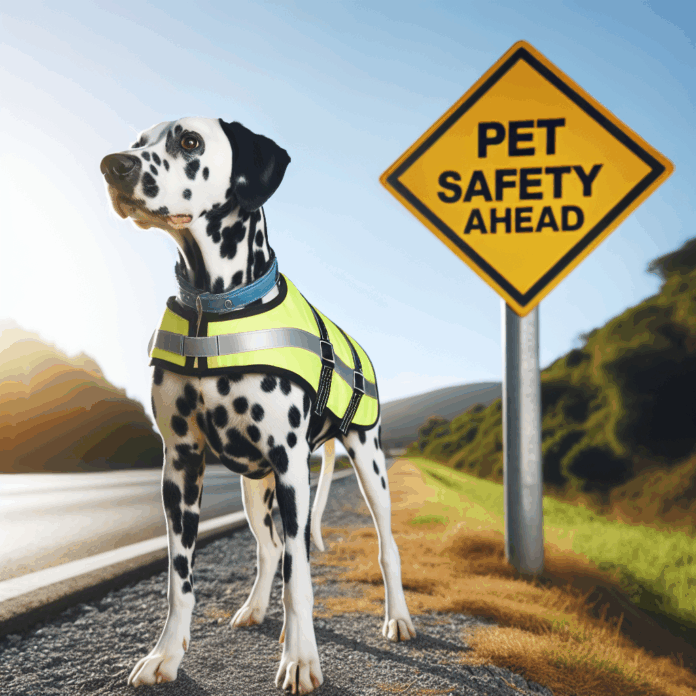
Bringing a new puppy into your home is an exciting adventure, filled with joy, laughter, and the occasional chew-related mishap. Curious puppies often explore their environments through chewing, and while this behavior is perfectly natural, it can pose risks to both your pup and your home. Creating a "No Chew Zone" is essential for your puppy’s safety and your peace of mind. In this article, we’ll explore strategies for making your home puppy-proof, effective deterring techniques, alternative solutions, and answer some frequently asked questions.
Understanding Puppy Behavior
Puppies, especially those under one year old, are known for their boundless energy and curiosity. They explore the world with their mouths, which includes everything from furniture to shoes. Understanding this behavior is crucial for training and setting boundaries.
- Natural Instincts: Chewing is a natural instinct for puppies, helping them relieve teething pain and keep their gums healthy.
- Exploration: Puppies use their mouths to explore their environment. Chewing helps them learn about textures and tastes.
- Attention-Seeking: Sometimes, puppies chew on items to gain attention from their owners, especially if they notice that certain behaviors elicit a strong reaction.
Creating a No Chew Zone
To ensure the safety of your curious puppy, it’s crucial to create spaces in your home where chewing on inappropriate items is not allowed. Here are some steps to make your home a "No Chew Zone":
1. Puppy-Proofing Your Home
Start by identifying areas that may pose a threat to your puppy’s safety.
- Remove Hazardous Items: Keep all toxic plants, electrical cords, small objects, and cleaning supplies out of reach.
- Secure Trash Bins: Puppies are known for rummaging through garbage. Use bins with secure lids to prevent access.
- Hide Shoes and Belongings: Store shoes and clothing in closets or designated areas to keep them out of your puppy’s reach.
2. Defined Puppy Area
Create a specific area in your home just for your puppy. This can be a playpen or a designated room.
- Use Baby Gates: These can help contain your puppy to a certain area while keeping out of bounds items secured.
- Comfortable Bedding: Make sure this area has a cozy bed or blanket, so your puppy feels comfortable and safe.
3. Provide Chewing Alternatives
Make sure your puppy knows what they can chew on rather than just focusing on what they shouldn’t.
- Chew Toys: Invest in a variety of chew toys made of different materials. Look for durable options that can withstand enthusiastic chewing.
- Edible Chews: Consider giving your puppy vet-approved dental chews or bully sticks as a safe alternative to non-food items.
- Rotating Toys: Keep your puppy engaged by rotating their toys regularly to prevent boredom.
4. Use Deterrents Wisely
While redirecting your puppy’s chewing behavior is important, sometimes additional measures are necessary.
- Bitter Sprays: Use pet-safe bitter sprays on furniture or other items you want to protect. The unpleasant taste can deter chewing.
- Natural Deterrents: Some puppies respond well to natural deterrents, such as vinegar or citrus. Spray these on items you want your puppy to ignore.
5. Train Consistently
Training is a critical component of creating a "No Chew Zone."
- Positive Reinforcement: Reward your puppy with treats and praise when they chew on appropriate items.
- Redirect Attention: If you catch your puppy chewing on something they shouldn’t, calmly redirect them to an approved chew toy.
- Basic Commands: Teaching commands like "leave it" or "no" can help you manage your puppy’s behavior effectively.
Exercise and Enrichment
A tired puppy is less likely to engage in destructive chewing. Providing adequate physical exercise and mental stimulation can help channel their energy positively.
- Regular Walks: Ensure your puppy gets daily walks, adjusting distance and intensity as they grow.
- Interactive Games: Engage your puppy in games of fetch, hide-and-seek, or puzzle toys that challenge them mentally.
- Socialization: Introduce your puppy to other dogs and people, allowing them to learn appropriate behaviors through observation.
Ongoing Management
Even with all the precautions in place, puppy-proofing is an ongoing process. Puppies grow and explore, so regularly reassess your environment.
- Monitor: Frequently check for new hazards as your puppy develops and becomes more adventurous.
- Consistency: Keep enforcing boundaries and rewards for good behavior to help reinforce what is acceptable.
FAQs
1. What should I do if my puppy chews on something dangerous?
If your puppy chews on something harmful, immediately remove it and monitor your puppy for any signs of distress or illness. Contact your veterinarian if you suspect they ingested anything toxic.
2. How do I stop my puppy from chewing on furniture?
Use bitter sprays on furniture and redirect their attention to approved chew toys. Consistent training and positive reinforcement are key.
3. What types of chew toys are safe for puppies?
Look for rubber or nylon toys designed specifically for puppies. Avoid toys with small parts that could become choking hazards.
4. At what age do puppies stop chewing so much?
Puppies typically begin to settle down around 6 months to 1 year old, but every dog is different. Consistent training and redirection can help.
5. Can teething cause excessive chewing?
Yes, puppies often chew more when they are teething. Providing appropriate chew toys can alleviate this discomfort.
Conclusion
Creating a "No Chew Zone" in your home is an essential step in raising a happy, healthy puppy. By understanding their natural instincts, providing safe alternatives, and giving consistent training, you can guide your puppy towards positive behaviors while ensuring their safety. Remember, this period is temporary, and with time, patience, and persistence, you’ll foster an environment where curiosity and safety can coexist, leading to a well-adjusted and happy dog.

