

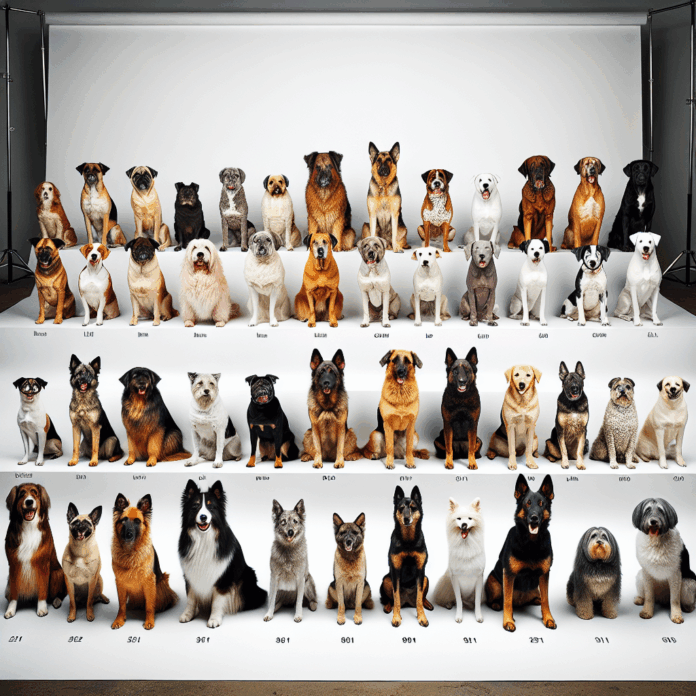
Working group dogs have played an integral role in human society for centuries. These remarkable canines are known for their intelligence, versatility, and trainability, which make them invaluable partners in various roles, from herding livestock to providing assistance in search and rescue missions. In this article, we will explore the multifaceted skills of working group dogs, their historical significance, and the unique traits that make them well-suited for a variety of tasks.
Historical Background
The lineage of working dogs dates back to ancient civilizations. The earliest breeds were developed to assist humans in their daily lives, whether through herding livestock, guarding homes, or assisting in hunting. Historically, these dogs were bred for specific tasks, honing skills that would make them crucial allies on the farm and beyond.
As agriculture developed, so did the relationship between humans and dogs. For instance, herding dogs like the Border Collie and Australian Shepherd were bred to control livestock. Their agility, intelligence, and obedience made them perfect for managing sheep, cattle, and even poultry. Other breeds, such as the Rottweiler and Doberman Pinscher, were primarily bred for protection and guarding.
The Versatile Skills of Working Group Dogs
1. Herding
Herding dogs are perhaps the best-known representatives of the working group. Breeds like the Border Collie and Belgian Malinois possess an innate ability to gather and direct livestock. Their herding instincts allow them to respond effortlessly to commands and subtle cues from their handlers.
These dogs have a unique ability to anticipate the movements of livestock and adjust their strategies accordingly. For example, a Border Collie will employ a low posture and slow movements to avoid startling sheep. This intelligence and adaptability are key reasons why herding dogs excel not only on farms but even in urban settings where they can participate in dog sports and competitions.
2. Guarding and Protection
Many working group dogs, such as the German Shepherd and Rottweiler, are bred for guarding. These breeds are known for their loyalty, courage, and protective instincts. Their physical attributes, such as strength and agility, make them formidable protectors of both property and people.
These dogs are commonly used in law enforcement and military roles, where their keen sense of smell and ability to be trained in protection techniques are invaluable. Additionally, their ability to assess threats quickly and react appropriately makes them essential for ensuring the safety of their families and communities.
3. Search and Rescue
Search and rescue dogs, often seen in disaster response scenarios, showcase the incredible versatility of working group dogs. These canines are trained to locate missing persons, whether lost in the wilderness or trapped under rubble. Breeds like the Labrador Retriever and Golden Retriever are frequently used in this capacity due to their excellent sense of smell and friendly demeanor.
Training for search and rescue involves teaching dogs to navigate various terrains and recognize specific scents. Their innate willingness to work alongside humans enhances their capability to form strong bonds with their handlers, making them more effective in these high-stakes situations.
4. Service and Therapy
Working group dogs also excel in roles beyond traditional farm or protective duties. Many are trained as service animals to assist individuals with disabilities. Breeds such as the Labrador and Bernese Mountain Dog are often chosen for their temperament and trainability.
These service dogs can perform tasks ranging from guiding visually impaired individuals to alerting their handlers about medical emergencies, such as seizures or low blood sugar. Furthermore, therapy dogs, which also often belong to the working group, provide emotional support to those in hospitals, nursing homes, and schools, promoting mental well-being.
5. Search and Detection
Many working group breeds are utilized in specialized detection roles. Dogs are unparalleled in their ability to sniff out drugs, explosives, and even certain medical conditions. For example, Belgian Malinois are commonly used in police and military operations for narcotics detection due to their keen sense of smell and agility.
Similarly, medical detection dogs can be trained to identify specific scents associated with diseases like cancer or diabetes. Their remarkable olfactory senses can lead to breakthroughs in early diagnosis and treatment.
Training Working Group Dogs
Training is fundamental to unlocking the full potential of working group dogs. Positive reinforcement techniques are often the most effective, combining treats, praise, and play to encourage desired behaviors. Socialization is also critical, allowing these dogs to be accustomed to various scenarios, environments, and other animals.
Establishing a strong bond with the handler is essential for effective teamwork. Regular training sessions help ensure that dogs remain engaged, while mental stimulation and physical exercises are crucial for maintaining their health and happiness.
Living with Working Group Dogs
While working group dogs are dedicated and hard-working, they require a lifestyle that matches their energy levels and needs. Regular exercise is essential, along with opportunities for mental challenges—whether through training, sports, or stimulating play.
In family settings, these dogs thrive when their working instincts are acknowledged. Engaging them in tasks, whether through training exercises, agility courses, or even simple fetch games, helps fulfill their needs and strengthens the bond between dog and owner.
Conclusion
Working group dogs are incredible canines that contribute significantly to human society. Their diverse set of skills allows them to be more than just loyal companions; they are partners in herding, protection, search and rescue, medical detection, and service work. By understanding their capabilities and providing the appropriate training and environment, we can ensure that these remarkable dogs reach their fullest potential.
FAQs
1. What are working group dogs?
Working group dogs are breeds specifically developed to perform tasks such as herding, guarding, search and rescue, and assistance work. They are known for their intelligence, trainability, and versatility.
2. What breeds are considered working group dogs?
Common breeds in the working group include German Shepherds, Rottweilers, Doberman Pinschers, Border Collies, and Belgian Malinois, among others.
3. How can I train my working group dog effectively?
Utilize positive reinforcement techniques, regular training sessions, and socialization opportunities. Engage them in mental and physical activities to keep them stimulated.
4. Are working group dogs suitable as family pets?
Yes, but they require an active lifestyle and mental challenges. They thrive in homes where their working instincts are acknowledged and engaged.
5. Can working group dogs perform roles outside of traditional farm work?
Absolutely! Many working group dogs excel in search and rescue, therapy, medical detection, and service roles, showcasing their incredible versatility and adaptability.
In conclusion, working group dogs are not just helpers on the farm; they are valued companions in various aspects of life, proving their worth time and again. Respecting their skills and providing them with proper training leads to fulfilling partnerships for both the dogs and their humans.

