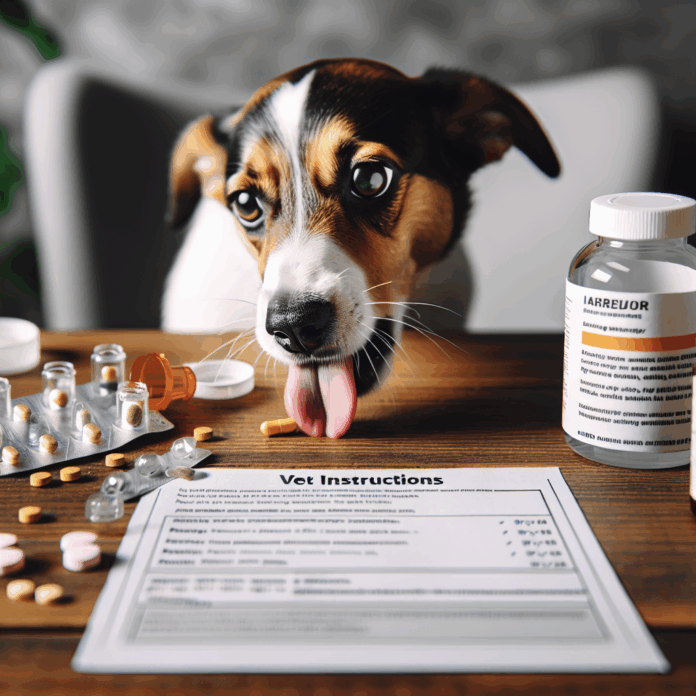
Giving your dog medication can often feel like a daunting task. Many dogs are not particularly fond of swallowing pills, and some may actively resist the process. However, making the experience as stress-free as possible for both you and your furry friend is crucial. This article explores strategies for giving your dog a pill successfully, along with tips for minimizing anxiety and ensuring your pet receives necessary treatment.
Understanding Why Dogs Resist Pills
Before diving into techniques, it’s helpful to understand why some dogs resist taking medication. The taste, texture, or even the sheer idea of swallowing something foreign can lead to hesitation or outright refusal. Moreover, past negative experiences might make a dog wary of the whole process. Understanding this can help you approach the situation with empathy, ultimately making it easier for both you and your pet.
Strategies for Success
1. Pill Encapsulation
One of the simplest methods is to encapsulate the pill in something your dog loves. Here are some options:
Peanut Butter: This sticky, flavorful treat can often mask the taste of the pill. Just make sure it’s xylitol-free, as this ingredient is toxic to dogs.
Cream Cheese: Like peanut butter, cream cheese can be an effective medium for concealing pills. Roll the pill into a ball of cream cheese to keep it hidden.
- Cheese: A small piece of cheese can be a disguised treat. Soft cheeses are more pliable and work best for this purpose.
When using encapsulation, make sure to give your dog a little enthusiastic praise once the pill goes down, reinforcing the notion that taking medication is a positive experience.
2. Using Pill Pockets
Commercially available pill pockets are a fantastic option for those seeking a quick and easy solution. These treats are specifically designed to hold pills within them, making it an easier and more appealing option for your dog. They come in various flavors, which can further entice your pet to consume them.
3. Crushing the Pill
For some medications—those that are not time-released or specifically labeled as “non-crushable”—you can crush the pill and mix it into your dog’s food. Here’s how to do it effectively:
Consult Your Vet: Always check with your veterinarian to ensure the medication can be crushed. Some are designed to dissolve in specific ways that crushing them can alter, thus diminishing their efficacy.
- Mix Well: Once crushed, thoroughly mix it into a small amount of your dog’s favorite wet food. Serve it with excitement, making the meal time an anticipated event.
4. Direct Administration
Sometimes, you may need to administer the pill directly. Here’s a step-by-step approach:
Preparation: Have the pill ready and, if necessary, a treat to follow. It’s best to work in a calm location free from distractions.
Positioning: Gently but securely hold your dog’s head. Use one hand to place your thumb and index finger around the nose, tilting the head back slightly.
Pill Placement: With your other hand, place the pill as far back on the tongue as possible.
Encouraging Swallowing: Close your dog’s mouth and gently rub their throat or blow on their nose to encourage swallowing.
- Reward: Immediately after the pill is swallowed, offer praise and a treat to reinforce positive behavior.
5. Using a Syringe
For liquid medications, using a syringe can simplify the process:
Prepare the Syringe: Fill the syringe with the prescribed dose.
Position: Keep your dog calm, ideally in a seating or lying position.
Administering: Place the syringe into the side of your dog’s mouth, aiming for the space between the cheek and gums, and gently squirt the liquid.
- Follow-Up: Like with pills, rewarding them right after can create a positive association.
6. Disguising the Pill in Food
While it can be effective, you’ll need to ensure your dog consumes the whole meal for this to work. Here’s how to maximize success:
Strong Smells: Add a strong-smelling food to mask the scent of the pill. Wet food or canned pumpkin can be effective.
- Small Portions: Serve the food in smaller portions, mixing in the pill so your dog cannot selectively eat around it.
7. Consulting the Veterinarian
If you find that your dog continues to struggle with taking medication, consult your veterinarian. They might suggest alternative forms of the medication (like liquid solutions or transdermal options) or offer additional strategies tailored to your dog’s behavior and preferences.
Calming Your Dog
Regardless of the method you choose, it’s essential to keep your dog calm. Depending on your pet’s disposition, consider these calming techniques:
Stay Calm Yourself: Dogs can pick up on your anxiety. If you stay calm, they’re more likely to remain composed.
Positive Reinforcement: Keep the mood light by delivering affection, treats, and praise.
- Routine: Keep a consistent routine for medication times. This will help your dog anticipate it as part of their daily schedule.
Troubleshooting Common Issues
Problem: Dog Spits Out the Pill
If your dog manages to spit out the pill, try using a different technique or method. Sometimes altering the environment or switching the treat can make a difference.
Problem: Dog Refuses Food
In some cases, dogs will refuse any food containing medication. In such situations, you may need to revert to direct administration or consulting a vet for alternative solutions.
FAQs
Q1: What should I do if my dog refuses to take the pill?
Try a different method, such as crushing the pill (if safe), using a pill pocket, or directly administering it. If your dog continuously refuses, consult your vet.
Q2: Is it safe to crush any pill?
No, not all pills can be crushed. Always consult your veterinarian to ensure it’s safe to crush the specific medication.
Q3: What if my dog only eats around the pill?
You may need to employ stronger-smelling foods to mask the pill, or attempt direct administration.
Q4: How can I prevent my dog from becoming fearful of taking pills?
Establish a positive routine, use treats, and ensure the experience is calm and relaxed.
Q5: What if my dog has a food allergy or sensitivity?
Be cautious about which treats you use to hide pills. Consult your vet for safe options tailored to your dog’s dietary restrictions.
Q6: Can I use human food to disguise the pill?
Yes, but be mindful of safety. Foods like peanut butter, cheese, and pumpkin can often work well. Always verify that the food is safe for your dog.
Conclusion
The process of giving your dog medication may require some patience, experimentation, and creativity. By employing various strategies and ensuring a calm environment, you can help make the experience smoother for both you and your furry friend. Remember that a positive approach not only helps in administering medication but reinforces trust, making future doses easier. With time and practice, you’ll become a pro at this essential aspect of pet ownership.

