Long-haired dog breeds are known for their stunning coats that add elegance to their appearance. However, their beautiful fur requires consistent grooming to ensure it remains clean, healthy, and tangle-free. Neglecting grooming can lead to mats, skin issues, and discomfort for your furry friend. In this article, we’ll explore a comprehensive step-by-step grooming routine designed specifically for long-haired dogs, transforming their tangled tresses into a magnificent mane.
Why Grooming is Important
Grooming isn’t just about aesthetics; it plays a crucial role in your dog’s health. Regular grooming can:
- Prevent Matting: Mats can trap moisture and dirt against the skin, leading to infections and skin irritations.
- Promote Healthy Skin: Brushing helps distribute natural oils through the coat, promoting skin health.
- Reduce Shedding: Regular grooming can minimize shedding and keep your home cleaner.
- Check for Parasites: Grooming allows for a thorough check of your dog’s skin for any pests like ticks or fleas.
Step-by-Step Grooming Routine
1. Gather Your Supplies
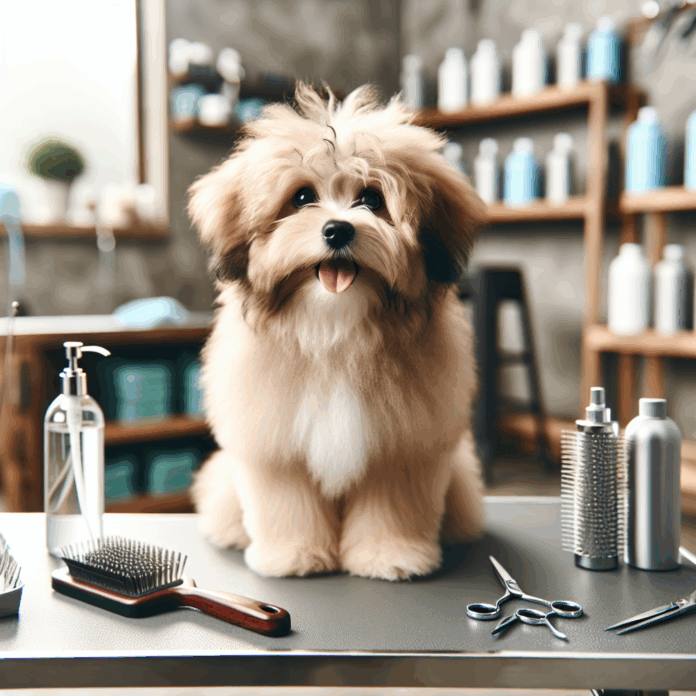
Before you start grooming, ensure you have the following tools:
- Slicker Brush: Ideal for removing tangles and mats.
- Metal Comb: Perfect for finishing touches and detangling finer areas.
- De-shedding Tool: Excellent for managing shedding, especially during seasonal changes.
- Scissors: Use for trimming any excessively long hair or mats.
- Dog Shampoo: Opt for a gentle, pet-friendly formula.
- Towels: For drying your dog after a bath.
- Blow Dryer: Only if your dog is comfortable with it; it should be set on low heat.
2. Prepare Your Dog
Before starting, it’s essential to prepare your dog for grooming. Here’s how:
- Choose a Calm Environment: Find a quiet space where your dog feels secure and relaxed.
- Introduce the Tools: Let your dog sniff and examine the grooming tools for a few minutes. This will help reduce anxiety.
3. Brush Before Bathing
Brushing your dog before a bath is vital to remove tangles and loose hair. Here’s the process:
- Work in Sections: Divide your dog’s coat into segments to ensure thorough brushing.
- Use the Slicker Brush: Start from the base of the tail and work your way up to the head. Be gentle around sensitive areas like the ears and eyes.
- Focus on Trouble Spots: Pay extra attention to areas prone to matting, like behind the ears, under the legs, and around the collar.
4. Bathe Your Dog
Now it’s time for a bath, which is crucial for keeping the coat healthy. Follow these steps:
- Wet Thoroughly: Use lukewarm water to wet your dog’s coat completely. Avoid spraying directly in the eyes or ears.
- Apply Shampoo: Use a small amount of dog shampoo, lathering it well. Always read the product’s instructions.
- Rinse Thoroughly: Make sure to rinse out all the shampoo, as residue can irritate your dog’s skin.
- Condition (if necessary): If your dog has particularly long or coarse hair, consider applying a dog-friendly conditioner.
5. Drying Your Dog
After bathing, it’s crucial to dry your dog correctly:
- Towel Dry: Use a towel to remove excess water. Do this gently to avoid pulling on the coat.
- Blow Dry (if needed): If your dog is comfortable, use a blow dryer on the lowest heat setting. Keep it at a distance to prevent burns.
6. Finish with a Final Brush
Once your dog’s coat is dry, give it a final brush to smooth out any bumps or tangles that may have formed during the bath:
- Use a Metal Comb: This helps catch any remaining loose hair and separates individual strands.
- Check for Mats: If you encounter mats, use your fingers or a slicker brush to carefully detangle them without causing harm.
7. Nail Trimming and Ear Cleaning
Don’t forget these additional grooming tasks:
- Nail Trimming: Use dog nail clippers to keep your dog’s nails short and prevent discomfort. Only trim a small amount at a time, avoiding the quick (the pink area within the nail).
- Ear Cleaning: Inspect your dog’s ears for dirt and wax. Use a gentle ear cleaner suitable for dogs and a cotton ball to clean gently.
8. Reward Your Dog
After the grooming session, reward your dog with praise and a treat. This positive reinforcement will help them associate grooming with enjoyable experiences, making future sessions smoother.
FAQs About Grooming Long-Haired Dogs
Q1: How often should I groom my long-haired dog?
A: Ideally, long-haired dogs should be groomed at least once a week. Some breeds may require more frequent grooming, especially during shedding seasons.
Q2: What if my dog has mats?
A: For severe mats, it may be best to take your dog to a professional groomer. If they are small, try using a slicker brush or a dematting comb. Always be gentle to prevent hurting your dog.
Q3: Can I use human shampoo on my dog?
A: No, human shampoos can contain harsh chemicals that may irritate a dog’s skin. Always use products designed specifically for dogs.
Q4: Is it necessary to use a conditioner?
A: While not mandatory, conditioning can help detangle and soften the coat, making future grooming easier.
Q5: How can I make grooming less stressful for my dog?
A: Gradually introduce grooming tools, engage in short grooming sessions, and always reward your dog with treats. A calm and quiet environment can also help ease anxiety.
Conclusion
Grooming a long-haired dog might seem overwhelming, but with the right tools and techniques, it can become a bonding experience for you both. Regular grooming not only enhances your dog’s appearance but also contributes significantly to their overall health and happiness. By following this step-by-step routine, you can easily transform your dog from tangled to terrific, ensuring they look and feel their best. Happy grooming!

