

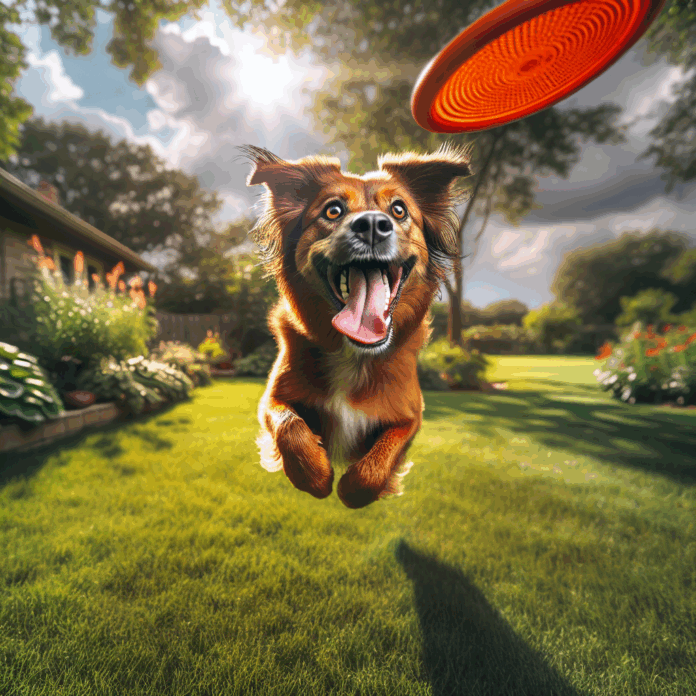
Dog parks are delightful spaces where pups can frolic, socialize, and engage in some much-needed exercise. However, they can also be hotbeds of misunderstanding and miscommunication if proper etiquette is not followed. Just like in human social situations, manners are crucial to ensuring a harmonious and enjoyable experience for all. This guide provides essential dog park etiquette tips for dog owners, ensuring that everyone leaves the park happy—pups and people alike!
Understanding Dog Park Dynamics
Before diving into etiquette rules, it’s essential to grasp the dynamics of dog parks. These are communal spaces where dogs of various breeds, ages, and temperaments come together. Unlike your backyard, dog parks have a unique social structure that can lead to both joy and conflict. Dogs communicate through body language, and understanding this can help you manage your pup better and contribute to a peaceful atmosphere.
Basic Dog Park Etiquette
1. Know Your Dog
Before venturing to a dog park, make sure you understand your dog’s behavior. Is he social and good with strangers, or does he have a few quirks that might lead to aggressive barking? Knowing your dog’s boundaries, triggers, and tendencies will help you navigate the park more effectively.
2. Choose the Right Time
Timing can significantly influence your dog park experience. Visit during off-peak hours (typically early mornings or later in the evening) to avoid overwhelming crowds. This not only ensures that your dog has room to roam but also reduces the chances of confrontations among dogs.
3. Leash Etiquette
Though dog parks are designated off-leash areas, it’s crucial to keep your dog on a leash until you’re inside the fenced area. This signals to other dog owners that you’re entering the space and allows time for dogs to adjust to new arrivals. If your dog is anxious or aggressive, consider keeping them leashed or exploring a different park.
4. Pick Up After Your Dog
This is a non-negotiable rule. Always carry waste bags and dispose of your dog’s droppings responsibly. Leaving waste can ruin the park experience for others and cause health hazards. Many parks provide waste stations, but it’s always a good idea to bring your own bags.
5. Supervise Your Dog
While the dogs are playing, it’s still your responsibility to keep an eye on your pup. Dogs can sometimes play rough, and disagreements can lead to fights. Stay vigilant and intervene if play gets too intense or if your dog seems overwhelmed.
6. Respect Others’ Space
Every dog owner has their own space and comfort level when it comes to socializing. Avoid overwhelming dogs that prefer to keep to themselves. Not all dogs enjoy being approached, and it’s essential to observe body language to gauge comfort levels. Signs of discomfort include growling, stiffening, or avoiding interaction.
7. Introduce Dogs Properly
When introducing dogs, do so gradually. Allow them to sniff each other while on a leash, then release them if they appear comfortable. Watching their body language during introductions can help prevent conflicts.
8. Limit Treats and Toys
While it may be tempting to bring toys or treats to the park, these can lead to jealousy and disputes. If you choose to carry toys, supervise their use and be prepared to take them away if they become points of contention.
9. Keep Conversations Brief
While mingling with fellow dog owners is part of the social experience, lengthy conversations can sidetrack you from watching your dog. Keep your chats brief, especially when new dogs arrive or if you notice your pup interacting with another dog.
10. Handle Conflicts Diplomatically
In case of a dogfight, it’s best to remain calm and separate the dogs if necessary. Avoid screaming or panicking, as this can escalate the situation. Use distractions or water to separate them gently, and check in with the other owner to ensure everyone is okay.
Special Considerations
Breed-Specific Rules
Some parks have rules about certain breeds, particularly those perceived as aggressive. Always check the regulations of your local dog park to ensure compliance with any breed restrictions.
Age and Size Areas
Many dog parks provide separate areas for small and large dogs. If your dog is on the smaller side, be diligent about using the correct space to prevent unintentional injuries or bullying.
Dog Park Cleanliness
A clean dog park contributes to a better experience for everyone. If you notice trash, be considerate and pick it up, even if it’s not your own. Leaving the park cleaner than you found it reflects well on the entire dog-owning community.
FAQs
1. What if my dog doesn’t like other dogs?
If your dog exhibits signs of aggression or fear towards other dogs, consider visiting a less crowded park or using a leash but keeping your distance from other dogs. Consult a dog trainer for advice tailored to your dog’s specific needs.
2. Is it okay to bring food to the dog park?
While some owners do bring snacks for themselves, it’s advisable to avoid bringing food that may provoke jealousy among dogs. If you must bring snacks, ensure they are stored away from the dogs to minimize the risk of conflict.
3. What should I do if my dog gets into a fight?
Stay calm and intervene if it’s safe to do so. Avoid using your hands to separate dogs directly; instead, try using loud noises, distractions, or a spray of water to diffuse the situation. Check in with the other owner afterward.
4. How can I tell if my dog is having a good time?
Signs that your dog is enjoying themselves include play-bowing, relaxed body language, wagging tails, and engaging in play with other dogs. If your dog seems anxious or is isolating itself, it may be time to leave.
5. Can I visit the dog park if my dog isn’t fixed?
It varies by location, but many parks encourage spaying/neutering for behavioral and health reasons. Always check your local park’s rules regarding intact dogs.
Conclusion
Dog parks can be a fantastic environment for exercise, socialization, and bonding between dogs and their owners. Practicing proper etiquette ensures that everyone—both four-legged and two-legged—can enjoy the park to its fullest. By following these guidelines, you can contribute to creating a friendly, safe, and welcoming space for all attendees. Happy park visits, and may the tail-wagging adventures begin!

