

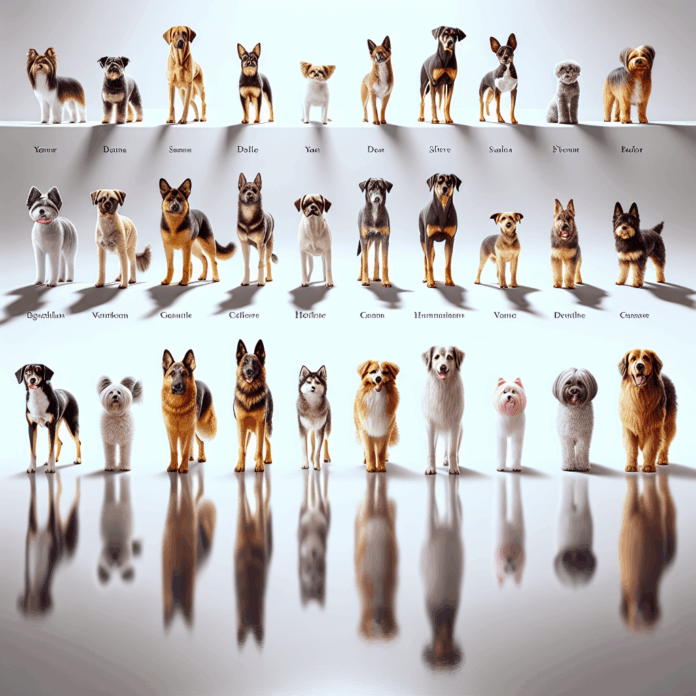
Selecting the perfect dog can be a life-altering decision, influencing your lifestyle, daily routines, and even your emotional well-being. With an array of breeds available, understanding the characteristics of different dog breed groups is essential in finding a companion that suits your needs.
Understanding Dog Breed Groups
The American Kennel Club (AKC) classifies dog breeds into several distinct groups based on their original purpose and function. The most popular breed groups include:
- Sporting Group
- Hound Group
- Working Group
- Terrier Group
- Toy Group
- Non-Sporting Group
- Herding Group
- Miscellaneous Group
1. Sporting Group
Sporting dogs are known for their energetic nature, intelligence, and versatility. They are often used in hunting, assisting humans in retrieving game and tracking. Common breeds in this category include Labrador Retrievers, Golden Retrievers, and Cocker Spaniels.
Characteristics:
- High energy levels
- Need regular exercise and mental stimulation
- Friendly and sociable
- Great family dogs, often good with children
Ideal Owner:
These breeds are suitable for active individuals or families who enjoy outdoor activities like hiking or jogging.
2. Hound Group
Hound dogs were primarily bred for hunting and have a keen sense of smell and stamina. This group includes breeds like Beagles, Bloodhounds, and Greyhounds.
Characteristics:
- Strong instincts and hunting abilities
- Varied temperaments; some are independent while others are affectionate
- Generally, low-maintenance grooming needs
- Can be vocal, especially when on the scent
Ideal Owner:
Perfect for those who appreciate the outdoors and have the time to provide the exercise and mental challenges these breeds require.
3. Working Group
Dogs in the working group are known for their strength and intelligence. These breeds were bred to perform tasks such as guarding, pulling sleds, or performing rescue missions. Breeds include Doberman Pinschers, Rottweilers, and Siberian Huskies.
Characteristics:
- Strong and protective nature
- Highly trainable but can exhibit stubbornness
- Require consistent leadership and socialization
- Generally loyal and affectionate to their families
Ideal Owner:
Individuals who are committed to training and socializing their dogs can benefit from having a working breed as a companion.
4. Terrier Group
Terriers are feisty, energetic, and often known for their tenacity. This group includes the Yorkshire Terrier, Bull Terrier, and Jack Russell Terrier.
Characteristics:
- High energy and playful
- Strong prey drive; may not be suitable for homes with small pets
- Generally, require consistent training due to their bold nature
- Need mental and physical stimulation
Ideal Owner:
Best suited for active individuals or families who enjoy an energetic, spirited companion.
5. Toy Group
Toy breeds are small, affectionate dogs ideal for apartment living. Common breeds in this group include Chihuahuas, Pomeranians, and Shih Tzus.
Characteristics:
- Generally, good temperament; often highly affectionate
- Minimal exercise needs but require social interaction
- Grooming needs can vary from low to high based on the breed
- Some breeds may have a “big dog” attitude
Ideal Owner:
Best for those who live in small spaces and prefer a small, loving companion.
6. Non-Sporting Group
This diverse group includes breeds that don’t fit into other categories, such as Bulldogs, Dalmatians, and Poodles.
Characteristics:
- Varied temperaments and energy levels
- Grooming and exercise needs can differ widely
- Generally adaptable to different living situations
Ideal Owner:
Individuals looking for a unique breed with varying characteristics and needs can find a great companion in the non-sporting group.
7. Herding Group
Herding dogs are known for their intelligence, agility, and strong herding instincts. Common breeds include Border Collies, Australian Shepherds, and German Shepherds.
Characteristics:
- Highly trainable; excel in obedience and agility
- Need mental and physical stimulation
- Can be protective and loyal
- Tend to herd children and other pets if not properly trained
Ideal Owner:
Perfect for active families or individuals who enjoy engaging their dogs in work or play.
8. Miscellaneous Group
The Miscellaneous Group includes breeds that are being evaluated for full AKC recognition. These pets may display unique characteristics and require specific care.
Factors to Consider When Choosing the Right Dog
- Lifestyle: Assess your daily routine – how much time can you devote to exercise and training?
- Living Space: Do you live in a large house with a yard, or a small apartment?
- Allergies: Some breeds are hypoallergenic, which may be important if you or someone in your household has allergies.
- Time Commitment: Consider the grooming and training needs of a dog. Some breeds require more time and effort than others.
FAQs
1. How do I choose the right dog breed for my family?
Start by evaluating your lifestyle, living situation, activity level, and any specific needs or preferences. Research different breeds, focusing on their characteristics and exercise requirements.
2. Are certain breeds better for families with kids?
Yes, some breeds like Golden Retrievers, Labradors, and Beagles tend to be great with children due to their friendly and adaptable nature.
3. Do dogs from the working group require more training?
Yes, working breeds often require consistent training, socialization, and leadership due to their intelligence and strong instincts.
4. Can I find a dog that is low-maintenance in terms of grooming?
Yes, breeds in the hound group or some larger breeds like Boxers often require less grooming than toy or non-sporting breeds.
5. How can I find reputable breeders or shelters?
Research local animal shelters, rescues, and breeders. Look for those with good reputations and transparent practices; visit in person if possible.
Final Thoughts
Choosing the right dog breed involves understanding your own lifestyle and the characteristics of various breed groups. Investing time in research will ensure that you find a suitable companion to enrich your life and bring joy to your home. Whatever breed you choose, remember that every dog deserves a loving and supportive environment. Happy dog hunting!

