

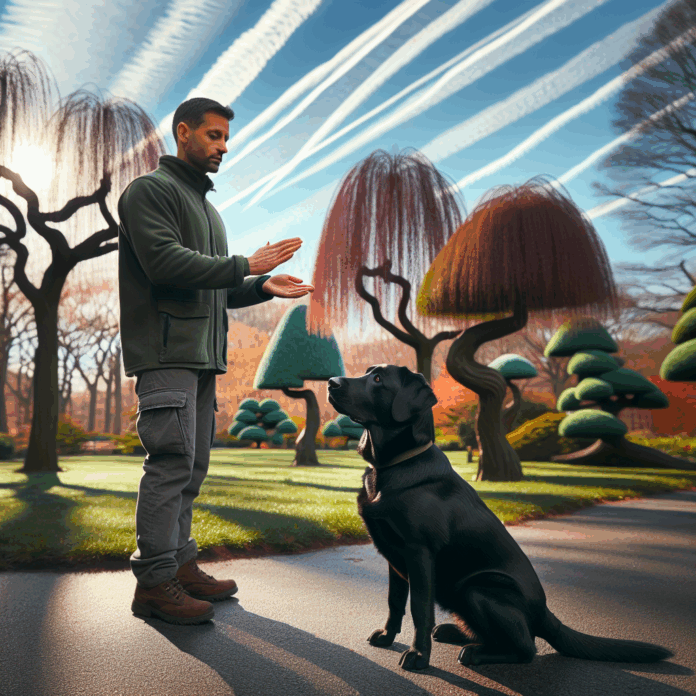
Understanding your dog is a rewarding journey that enriches the bond you share. Dogs communicate primarily through body language, and learning to interpret these cues can significantly enhance your relationship. This article delves into the multifaceted world of canine body signals, helping you decipher what your furry friend is really trying to say.
The Importance of Non-Verbal Communication
Dogs don’t speak our language, but they are experts at conveying their feelings and intentions through body language. From their tails to their ears, every part of a dog’s body can communicate a wealth of information. Developing the skill to read these signals helps in recognizing your dog’s emotional state, which can be crucial for training, socialization, and overall well-being.
Key Body Signals and What They Mean
1. Tail Position and Movement
- Wagging Tail: A wagging tail is often associated with happiness. However, the context matters. A loose, fast wag usually indicates excitement, while a slow, deliberate wag may suggest insecurity.
- High, Rigid Tail: This position often signifies alertness or dominance. Your dog may be feeling confident or may want to assert control in a situation.
- Tucked Tail: A tail tucked between the legs typically indicates fear, submission, or anxiety. Pay attention to other body signals to gauge the full picture.
2. Ears
- Erect Ears: When a dog holds its ears upright, it often means they are alert and interested in their surroundings. This can also signify excitement or curiosity.
- Floppy Ears: In many breeds, floppy ears can indicate a relaxed or happy state. It’s important to consider the dog’s breed, as some naturally have floppy ears.
- Pinned Ears: Ears pulled back against the head typically indicate fear or submission. This posture often accompanies other signals of distress.
3. Eyes
- Soft Eyes: Gentle, relaxed eyes indicate calmness and friendliness. If your dog looks at you with soft eyes, it likely feels safe and comfortable.
- Staring: Direct eye contact can be a challenge signal among dogs. If your dog is giving you a long stare, it may be trying to assert dominance or convey discomfort.
- Squinting: Squinting can indicate anxiety or fear. If your dog squints while being approached, respect their space and provide comfort.
4. Mouth and Lips
- Relaxed Mouth: A relaxed, open mouth often indicates that a dog is calm and happy. You may also observe their tongue hanging out—a classic sign of contentment.
- Closed Mouth: A tightly closed mouth can signify anxiety or stress. Pay attention to other signals to understand the context.
- Lips Curling: When a dog curls its lips or shows its teeth without a growl, it’s often a warning sign—either a display of discomfort or a threat. This gesture should not be ignored.
5. Body Posture
- Relaxed, Loose Body: A relaxed posture with a loose stance usually means your dog is feeling comfortable and safe.
- Stiff or Rigid Body: A tense, stiff body can indicate fear or aggression. Observe if they’re also showing warning signs, like growling or a raised hackle.
- Play Bow: A play bow consists of the front legs stretched forward while the rear remains elevated. This is an invitation to play and usually signifies a friendly demeanor.
Social Signals
Dogs are social creatures, so they also communicate with other dogs and humans.
1. Approaching Other Dogs
When your dog approaches another dog in a relaxed manner—tail up and a loose body—it often indicates friendliness. Conversely, if they show a stiff posture or increase their tail’s intensity, be cautious; they might be feeling threatened or assertive.
2. Interactions with Humans
Your dog will often mirror your body language. If they approach you happily, tail wagging and tongue out, they’re likely excited to see you. However, if they back away or avoid eye contact, they may feel anxious or uncomfortable.
Emotions in Dogs
Understanding emotions in dogs can be complex, but body signals provide solid clues.
1. Happiness
Happy dogs are typically loose, wiggly, and playful. They may exhibit playful behavior, such as running in circles or bringing you a toy.
2. Fear
Fearful dogs may try to shy away, tuck their tails, or display submissive postures. Understanding these signals can be vital in providing comfort and assurance during stressful situations.
3. Aggression
Aggressive dogs generally exhibit rigid body language, raised fur, and a high tail position. Recognizing the precursor signals of aggression can help in redirecting their behavior before it escalates.
Training and Obedience
Understanding your dog’s body signals greatly aids in training. Dogs communicate whether they comprehend commands based on their behavior. A wagging tail and relaxed body suggest they’re enjoying the training session, while stiffening up may imply confusion or stress. Make training sessions positive, rewarding, and engaging to keep your dog motivated.
Creating a Comfortable Environment
A secure environment helps dogs feel more at ease, improving their overall body language. Provide a safe space for your dog to retreat when they feel overwhelmed, and monitor their stress levels during new experiences. If your dog shows signs of stress (like panting or pacing), consider taking breaks or slowly introducing new scenarios.
FAQs
1. How can I tell if my dog is feeling anxious?
- Look for signals like a tucked tail, pinned ears, panting, lip licking, avoidance behavior, or excessive pacing.
2. What should I do if my dog growls?
- Growling can be a warning signal. Approach the situation cautiously and give your dog space. Understanding their fear or discomfort can help you address the issue effectively.
3. Can dogs interpret human body language?
- Yes, dogs are adept at reading human body signals, such as facial expressions and posture. They often mirror back the emotions they perceive in their owners.
4. Why is my dog suddenly showing different body language?
- Changes in behavior can indicate health issues, stressors in the environment, or changes in routine. If you notice significant shifts, consult your veterinarian to rule out medical issues.
5. How can I improve my dog’s body language communication?
- Engage in socialization, give them plenty of positive experiences, and practice training techniques to help your dog feel secure. The more comfortable they feel, the clearer their signals will be.
Conclusion
Understanding dog body language is an essential skill for any dog owner. By paying attention to their signals, you can cultivate a deeper bond with your furry companion, ensuring they feel loved, understood, and secure. Remember, just like humans, dogs have their unique personalities and quirks. By learning to interpret their signals, you open up a whole new level of communication in your relationship.

