

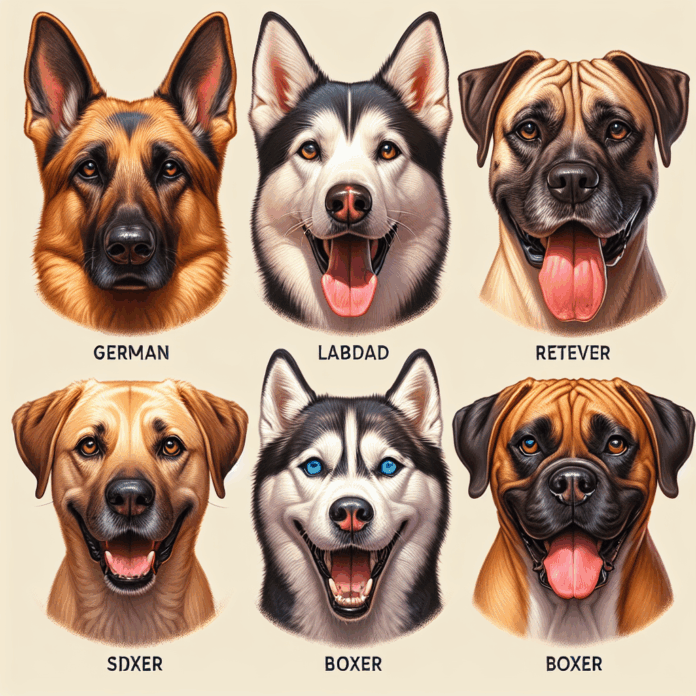
When it comes to choosing a dog, two of the most prominent factors that potential dog owners consider are size and temperament. Dogs range from pint-sized Chihuahuas to giant Great Danes, each breed exhibiting distinct personalities and behaviors. Understanding these attributes is crucial for anyone looking to welcome a canine companion into their home. This article delves deep into the diverse world of dog breeds, examining how size influences temperament, care needs, and compatibility with families.
The Dimension of Size
Small Breeds: Chihuahuas, Pomeranians, and Shih Tzus
Small dog breeds, generally defined as those weighing under 20 pounds, have become increasingly popular due to their portability and adaptability to apartment living. Among these breeds, Chihuahuas are often noted for their feisty personalities wrapped in a tiny package. Despite their small stature, they tend to possess a bold and sometimes stubborn temperament.
Pomeranians are another popular small breed known for their fluffy coats and playful nature. They are typically friendly and extroverted, often acting as little watchdogs despite their size. Shih Tzus, on the other hand, are known for their affectionate demeanor and loyalty. They are often regarded as excellent companions, adapting well to families and individuals alike.
Pros of Small Breeds:
- Require less space and exercise
- Easier to manage in apartments
- Generally lower grooming costs
Cons of Small Breeds:
- More vulnerable to injury
- Some have a reputation for being yappy
- May have difficulty being house-trained
Medium Breeds: Beagles, Bulldogs, and Cocker Spaniels
Medium-sized dogs typically weigh between 20 to 50 pounds and strike a balance between the small and larger breeds. Beagles are beloved for their keen sense of smell and friendly disposition. They thrive on companionship and are usually good with children, making them excellent family pets.
Bulldogs, with their distinct wrinkled faces and muscular build, have a calm and gentle temperament. They are low-energy dogs that enjoy a relaxed lifestyle, often being content to nap on the couch. Cocker Spaniels are known for their friendly and affectionate nature and thrive in active households, requiring regular exercise and engagement.
Pros of Medium Breeds:
- Generally more trainable than small breeds
- Versatile enough for various lifestyles
- Good balance of energy and size
Cons of Medium Breeds:
- Still require daily exercise
- Potential health issues related to specific breeds
- May need more grooming depending on coat type
Large Breeds: Labradors, Golden Retrievers, and German Shepherds
Large breeds, which typically weigh over 50 pounds, can make great companions, but they come with their own sets of challenges. Labradors are undoubtedly one of the most popular large dog breeds, known for their friendly and outgoing nature. They are highly trainable and social, making them perfect for families.
Golden Retrievers share many of the same qualities as Labradors, including loyalty and intelligence. They excel in family environments and often act as therapy dogs due to their gentle demeanor. German Shepherds, while equally loyal, have a reputation for being protective and intelligent. They require consistent training and socialization to develop into well-rounded companions.
Pros of Large Breeds:
- Generally easier to train
- Great for active families
- Often exhibit loyal and protective instincts
Cons of Large Breeds:
- Higher food and medical costs
- Shorter lifespan compared to smaller breeds
- Require more space and exercise
The Influence of Temperament
Energy Levels and Social Needs
Energy levels among dog breeds vary widely, influenced by both size and breed characteristics. Smaller breeds might be small in stature but often have high energy levels. They usually enjoy playtime and require regular stimulation. In contrast, many large breeds, like Bulldogs, may prefer a more laid-back lifestyle.
Social needs are equally important. Some breeds, particularly small ones, may develop separation anxiety and require more social interaction. In contrast, larger breeds might be more independent, though they can also be very affectionate.
Trainability and Intelligence
Trainability is another dimension influenced by both size and temperament. Generally, larger breeds like Golden Retrievers and German Shepherds are considered highly trainable due to their intelligence and eagerness to please. Smaller breeds may be just as intelligent but might require different training approaches due to their stubbornness.
Understanding the individual breed’s traits can offer valuable insights into training methods. For instance, positive reinforcement works well for both small and large breeds, but it may require more consistency with breeds known for their independence.
Temperament Across Breeds
The temperament of dog breeds is often described using a variety of traits including friendliness, protectiveness, playfulness, and energy. While many small breeds exhibit lively and sometimes overly enthusiastic behavior, larger breeds can display a calm, stable temperament, particularly when well-trained.
In households with children, it’s crucial to choose a breed whose temperament aligns with your family’s lifestyle. Breeds like Beagles and Labradors are generally considered family-friendly, while breeds such as Chihuahuas may not handle rambunctious children as well.
Breed-Specific Traits
When considering size and temperament, potential dog owners should also be aware of breed-specific traits beyond size alone. For example, hounds such as Beagles have a strong prey drive, which means they may not be suitable for homes with smaller pets. Similarly, working breeds like German Shepherds may require more structure and mental stimulation to thrive.
Conclusion
Navigating the diverse landscape of dog breeds involves more than just a choice of size. Understanding how size intertwines with temperament can lead to more informed decisions, ensuring a harmonious match between pet and owner. Whether you opt for a tiny, fearless Chihuahua or a gentle giant like a Great Dane, knowing what to expect in terms of behavior, care needs, and compatibility with your lifestyle is essential. Every dog brings unique joy and challenges, and when you find the right fit, you’ll discover the tremendous benefits of canine companionship.
FAQs
1. What breed is best for families with young children?
Labrador Retrievers, Golden Retrievers, and Beagles are often recommended for families due to their friendly, tolerant, and patient nature.
2. Do smaller breeds tend to have longer lifespans than larger breeds?
Yes, on average, smaller dog breeds tend to live longer than larger breeds, often due to slower aging processes and fewer health issues.
3. How can I train a stubborn small breed?
Using positive reinforcement techniques, setting clear boundaries, and employing consistency in training are key methods for training stubborn small breeds.
4. What are the grooming needs for different sizes of dogs?
Grooming needs can vary widely by breed rather than size; some small breeds may require regular grooming, while some larger breeds might have low grooming demands depending on their coat type.
5. How much exercise do dogs need based on their size?
Generally, smaller breeds require less exercise than medium and large breeds, but individual needs may vary widely even within size categories based on the breed’s energy level. Always consult breed-specific guidelines for precise care recommendations.

