

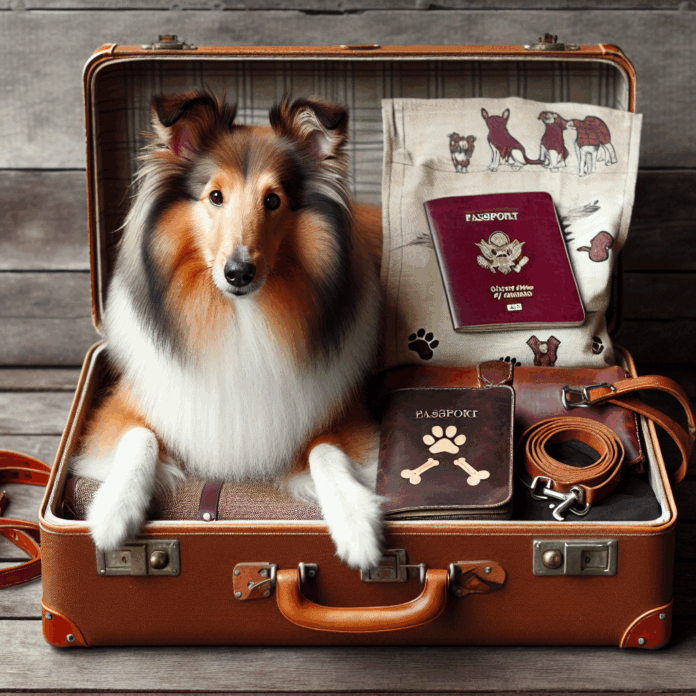
Traveling with your dog can be one of the most rewarding experiences for both you and your furry friend. Whether it’s a weekend getaway or a long road trip, planning ahead ensures that your canine companion is comfortable, safe, and entertained. This guide will help you pack the essential items you need for a smooth journey with your dog.
1. Proper Identification
Before any trip, make sure your dog has proper identification. A collar with an ID tag that includes your contact information is essential. If your dog is microchipped, ensure the registration details are current. This is particularly important if you’re traveling to new places where your dog may get lost.
2. Health Documents
When traveling, especially across state lines or internationally, carry your dog’s health records. These should include vaccination records, especially for rabies, as some states require proof of vaccination for entry. If your dog takes medication, pack enough for the entire trip, along with a copy of the prescription from your veterinarian.
3. Comfortable Travel Crate or Carrier
A comfortable travel crate is essential for long journeys, whether you’re flying or driving. Choose a well-ventilated crate that is appropriate for your dog’s size. This creates a secure space for your dog and can help alleviate anxiety during travel. If your dog is crate trained, it will also serve as a familiar environment.
4. Leash and Harness
A sturdy leash and a comfortable harness are non-negotiable when taking your dog out of the vehicle. The harness provides better control, and is especially helpful for strong or anxious dogs. Always ensure the leash is attached securely, and consider a longer leash to give your dog more freedom during pit stops or walks.
5. Food and Travel Bowls
Don’t forget to pack enough dog food for the duration of your trip, as well as some familiar treats to keep your dog calm in new surroundings. Opt for collapsible travel bowls for convenience; these are lightweight and easy to store. Remember to keep your dog hydrated, especially during long journeys. Always have fresh water available at rest stops.
6. Comfort Items
Just like humans, dogs appreciate their comfort. Bringing a familiar blanket or a favorite toy can help alleviate stress in unfamiliar environments. Familiar scents offer a sense of security, which can be especially calming during travel.
7. First Aid Kit
A pet first aid kit should be part of your travel essentials. Include essentials such as gauze, antiseptic wipes, tweezers, and any specific medications your dog may need. Knowing how to treat common ailments or injuries can make a significant difference while you’re on the road.
8. Waste Bags
No dog owner can overlook the importance of cleaning up after their pet. Pack enough waste bags to last the trip, and consider bringing a portable waste disposal system if you’ll be in areas without proper disposal options. Being a responsible pet owner ensures your dog-friendly destinations remain welcoming.
9. Dog Bed
If you’re staying in accommodations that allow pets, bring along a dog bed or blanket. Having a designated sleeping area can provide your dog with comfort and familiarity, making it easier for them to settle in during the night.
10. Travel Assistance Gear
Certain gear can make traveling easier. For example, a pet barrier can keep your dog safe in the car. Seatbelt harnesses are another option. If you know your dog gets anxious in the car, consider calming products, such as anxiety wraps or pheromone sprays, to help them relax.
11. Sun Protection and Cooling Items
If you’re traveling during warmer months, ensure your dog is comfortable in the heat. Pack a sunshade for your car windows and consider a cooling vest if you’ll be outside for extended periods. Always monitor your dog for signs of overheating, such as excessive panting or lethargy.
12. Dog-Friendly Destination Research
Before leaving, research dog-friendly accommodations, parks, and restaurants. Knowing where you can take your dog will enhance your travel experience. Make reservations ahead of time to avoid surprises upon arrival.
13. Plan for Emergencies
Know the locations of veterinary clinics and animal hospitals along your route. Familiarize yourself with emergency procedures to follow if your dog gets lost or sustains an injury. Having a plan ensures you’ll be prepared for any situation.
FAQs About Traveling with Your Dog
1. What should I do if my dog gets anxious while traveling?
If your dog gets nervous during travel, consider using calming treats or anxiety wraps. Gradual exposure to travel before the trip can also help. Ensure they have familiar items, like a toy or blanket, to help soothe their anxiety.
2. Can I take my dog on public transportation?
Policies vary by location. Research the rules for taking dogs on public transport in your area. Many places allow dogs on public transport if they are in a carrier, while others have more stringent regulations.
3. Should I feed my dog before a long trip?
It’s best to feed your dog a few hours before departure. This helps prevent motion sickness. Always provide fresh water during the trip to keep them hydrated.
4. Are there any destinations where dogs are prohibited?
Yes, many national parks, beaches, and certain accommodations may prohibit pets. Always research pet policies for your intended destinations to avoid disappointment.
5. What is the best way to introduce my dog to a new environment?
Once you arrive, allow your dog to explore at their own pace. Keep your dog on a leash and guide them around the new space, showing them where they can relax and play.
6. What if my dog goes missing while traveling?
If your dog goes missing, start searching the immediate area calmly. Use familiar calls or treats. If they are not found quickly, recruit help from locals and local animal shelters, and post on social media.
Traveling with your dog can be a fantastic experience, filled with bonding moments and new adventures. By being prepared with the right essentials, you’ll ensure a smooth and enjoyable journey for both of you. Happy travels!

