

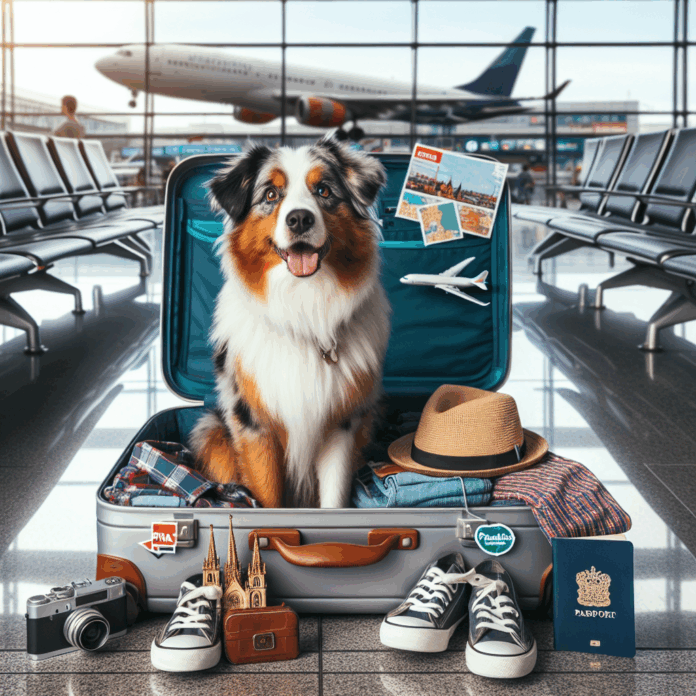
Traveling with your furry friend is one of life’s great joys, but it can also be a challenge. Whether you’re embarking on a short trip or venturing cross-country, ensuring your dog’s safety and comfort is paramount. This guide focuses on one of the most important aspects of dog travel: travel crates. Selecting the right crate can enhance the experience for both you and your pet, allowing for stress-free journeys and memorable adventures.
Understanding Dog Travel Crates
Why Use a Crate?
Travel crates serve several critical purposes:
- Safety: In the event of a sudden stop or accident, a crate can prevent your dog from becoming a projectile, protecting them as well as passengers in the vehicle.
- Security: Dogs can be anxious travelers. A familiar crate can provide a safe haven that helps stabilize their nerves.
- Acclimation: Modern crates are designed to be comfortable and inviting. Training your dog to love their crate ensures they see it as a space of comfort, not confinement.
Types of Travel Crates
When considering options for dog travel crates, several designs cater to different needs:
Soft-Sided Crates: Made from fabric and mesh, these crates are lightweight and portable. They are ideal for well-behaved dogs and are often used for air travel as they can be more versatile in accommodating the airlines’ regulations.
Hard-Sided Crates: These robust plastic or metal constructions offer excellent durability and security. Hard-sided crates are usually recommended for larger dogs or those that might chew or scratch in a soft crate.
Wire Crates: These crates provide good ventilation and visibility, making them a comfortable option for many dogs. They are collapsible for easy storage but might be less suited for travel due to their weight.
- Foldable/Portable Crates: These versatile crates are designed for easy setup and breakdown. They may be made from either fabric or metal and can be great for seamless travel.
Choosing the Right Size
When selecting a crate, size matters. Your dog should have enough room to:
- Stand up without hitting their head.
- Turn around comfortably.
- Lie down in a natural position.
As a general rule, measure your dog from nose to tail and then add a few inches for comfort. If you’re torn between two sizes, opt for the larger one to ensure ample space.
Material Consideration
The material of the crate affects both safety and comfort:
- Plastic crates are robust and easier to clean but may not provide as much visibility for your pet.
- Fabric crates are lightweight and comfortable but can wear out faster and may not withstand the roughhousing of active dogs.
- Metal crates offer great ventilation and durability but can be heavy and cumbersome.
Preparing Your Dog for Travel
Crate Training
Prior to your road trip, it’s essential to crate train your dog if they’re not already familiar with one. Here are some steps to get started:
- Introduce the Crate: Place it in a familiar area of your home and encourage your dog to explore it. Use treats, toys, and positive reinforcement.
- Start with Short Periods: Begin closing the door while they’re inside for short amounts of time, gradually increasing the duration as they become comfortable.
- Create Positive Associations: Use their favorite blanket or toy inside the crate to make it more inviting.
Familiarizing Your Dog with Car Rides
If your dog is not accustomed to car rides, start with short excursions to acclimate them to the experience. Gradually increase the distance while keeping essential supplies like water, travel bowls, and a favorite toy handy.
Packing Essentials for Your Trip
Make sure to gather the necessary items for your journey:
- ID and Leash: Always ensure your dog has an ID tag and a lease handy for bathroom breaks.
- Food and Water: Environment can change; therefore, pack enough food and a travel water bowl.
- Poo Bags: Always clean after your pet while on the road.
- First Aid Kit: A well-stocked doggy first aid kit can address unforeseen injuries.
- Familiar Items: Packing your dog’s bedding, toys, or blanket can ease anxiety during travel.
Staying Safe on the Road
Securing the Crate
Ensure your crate is securely strapped in place or positioned in the back seat to minimize the risk of movement while driving. Avoid placing it in the front seat as airbags can pose a risk.
Frequent Breaks
Plan to make regular stops for bathroom breaks, exercise, and hydration. Dogs thrive on routine and regular breaks can keep them relaxed.
Avoiding Extreme Temperatures
Never leave your dog in a parked car, especially in extreme temperatures. If you must run into a convenience store or gas station, take your dog inside with you if possible. Always prioritize your pet’s comfort and safety.
Traveling by Air
When traveling by plane, check specific airline requirements in advance. Many airlines will have guidelines for crate type, size, and materials. Additionally, book flights during cooler parts of the day when air travel is typically less stressful for pets.
Maintenance and Care of Your Crate
Regardless of the type of crate, regular cleaning is essential for hygienic travel. Depending on the material, crates can usually be wiped down with pet-safe cleaners. Wash soft covers according to the manufacturer’s instructions.
FAQs
1. How long can a dog stay in a travel crate?
Dogs should not be confined for extended periods. For adult dogs, aim for no more than 4-6 hours. Puppies, due to their smaller bladders, may need more frequent breaks.
2. Can I use a regular dog crate for travel?
Yes, as long as the crate meets safety standards and your dog has enough space. However, specific travel crates may be better suited for road trips or air travel.
3. What if my dog doesn’t like the crate?
To encourage crate comfort, use positive reinforcement. Slowly acclimate your dog to the crate by rewarding their time inside.
4. Are there airline regulations regarding dog crates?
Yes, each airline has its own requirements. Always check specific rules related to crate types and sizes before booking.
5. What can I do to prevent my dog from getting car sick?
Before travel, limit food intake to avoid an upset stomach. Consult your veterinarian for advice on medication if your dog often experiences car sickness.
Conclusion
Traveling with your dog can be a rewarding experience as long as you’re well-prepared. Selecting the right dog travel crate, familiarizing your pet with it, and ensuring their comfort will all contribute to a successful journey. Remember to keep safety and comfort at the forefront of your plans, and both you and your furry companion can enjoy exploring the open road together!

