

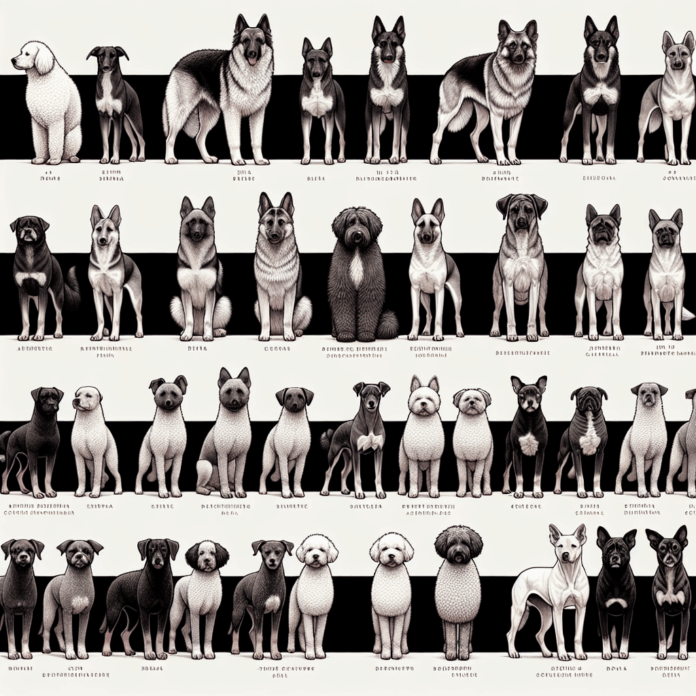
Bringing a dog into your life is a rewarding and fulfilling experience. However, choosing the right breed can be a daunting task. With hundreds of breeds to consider, understanding dog breed groups and what each group entails is essential for making an informed decision. This article will guide you through various breed groups, helping you find your perfect match.
Understanding Dog Breed Groups
The American Kennel Club (AKC) categorizes dog breeds into specific groups based on their history, purpose, and characteristics. While there are numerous breeds, each group shares common traits that can significantly influence your choice.
1. Sporting Group
Dogs in the Sporting Group are known for their active and energetic nature. Breeds such as Labrador Retrievers, Golden Retrievers, and Cocker Spaniels excel in activities like hunting, swimming, and retrieving. If you lead an active lifestyle and enjoy outdoor activities, a dog from the Sporting Group may be the right choice for you.
Key Traits:
- Energetic: Requires regular exercise.
- Friendly: Generally good with families and kids.
- Intelligent: Quick learners, often excel in training.
2. Hound Group
Hound dogs are distinguished primarily by their keen sense of smell and strong hunting instincts. Breeds like Beagles, Dachshunds, and Bloodhounds are known for tracking scents and pursuing game. If you’re drawn to a dog that possesses a strong instinct for exploration, consider adopting a hound.
Key Traits:
- Curious: Enjoys exploring their environment.
- Vocal: Many breeds in this group are known for their unique barks or howls.
- Independent: Can sometimes be aloof or stubborn.
3. Working Group
Working dogs perform specific tasks, such as guarding property, pulling sleds, or performing rescue operations. Breeds like Siberian Huskies, Rottweilers, and Doberman Pinschers belong to this group. If you’re looking for a dog that can assist in tasks or provides protection, a working breed might be right for you.
Key Traits:
- Strong: Typically have a high level of physical strength.
- Intelligent: Generally require mental stimulation and training.
- Loyal: Often form strong bonds with their families.
4. Terrier Group
Terriers are known for their feisty and spirited personalities. They were originally bred to hunt vermin, and breeds like the American Staffordshire Terrier, Jack Russell Terrier, and Scottish Terrier often exhibit high energy levels. If you want a dog that is both playful and tenacious, a terrier could be the ideal match.
Key Traits:
- Energetic: Requires daily exercise and playtime.
- Vigilant: Often serves as excellent watchdogs.
- Strong-willed: May require consistent training and socialization.
5. Toy Group
Toy breeds, such as Chihuahuas, Pomeranians, and Yorkshire Terriers, are perfect for individuals or families that live in smaller spaces. These compact companions offer companionship without requiring extensive exercise. If you’re seeking a pet that can thrive in an apartment or smaller home, a toy breed may be the way to go.
Key Traits:
- Affectionate: Often develop a strong bond with their owners.
- Low-exercise needs: Generally, require less physical activity than larger breeds.
- Vulnerable: Usually need protection from larger animals and rough play.
6. Non-Sporting Group
This group comprises a diverse collection of breeds that don’t fall into other categories. Breeds like Bulldogs, Dalmatians, and Shiba Inus showcase a variety of characteristics and temperaments. Because of their diversity, these dogs can fit well into various lifestyles.
Key Traits:
- Varied exercise needs: Depending on the specific breed.
- Unique personalities: Each breed has its own set of quirks and traits.
- Generally adaptable: Can fit into various living situations.
7. Herding Group
Herding dogs are known for their intelligence and ability to control the movement of other animals. Breeds like the Border Collie, German Shepherd, and Australian Shepherd excel in tasks like herding livestock and performing tricks. If you want an active, intelligent dog that enjoys having a job, a herding breed could be your ideal companion.
Key Traits:
- Highly trainable: Excels in obedience and agility.
- Energetic: Requires physical and mental stimulation.
- Social: Often enjoy the company of other pets and humans.
Factors to Consider When Choosing a Dog Breed
Lifestyle and Activity Level
Assess your lifestyle before selecting a breed. Do you enjoy outdoor activities? Consider an active breed like a Retriever. Have a more sedentary lifestyle? A low-energy breed may suit you better.
Space
The space you have available for a dog plays a crucial role. Larger breeds or active dogs may require more room to roam, while smaller or less active breeds can thrive in smaller areas.
Family Dynamics
Consider your family situation. Do you have young children or other pets? Certain breeds may be more compatible with your lifestyle, so research family-friendly dogs.
Grooming Requirements
Different breeds require varying levels of grooming. Some dogs shed heavily and need regular brushing, while others may require professional grooming. Choose a breed whose grooming habits fit your lifestyle.
Allergies
If you or a family member has allergies, consider hypoallergenic breeds, such as Poodles or Bichon Frises, which typically produce less dander.
FAQs
What breed is best for first-time dog owners?
Breeds like Labrador Retrievers, Golden Retrievers, and Cavalier King Charles Spaniels are often considered excellent choices for first-time owners due to their friendly and trainable nature.
How do I know if a breed is suitable for my family?
Research breed profiles and consider factors like size, temperament, and exercise requirements. Additionally, consult with breeders or shelters for insights into the dog’s behavior.
What if I want a dog for a specific task, like guarding or herding?
Consider breeds from the Working or Herding Groups, such as Rottweilers for guarding or Border Collies for herding. These breeds are bred for specific tasks and will likely excel in them.
Are mixed-breed dogs a good choice?
Mixed-breed dogs can be wonderful companions, often combining the best traits of their parent breeds. They can also be healthier due to hybrid vigor, but understanding their potential behavior can be tricky.
How much exercise does an average dog need?
Most dogs require at least 30 minutes to two hours of physical activity daily, depending on the breed. Some high-energy breeds may require more exercise to keep them happy and healthy.
What resources are available for learning about different breeds?
Reputable websites, books, and dog clubs can provide a wealth of information about various breeds. Many animal shelters and rescue organizations also provide insights into behavioral traits and needs.
Conclusion
Choosing the right dog breed group is crucial in ensuring a harmonious and fulfilling relationship with your new furry companion. By considering your lifestyle, space, family dynamics, and the traits of various breed groups, you will be better equipped to find your perfect match. Remember, this decision is not just about finding a dog; it’s about finding a loving partner for your life’s adventures. Happy dog hunting!

