

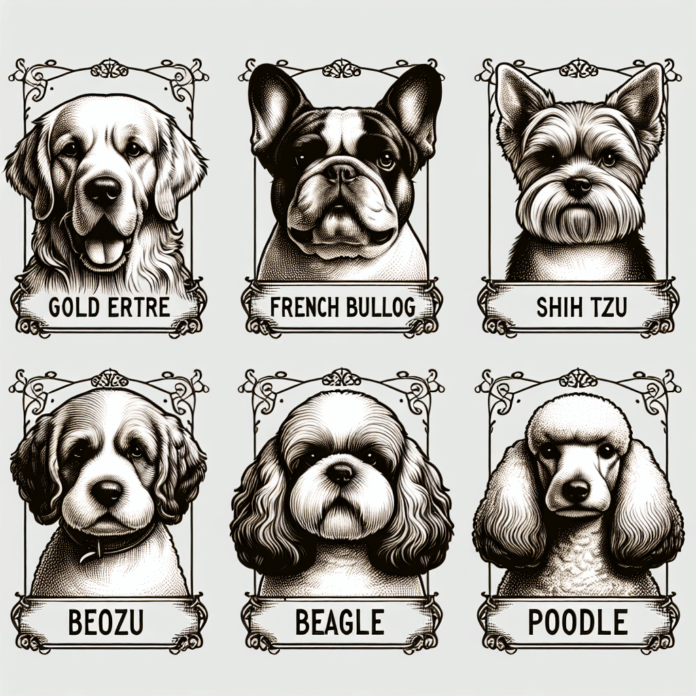
When it comes to choosing a dog, the decision often boils down to size. Smaller breeds, often dubbed "tiny titans," bring unique characteristics that can make them delightful companions in various environments. Conversely, the larger breeds, or "gentle giants," can offer their own set of benefits and challenges. This article explores the pros and cons of both small and large dog breeds, allowing potential dog owners to make informed decisions suited to their lifestyles.
Understanding Small Dog Breeds
Advantages of Small Dogs
Space Efficiency: Small dogs require less living space, making them ideal for apartment dwellers or those with limited outdoor areas.
Easier Transport: They are often easier to carry or transport, fitting conveniently into bags or carriers when traveling.
Lower Food Costs: Smaller dogs typically eat less than their larger counterparts, leading to lower food expenses over time.
Less Exercise Requirement: While all dogs need exercise, small breeds usually demand less rigorous activity, which can be beneficial for owners with less physical energy.
- Great Companions for Seniors: Smaller breeds tend to be less intimidating and easier for older adults to manage, making them suitable companions.
Disadvantages of Small Dogs
Fragility: Many small breeds are more susceptible to health issues and injuries due to their size. They can be easily hurt if handled roughly or during accidental falls.
Behavioral Issues: Some small dogs exhibit “Small Dog Syndrome,” where they may display aggressive or dominating behaviors because they feel threatened by larger dogs.
Barking: Small dogs can be prone to excessive barking, which may become a nuisance and could lead to neighborhood complaints.
- Training Challenges: Their small size can sometimes lead owners to underestimate their needs and mismanage their behavior, contributing to a lack of obedience.
Understanding Large Dog Breeds
Advantages of Large Dogs
Guarding Instincts: Many larger breeds naturally offer protective capabilities, making them excellent watchdogs or family protectors.
Affectionate Nature: Larger dogs often have gentle temperaments and can be incredibly loving, making them great family pets, especially with children.
Higher Athletic Capability: Larger breeds often excel in physical activities, such as hiking or running, making them perfect companions for active individuals or families.
Longevity of Outdoors: In broader spaces, large dogs can run and play more freely, which can contribute to healthier lifestyles for both the dog and the owner.
- Trainability: Many large breeds are highly trainable and can understand complex commands, making them versatile companions.
Disadvantages of Large Dogs
Space Requirements: Large dogs generally need plenty of space to move and play, making them less suitable for small living environments.
Higher Costs: Food, vet care, grooming, and supplies can be significantly more expensive for larger breeds, impacting budget considerations.
Potential for Aggression: If not trained and socialized properly, larger dogs can pose a risk; their power can present a safety issue if they become aggressive.
Health Issues: Larger breeds can be more prone to certain health problems, such as hip dysplasia, heart conditions, and shorter lifespans.
- Exercise Needs: Larger dogs typically require more exercise than smaller breeds, demanding more time and energy from their owners.
Making the Right Choice
The decision between a small or large dog should be based on various factors, including living conditions, lifestyle, and personal preferences. Here are some considerations to keep in mind:
Living Situation: Assess your home environment. Do you have enough space for a large dog, or would a small breed be more suitable?
Time Commitment: Understand the daily commitment required for exercising and caring for the dog.
Family Dynamics: If you have young children, consider the temperament and size of the dog to ensure compatibility.
Lifestyle: Choose a breed that aligns with your activity level; if you enjoy outdoor adventures, a larger, active breed might be ideal.
- Financial Considerations: Be realistic about the financial aspect of dog ownership, from food to healthcare.
FAQs
1. Do small dogs require less grooming than large dogs?
Not necessarily. Grooming needs depend more on the breed’s coat type than size. Some small breeds have long, thick coats that require frequent grooming, while some large dogs with short coats may need only occasional grooming.
2. Are small dogs more aggressive than large dogs?
Aggression primarily depends on the individual dog’s temperament and socialization rather than its size. However, smaller dogs can exhibit aggressive behavior due to anxiety or fear often linked to their perceived vulnerability.
3. Can I train a large dog to be good with children?
Absolutely! Proper training and socialization from a young age can teach large dogs to act appropriately around children. Consistent reinforcement of good behavior is key.
4. What are some small breeds that are good for first-time dog owners?
Some small breeds suitable for first-time owners include the Cavalier King Charles Spaniel, Bichon Frise, and Pug, known for their friendly natures and adaptability.
5. Is it cheaper to own a small dog?
Typically, yes. Smaller dogs generally require less food, which can lead to lower overall costs. However, this can vary by breed and health needs.
6. Do large breeds live shorter lives than small breeds?
Generally, large breeds tend to have shorter lifespans than smaller breeds, mainly due to their size-related health issues. However, individual health care and genetics play a significant role in longevity.
7. What is the best way to socialize a small dog?
Socialization for small dogs involves exposing them to various environments, people, and other pets, ideally starting at a young age. Positive reinforcement and training classes can greatly assist in this process.
Conclusion
Both small and large dogs offer unique advantages and challenges. Understanding these can help potential dog owners align their lifestyles with a dog breed that fits their needs. Regardless of size, dogs can provide love, companionship, and joy, enriching our lives in countless ways. Taking the time to evaluate personal circumstances ensures a rewarding relationship with your furry friend.

