

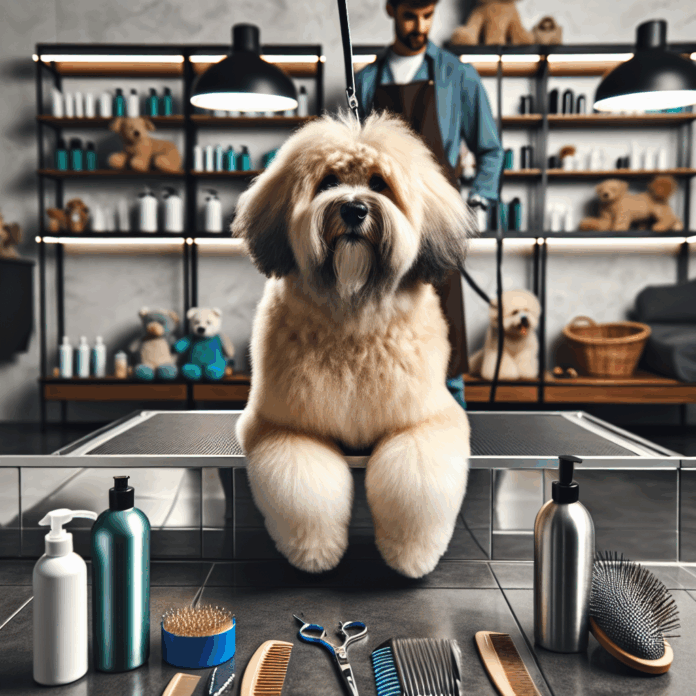
Bathing your dog at home can seem like a daunting task, but with the right approaches and a little preparation, it can be a fun bonding experience for both of you. Here, we’ll cover ten essential tips to help make the process smooth, efficient, and stress-free.
1. Choose the Right Location
Before you even get started, you need to decide where to bathe your dog. While some pet owners prefer using a bathtub, others find that a shower or even an outdoor space works better, especially during warmer months. Ideally, you want a space that’s easy to clean and has a non-slip surface to ensure your dog feels secure.
Tip: Use a shower attachment or hose for better control of the water flow.
2. Gather Your Supplies
Preparation is key! Having all your supplies at hand will minimize chaos and make the bathing process smoother. Here are some essentials to have ready:
- Dog shampoo: Opt for a formula that suits your dog’s skin type and coat. Hypoallergenic or oatmeal-based shampoos are great for sensitive skin.
- Towels: Keep several towels ready to dry your dog afterwards.
- Brushes: A good brush can help remove loose hair and tangles before and after the bath.
- Treats: Having some tasty treats on hand will reward your dog and make the experience more positive.
Tip: Avoid using human shampoos, as they can irritate your dog’s skin.
3. Brush Your Dog Before the Bath
Brushing your dog’s coat beforehand serves two primary purposes: it helps eliminate excess fur and tangles, and it makes the bathing process easier. Take your time and ensure you’re gentle, particularly in sensitive areas.
Tip: Use a slicker brush for medium to long-haired dogs and a bristle brush for shorter coats.
4. Check Water Temperature
The water temperature is crucial for your dog’s comfort. Too hot or too cold water can lead to a negative experience. Aim for lukewarm water, which is pleasant and won’t shock your dog.
Tip: Test the water with your wrist—if it feels comfortable to you, it’s likely comfortable for your dog.
5. Wet Your Dog Thoroughly
Begin by wetting your dog’s coat slowly to avoid startling them. You can use a handheld shower attachment or a plastic cup to pour water if you’re in a bathtub. Start from the neck and work your way down, avoiding the face initially.
Tip: Use a sponge for areas that are harder to reach, like the underbelly and legs.
6. Apply Shampoo
Once your dog is wet, it’s time to apply shampoo. Squeeze a small amount into your hands and gently lather it into your dog’s coat, starting from the neck down to the tail. Be thorough but gentle, especially around the sensitive areas like the face, eyes, and ears.
Tip: Dilute shampoo with some water before applying; it spreads more easily and rinses out better.
7. Rinse Thoroughly
Rinsing is a crucial step! Residue from shampoo can irritate your dog’s skin, so take your time to ensure all soap is fully rinsed out. Check behind the ears, between the toes, and any crevices where soap might hide.
Tip: Rinse twice if you feel uncertain that all the shampoo is out.
8. Dry Your Dog
Once you’ve rinsed thoroughly, it’s time to dry your dog. You can use a towel to pat them dry or use a pet-friendly blow dryer on a low setting. Many dogs enjoy the sensation of a blow dryer, but if yours is scared, stick to towels.
Tip: Make drying a fun game; tossing treats can make the process more enjoyable for your dog.
9. Clean Their Ears and Teeth
Bath time is a great opportunity to check your dog’s ears and brush their teeth. Use a vet-recommended ear cleaning solution to keep their ears clean and a dog-specific toothbrush and toothpaste for their teeth.
Tip: Make it a routine—this can help your dog associate bath time with positive experiences, like extra attention!
10. Reward and Praise
After the bath, be sure to reward your dog with treats, praise, or even a special play session. This positive reinforcement helps them associate bath time with good things and makes future baths easier.
Tip: Do not forget to clean up the bathing area once you’re done—this will help your dog feel more secure about future baths.
Conclusion
Bathing your dog at home doesn’t have to be a chore; with these ten essential tips, you can create a stress-free and enjoyable experience for both you and your furry friend. Remember, consistency is key—making bath time a regular part of your dog’s grooming routine will help them feel more comfortable with it. Soon, your dog might even look forward to their baths!
FAQs
1. How often should I bathe my dog?
This depends on your dog’s breed, lifestyle, and skin condition. Generally, most dogs require a bath every 4 to 6 weeks, but dogs with oily coats or those that spend a lot of time outdoors may need more frequent baths.
2. What should I do if my dog hates baths?
Try to make the experience more enjoyable by using treats, toys, or a gentle wash to distract them. You can also start with shorter, more frequent baths to habituate your dog gradually.
3. Can I use human shampoo on my dog?
No, human shampoos can disrupt your dog’s skin pH balance and cause irritation. Always use shampoo formulated specifically for dogs.
4. Is it safe to wash my dog outside?
Yes, washing your dog outside can be safe, especially in warmer months. Just ensure the area is secure and there are no slippery surfaces.
5. How do I handle my dog’s anxiety during baths?
Creating a calm environment and using soothing words can help. Some dogs benefit from anxiety wraps, and training to desensitize them to water can also help.
6. What if my dog gets water in their ears?
Make sure to dry the ears with a towel immediately after the bath, and check for moisture. If your dog frequently has issues with water in their ears, consider using ear flaps or visit your veterinarian for advice.
By following these tips and addressing your dog’s unique needs, bath time can transform from a dreaded chore into a pawsitive experience!

