

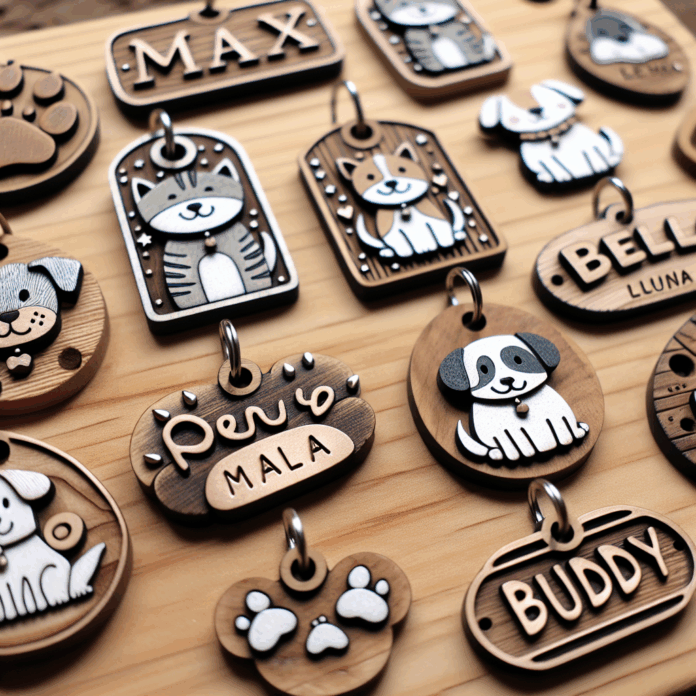
Choosing a name for your new canine companion is one of the most delightful yet challenging tasks for any pet owner. A name often serves as a reflection of your dog’s personality, breed, and unique traits. The right name can enhance communication between you and your furry friend, making it easier for both of you to connect. In this article, we’ll explore how to select the ideal name based on your dog’s distinctive features and behaviors, along with practical tips, examples, and frequently asked questions.
Understanding Your Dog’s Behavior and Traits
Before you can accurately name your dog, it’s important to observe their behavior and personality. Dogs display a range of traits that can guide you in choosing a fitting name. Consider aspects such as:
1. Physical Characteristics
- Size: A small dog may suit a name like "Pixie" or "Tiny," while a larger breed might be better called "Titan" or "Bear."
- Color: The color of your dog’s coat can also inspire names. For example, a golden retriever might be named "Sunny," while a black Labrador could be called "Shadow."
2. Personality Traits
- Playful: If your dog loves to frolic and play, a name like "Jester" or "Bubbles" could be appropriate.
- Calm: Conversely, if your dog has a more serene demeanor, names like "Zen" or "Whisper" would suit them well.
3. Breed-Specific Traits
- Certain breeds come with expectations in behavior that can also inspire names:
- Herding Dogs: Breeds like Border Collies often display intelligence and agility, leading to names like "Einstein" or "Dash."
- Terriers: These can be feisty and energetic, which could inspire names like "Spunky" or "Tornado."
Cultural and Creative Influences
Naming your dog can also be a cultural or creative process. Many pet owners look to literature, mythology, and pop culture for inspiration. Here are some ideas:
1. Literature and Film
- Names from beloved books or movies can carry charm. For example, you might name your dog after a heroic character like "Frodo" from "The Lord of the Rings" or a playful character like "Dobby" from "Harry Potter."
2. Mythological Names
- Mythology provides a smorgasbord of regal or mystical names. For instance, a dog with a courageous demeanor might be named "Thor," while a graceful dog could be called "Athena."
3. Food and Drinks
- Some pet owners choose names based on culinary delights. "Mocha," "Peanut," or "Biscuit" might resonate well with a dog who shares their love for food.
Practical Tips for Naming Your Dog
Now that you’ve considered various influences, here are some practical steps you can take to finalize the perfect name for your dog:
1. Keep it Short and Simple
- Dogs respond best to shorter names. Aim for one or two syllables to help your pet recognize their name easily.
2. Avoid Confusing Sounds
- Avoid names that sound similar to common commands like "Sit" or "Stay." The last thing you want is your dog confusing its name with a command!
3. Say It Out Loud
- Before making a final decision, say the name out loud several times. Does it roll off the tongue easily? Does it feel natural? If it feels good to say, it’s likely the right choice.
4. Consider the Future
- Think about whether the name will still suit your dog as they grow. A name that feels fitting for a puppy may feel less appropriate for an adult dog, so choose wisely.
Examples of Dog Names Based on Unique Traits
Here are some examples to illustrate how various traits can inspire dog names:
1. Active and Energetic
- If your dog is full of energy, names like "Rocket," "Dash," or "Ziggy" might resonate with their lively spirit.
2. Mellow and Laid-back
- For a dog that enjoys napping and lounging, consider names like "Chill," "Cloud," or "Snoozer."
3. Intelligent and Obedient
- Intelligent breeds can be honored with names like "Clever," "Scholar," or "Professor."
4. Affectionate and Loyal
- For dogs that are loving and loyal, names like "Buddy," "Heart," or "Cuddle" can capture their affectionate nature.
The Emotional Connection of Names
Names carry emotional weight. When you spend time nurturing and bonding with your dog, the name you choose can become more than just a label; it can symbolize companionship and love. A well-chosen name can create a strong emotional connection, enriching the relationship you have with your furry friend.
FAQs
1. Should I choose a name based on my dog’s breed?
- While breed can provide insight into personality and behavior, it’s even more important to consider your individual dog’s traits. Tailor the name to your dog’s unique characteristics.
2. What if I have multiple dogs?
- If you have more than one dog, choose names that are distinct enough to prevent confusion. For example, you might want to avoid "Max" and "Mack."
3. How can I train my dog to recognize their name?
- Use positive reinforcement when calling your dog by their name. Reward them when they respond to help them associate the name with attention and affection.
4. Can I change my dog’s name later?
- Yes, you can change your dog’s name if you feel it doesn’t suit them. Just introduce the new name gradually, and reinforce it with treats and affection.
5. What are some trendy dog names?
- Names come in and out of style just like baby names. Current trends often feature human names like "Charlie" or "Luna," and unique twists like "Waffles" or "Noodle."
Conclusion
Naming your dog is a meaningful process that extends beyond mere words; it’s a chance to honor their individuality and strengthen your bond. By paying attention to their unique traits, considering cultural influences, and following practical naming tips, you can find the perfect name that truly encapsulates the essence of your furry friend. Enjoy this creative journey, and remember that the best name is one that resonates with love and joy for both of you!

