

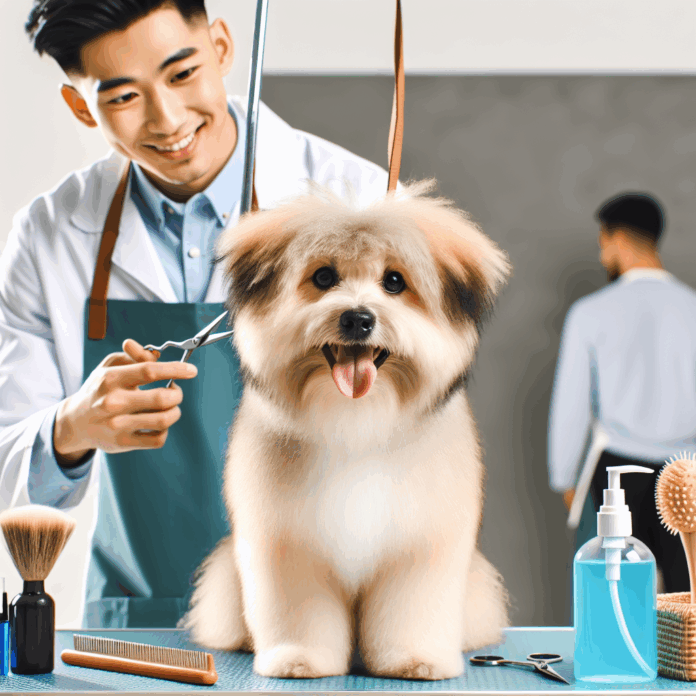
When it comes to dog ownership, one of the essential aspects that can significantly impact your furry friend’s health and happiness is grooming. A well-groomed dog not only looks good but also feels good. Understanding that every breed has unique grooming needs is crucial; this is where customized grooming schedules come into play. Here, we explore the importance of tailored grooming routines, the specific needs of various breeds, and the best practices to ensure your dog stays “pawsitively perfect” throughout its life.
Understanding the Need for Customized Grooming
Every dog breed has its own characteristics, including variations in coat type, length, and texture, as well as differences in skin sensitivity and growth patterns. By customizing grooming schedules to cater to these individual needs, you can enhance your dog’s overall appearance, health, and well-being. A one-size-fits-all approach is rarely effective; instead, the focus should be on specific breed characteristics.
The Importance of Grooming
Hygiene: Regular grooming helps prevent matting, reduces shedding, and eliminates dirt and debris. It also minimizes the risk of skin infections and associated health issues.
Health Monitoring: Grooming gives you an opportunity to check for any unusual signs, such as lumps, bumps, or irritated skin. These early detections can lead to timely veterinary intervention.
Bonding Time: Grooming can also strengthen the bond between you and your dog. The grooming process provides a great opportunity to provide affection and ensure your pet feels loved.
- Behavioral Needs: Some dogs require more attention than others. A consistent grooming schedule can help with behavior management by tiring them out, thereby reducing unwanted behaviors.
Customized Grooming Based on Coat Type
Short-Haired Breeds
Short-haired dogs, like Beagles and Boxers, generally require less grooming than their long-haired counterparts. They benefit from:
- Brushing: Weekly brushing with a soft-bristle brush can help remove loose hair. This is particularly important during shedding seasons.
- Bathing: Every 4-6 months, using a dog-specific shampoo is sufficient unless they become particularly dirty or smelly.
- Ear and Nail Care: Regular checks for dirt buildup in the ears and keeping nails trimmed is essential for their health.
Long-Haired Breeds
Long-haired breeds, such as Golden Retrievers and Yorkshire Terriers, call for more specialized care:
- Brushing: Daily brushing is critical to avoid tangles and matting. Tools like slicker brushes and combs should be utilized to penetrate deeply into the coat.
- Bathing: Every 4-6 weeks, using a quality shampoo and conditioner is advisable to maintain coat integrity and shine.
- Professional Grooming: Many long-haired breeds benefit from regular trips to a professional groomer for tasks like trimming and detangling.
Curly-Coated Breeds
Dogs like Poodles and Portuguese Water Dogs have unique curly coats that require specialized attention:
- Brushing: Every other day brushing with a pin brush can help avoid matting.
- Bathing: Every 3-4 weeks is recommended, along with regular use of conditioner to keep the curls defined and healthy.
- Professional Grooming: Regular grooming by professionals familiar with curly coats will help maintain their shape and style.
Wiry-Coated Breeds
Wiry breeds, including Terriers, need a specific grooming routine:
- Brushing: Weekly brushing with a bristle brush or comb helps keep the hair tidy.
- Hand-Stripping: Some wiry breeds benefit from hand-stripping, a technique best performed by a professional.
- Bathing: Every few months, ensuring to use a shampoo that maintains their harsh coat texture.
Seasonal Considerations
Adjusting grooming schedules according to the season can also have a huge impact. For instance, many dogs shed more in spring and fall, which means increased grooming sessions may be needed during these times.
Summer Care: For breeds with thick double coats (like Huskies), a thorough grooming can help them stay cool. While it’s a misconception that you should shave them in summer, a good de-shedding can make a difference.
- Winter Preparation: Keeping coats longer in winter can add protection against cold; however, grooming is still vital to eliminate moisture and dirt buildup.
Creating a Customized Schedule
Frequency: Determine how often your dog needs grooming based on their breed, coat type, and age.
Tasks: Break down tasks such as brushing, bathing, and nail trimming into the schedule to make sure nothing is overlooked.
Monitoring: Regularly check your dog’s skin, ears, and nails between grooming sessions to catch any issues early.
- Consult a Professional: Finally, seeking guidance from a professional groomer can provide additional insights tailored to your specific dog’s needs.
FAQs
Q1: How often should I groom my dog?
A1: It depends on the breed and coat type. Short-haired breeds might require grooming every few weeks, while long-haired or curly-haired breeds often need daily brushing and regular professional grooming.
Q2: Can I groom my dog at home?
A2: Yes! Many grooming tasks like brushing and nail trimming can be done at home. However, for complex features such as hand-stripping or specific styles, it’s best to consult a professional groomer.
Q3: What tools do I need for grooming?
A3: Essential grooming tools include brushes (slickers, pin brushes, bristle brushes), combs, clippers, nail trimmers, and dog shampoos. Each breed may require specific tools, so research your dog’s needs.
Q4: What should I do if my dog dislikes grooming?
A4: Start slow, using treats to create a positive association. Gradually introduce grooming tools and sessions to help your dog feel more comfortable over time.
Q5: How can I tell if my dog needs grooming?
A5: Signs include excessive shedding, visible mats or tangles, a dirty coat, and overgrown nails. Regular grooming checks can help catch these issues early.
Conclusion
In essence, grooming is much more than a simple aesthetic endeavor; it’s a fundamental aspect of dog care that contributes to health, well-being, and a thriving bond between pet and owner. Customizing grooming schedules to meet the unique requirements of each breed enhances the grooming process, ensuring each dog remains “pawsitively perfect.” By prioritizing grooming, you pave the way for a happier, healthier life for your beloved furry companion.

