

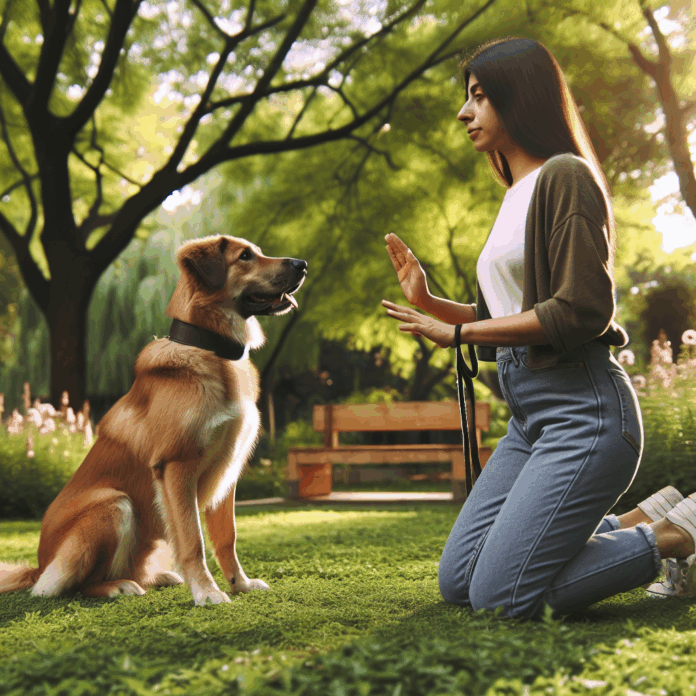
Socializing your dog is one of the most critical aspects of responsible pet ownership. This process not only helps your furry friend become more comfortable in various environments but also fosters a sense of confidence, reducing issues such as fear or aggression towards other dogs or people. In this guide, you’ll discover essential techniques, tips, and the benefits of effective socialization, as well as answers to some frequently asked questions.
The Importance of Socialization
Socialization is about exposing your dog to a variety of situations—people, animals, environments, and experiences—during their formative stages. The ideal time for socialization is between three and fourteen weeks of age, known as the critical socialization period. However, it’s never too late to socialize a dog. Regardless of age, dogs can learn new behaviors and adapt to varied environments.
Preventing Behavioral Issues
Proper socialization can prevent behavioral problems such as aggression, anxiety, or excessive barking. Unsocialized dogs may react negatively to unfamiliar stimuli, which can lead to fear-based responses. By introducing your dog to new experiences gradually and positively, you can help them grow into a well-adjusted adult.
Building Healthy Relationships
Socializing your dog promotes better relationships—not only between them and other animals but also with humans. A well-socialized dog is often more approachable and easier to manage in public settings, making outings a joy for both of you.
Steps to Socialize Your Dog
1. Start Early
If possible, begin socializing your dog while they are still a puppy. Early exposure to a variety of people and environments is crucial. However, don’t worry if you have an older dog; you can still successfully socialize them by using different techniques.
2. Gradual Introductions
Begin with short and pleasant introductions. The aim is to avoid overwhelming your dog. You can introduce them to:
- People: Start with familiar faces before introducing new individuals. Allow your dog to approach at their pace.
- Other Dogs: Arrange playdates with other dogs who are well-behaved and friendly. Observe their interactions closely.
- Different Environments: Take your dog to parks, busy streets, or pet-friendly businesses. Let them explore while keeping them on a leash for safety.
3. Positive Reinforcement
Associating new experiences with positive outcomes is vital. Use treats, toys, or praise to reward your dog for calm behavior during social interactions. This creates a positive correlation in their mind, encouraging them to engage with new experiences confidently.
4. Controlled Environments
Introduce your dog to various controlled environments where they can meet different stimuli safely. For example:
- Puppy Classes: Enrolling your dog in a puppy socialization class can provide structured environments and encourage interactions with other puppies.
- Dog Parks: Once your dog has learned some basic commands, consider taking them to a dog park where they can interact freely with others.
5. Socializing with Humans
Expose your dog to various types of people, including men, women, and children, to ensure they become accustomed to different social interactions. Ask friends and family to help with this process by visiting your home.
6. Leash Training
Teach your dog to walk nicely on a leash. A well-leashed dog is safer in public. This training reduces unwanted behaviors and helps you manage their interactions with other pets and people more effectively.
7. Monitoring Body Language
Learn to recognize your dog’s body language. Signs of stress or discomfort, such as raised hackles, excessive panting, or ear positioning, are indicators that your dog may need a break from the situation. Respect their feelings, and always allow them to retreat if needed.
8. Gradual Exposure to Sounds and Environments
Introduce your dog gradually to different sounds (like loud noises) and environments (like busy sidewalks). Expose them to these experiences while providing comfort and reassurance, ensuring they feel secure.
The Benefits of Socialization
- Enhanced Confidence: Socialized dogs tend to be more confident and less anxious in varied situations.
- Better Behavior: A well-socialized dog is generally easier to manage as they are less likely to develop anxiety or aggression toward unfamiliar stimuli.
- Healthy Interactions: Proper socialization fosters polite behavior with both human and animal companions, leading to happier interactions.
- Stronger Bond: Regular social outings enhance the bond between you and your dog by creating shared experiences and fostering trust.
Common Challenges and Solutions
Fear or Anxiety
If your dog appears fearful during new experiences, it’s essential to take baby steps. Gradually expose them to the feared object or situation without forcing them. Reward calm behavior, and never punish your dog for being scared.
Overexcitement
Some dogs may become overly excited when meeting others. In such cases, practice commands like “sit” or “stay” to help them calm down. Keep interactions short and rewarding, gradually extending their duration as your dog learns to manage their excitement.
Aggressive Behavior
If your dog displays aggressive behavior, it is crucial to seek professional help. Aggression can stem from fear or insecurity, and a trained behaviorist can offer tailored strategies.
Frequently Asked Questions (FAQs)
1. What if my dog is already older? Can I still socialize them?
Absolutely! Dogs of any age can learn to adapt and socialize. The techniques may require more patience, but gradual exposure and positive reinforcement will be beneficial.
2. How long does socialization take?
The length of time required for effective socialization varies from dog to dog. Early socialization during the puppy stage may take a few weeks, while older dogs may take longer depending on their previous experiences.
3. Is it normal for my dog to be nervous in new situations?
Yes, it is entirely normal. Just remember to be patient and take things slowly, giving your dog the support they need during their learning process.
4. How can I tell if my dog is well-socialized?
A well-socialized dog will exhibit good manners when interacting with people and other pets, show curiosity rather than fear, and be easier to control in different environments.
5. Should I always use treats during socialization?
While treats are a great way to encourage positive behavior, you can also use praise, toys, or play. The key is to find what motivates your dog the most.
6. How often should I socialize my dog?
Regularly socializing your dog, ideally on a weekly basis or more frequently, will reinforce the positive learning experiences. Incorporate socialization into your routine to help your dog thrive.
Conclusion
Socializing your dog is an ongoing journey. With patience, education, and positive reinforcement, you can help your furry companion develop into a friendly and well-adjusted member of your family. By following the steps outlined in this guide, you will equip your dog with the tools they need to navigate the world confidently and happily.

