

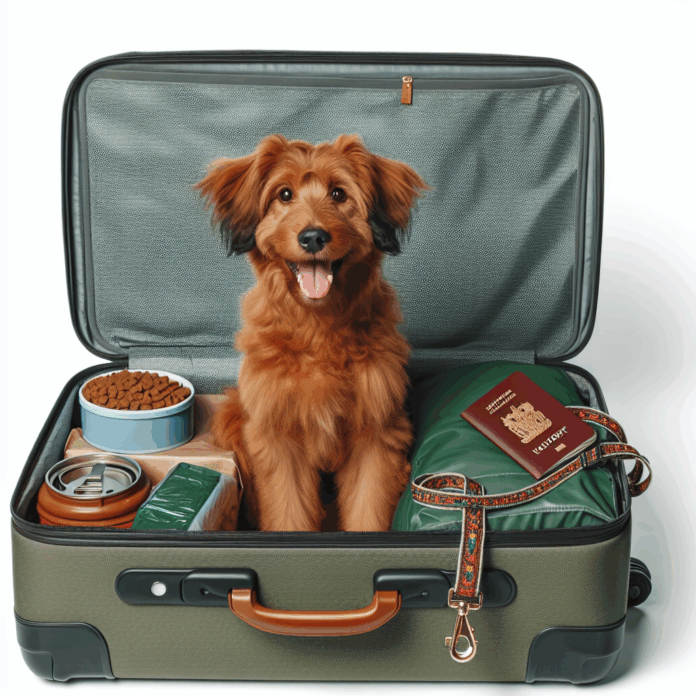
Welcoming a furry friend into your home is an exciting adventure filled with joy, love, and, let’s not forget, the unpredictability of a playful pup. Just like any big change in life, bringing a dog into your family requires preparation—especially when it comes to dog-proofing your living space. Dogs, with their inquisitive nature and playful instincts, can easily get into mischief if the proper precautions aren’t taken. This guide provides a comprehensive approach to making your home a safe haven for your new canine companion.
Understanding Dog Behavior
Before diving into how to dog-proof your home, it’s crucial to understand canine behavior. Dogs are natural explorers, often using their mouths to investigate the world around them. This curiosity can lead to chewing on furniture, consuming hazardous objects, or knocking things over in their path. Recognizing these behaviors can help you implement effective safety measures.
Assessing Your Space
The first step in dog-proofing your home is to assess your space. Walk through your home like a dog would, examining areas that might be hazardous.
- Living Room: Look for exposed electrical cords, accessible small objects, and anything of value that could be knocked over.
- Kitchen: This area often contains chemicals, sharp objects, and food temptations. Ensure cabinets are secured and food is stored securely.
- Bathroom: Toiletries, medications, and cleaning supplies should be out of reach.
- Bedrooms: Personal items like shoes, clothing, and valuables should not be left on the floor.
Essential Dog-Proofing Steps
1. Secure Hazardous Items
First and foremost, place hazardous items such as cleaning supplies, medications, and sharp objects out of reach. Invest in child-proof locks for cabinets and secure any items that your dog might be tempted to explore.
2. Electrical Cords
Dogs love to chew, and electrical cords can be particularly enticing. Protect these cords with cord covers or consider moving furniture to eliminate access to them.
3. Furniture Protection
Cover or remove items from tables that your dog might be tempted to knock over. If your dog is a chewer, opt for durable furniture materials that can withstand some wear and tear.
4. Safe Zones
Designate a specific area where your dog can feel safe and secure. This could be a crate, a specific room, or an area with their bed and toys. Use baby gates to confine your dog to safe zones if necessary.
5. Plant Safety
Many household plants are toxic to dogs, including azaleas, lilies, and sago palms. Research which plants are safe for dogs and remove any that could pose a risk.
6. Food Storage
Ensure all food is stored in sealed containers to prevent accidental ingestion. Pay special attention to specialty items that may be tempting to dogs, such as chocolate, grapes, and xylitol-sweetened products.
7. Garden and Outdoor Safety
If you have a yard, ensure it is securely fenced. Regularly check for any holes or weak spots that could allow your dog to escape. Keep potentially harmful items, like fertilizers and tools, locked away or out of reach.
8. Toys and Chewables
Provide a variety of dog-safe toys to satisfy their chewing instincts. Make sure to rotate toys to keep your dog engaged and prevent boredom.
9. Supervision and Training
No matter how well-protected your home is, supervision is critical, especially during the initial acclimation period. Training your dog to understand what is acceptable to chew, play with, and explore can significantly enhance their safety.
10. Emergency Preparedness
Lastly, prepare for emergencies. Keep a list of emergency contacts (veterinarians, animal poison control, nearby pet clinics) readily available. Knowing what to do in case of accidental ingestion of toxic substances is vital for the safety of your dog.
Additional Considerations
1. Traveling with Your Dog
When traveling, ensure your vehicle is also pet-friendly, with a secure crate or harness to prevent distractions while driving.
2. House Rules
Establish house rules consistent with your dog’s behavior. Decide if certain areas are off-limits and communicate these rules with family members and guests.
3. Guest Awareness
Inform guests about your dog’s behavior and triggers. This can prevent awkward situations and ensure everyone has a comfortable experience in your home.
Conclusion
Dog-proofing your home is an essential part of preparing for a new furry friend. By recognizing potential hazards and taking proactive measures, you create a safer, more enjoyable environment for both you and your dog. Remember, the goal is not just to protect your belongings but also to promote a happy and healthy living space for your beloved pet.
FAQs about Dog-Proofing Your Home
1. How do I know if a plant is toxic to my dog?
Many resources are available online, including ASPCA’s list of toxic and non-toxic plants. Before purchasing any plants, do your research.
2. Is it enough to just remove hazardous items from the floor?
While removing hazardous items is crucial, you should also secure items in cabinets and ensure that your entire living environment is dog-friendly.
3. Can I train my dog not to chew on furniture?
Yes, with consistent training, redirecting their chewing behavior to appropriate toys, and using sprays that deter chewing, you can help minimize this behavior.
4. What should I do if my dog ingests something toxic?
Immediately contact your vet or an animal poison control hotline. Keep any packaging of the ingested item as it may provide important information.
5. How can I keep my dog occupied when I’m not home?
Consider providing interactive toys, puzzle feeders, and suitable chew toys. You can also arrange for a dog walker or playdates with other dogs for socialization.
By preparing your home for a new canine friend, you ensure a smooth transition for both you and your dog. This proactive measure will help create a loving and safe environment for years to come.

