

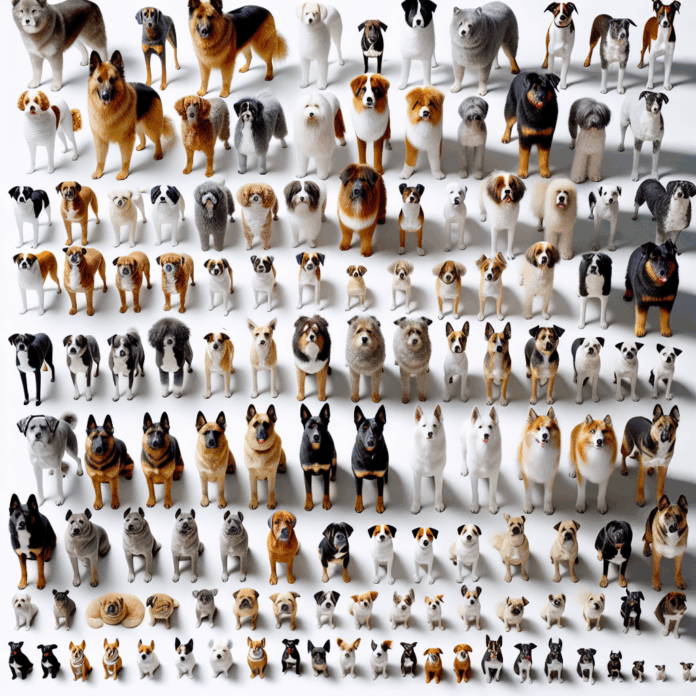
When we think of dog breeds, we often gravitate toward their athleticism, agility, and capacity for play. However, there is a diverse group of dogs classified as the Non-Sporting Group, which boasts unique characteristics that often go unnoticed. This group, recognized by organizations like the American Kennel Club (AKC), includes a variety of breeds that were not developed for a specific working role but instead have traits that cater to companionship, protection, and more. In this article, we delve into the traits, behaviors, and care needs of Non-Sporting Group dogs.
What is the Non-Sporting Group?
The Non-Sporting Group features dogs that can’t be categorized easily into the other groups, such as sporting, hound, or herding breeds. This variety means that dogs within this group differ greatly in their sizes, shapes, and temperaments. Some popular breeds in this category include:
- Bulldog
- Dalmatian
- Poodle
- Boston Terrier
- Chow Chow
- Shiba Inu
Characteristics of Non-Sporting Group Dogs
Variety in Appearance
Non-Sporting Group dogs are a visual feast. From the compact and muscular Bulldog to the elegant and curly-coated Poodle, their physical characteristics can vary dramatically. This diversity allows potential dog owners to find a breed that matches their aesthetic preferences.Temperament
Temperament varies widely among breeds, but many Non-Sporting dogs are known for their friendly and adaptable natures. They can be lively and playful or calm and reserved, providing prospective owners a range of options based on lifestyle compatibility.Ease of Training
Many dogs in the Non-Sporting Group are intelligent and respond well to training. However, the degree of trainability may differ. Breeds like the Poodle are often quick learners, while others may be more stubborn. Consistent, positive reinforcement techniques are typically the most effective for successful training.Socialization Needs
Socialization is especially vital for Non-Sporting breeds, many of which thrive in social situations. Early exposure to various environments, people, and other animals can prevent behavioral issues and contribute to a well-adjusted adult dog.Grooming Requirements
Grooming needs vary widely among the Non-Sporting breeds. For instance, Poodles require regular grooming to keep their curly coats in good condition, while the short-haired Bulldog necessitates minimal grooming. Understanding the grooming needs of specific breeds is vital for prospective pet owners.- Exercise Requirements
While many Non-Sporting breeds do not require the high energy levels of sporting dogs, they still need regular exercise. Daily walks, playtime, and mental challenges are essential to keep them healthy and prevent boredom-related behavioral problems.
Popular Breeds in the Non-Sporting Group
1. Bulldog
Bulldogs are known for their distinctive wrinkled faces and sturdy frames. They are gentle and affectionate, often forming strong bonds with their families. Despite their somewhat lazy demeanor, Bulldogs require regular short walks to maintain health.
2. Poodle
Poodles come in three sizes: standard, miniature, and toy. They are incredibly intelligent and excel in obedience training. Poodles have a high-energy nature and thrive on both physical and mental stimulation. Their hypoallergenic coats make them a popular choice for dog lovers with allergies.
3. Dalmatian
Dalmatians are famous for their unique spotted coats. They are energetic and require plenty of exercise. Dalmatians are known for being loyal family companions but can be prone to certain health issues, such as deafness, which prospective owners should consider.
4. Chow Chow
Chow Chows are easily identified by their lion-like manes and distinct blue-black tongues. They are independent and can be quite aloof with strangers, making early socialization essential to ensure they adapt well in various environments.
5. Boston Terrier
Boston Terriers are small, lively dogs known for their friendly disposition and tuxedo-like marking. They are good family pets with moderate exercise requirements, making them suitable for apartment living.
Care and Maintenance
Nutrition
A balanced diet is vital for maintaining the health of Non-Sporting Group dogs. Quality dog food tailored to their age, size, and energy level ensures they receive essential nutrients. Regular feeding schedules and portion control can prevent obesity, which is common in certain breeds like Bulldogs.Health Care
Regular veterinary check-ups are crucial for early detection of breed-specific health issues. Non-Sporting Group breeds can be prone to conditions such as hip dysplasia, skin issues, and eye problems. Vaccination schedules and preventive care should be strictly followed.- Mental Stimulation
Non-Sporting breeds benefit significantly from mental challenges. Puzzle toys, training sessions, and interactive play can help prevent boredom and promote mental health. Activities like obedience training and agility courses can also be beneficial.
Conclusion
The Non-Sporting Group offers an incredible variety of dog breeds, each with its own unique traits, temperaments, and care needs. While they may not be bred for specific working tasks, their companionship, loyalty, and varied characteristics make them beloved family pets. Understanding the traits of these dogs can significantly enhance the experience of dog ownership, leading to a fulfilling bond.
FAQs
1. What qualifies a dog to be in the Non-Sporting Group?
The Non-Sporting Group includes dogs that do not fit into the other specified groups (for instance, sporting, working, and herding) and are recognized mainly for their diverse appearances and temperaments.
2. Are Non-Sporting Group dogs good for apartments?
Many breeds within this group, such as Boston Terriers and Bulldogs, adapt well to apartment living as long as they receive regular exercise and mental stimulation.
3. Do Non-Sporting Group dogs require more grooming than other groups?
Grooming needs vary widely among Non-Sporting breeds. Some, like the Poodle, require regular grooming, while others, like the Bulldog, have minimal grooming needs.
4. How much exercise do Non-Sporting Group dogs typically need?
Exercise needs vary by breed. While they generally require less exercise than sporting breeds, regular walks and playtime are essential for their physical and mental well-being.
5. Are Non-Sporting Group dogs generally good with children?
Many Non-Sporting breeds are known for their friendly and gentle natures, making them good companions for children. However, individual temperament and early socialization play a crucial role in their behavior around kids.
Understanding the traits of Non-Sporting Group dogs enhances the experience of owning one and helps forge lasting bonds with these unique and often overlooked breeds.

