

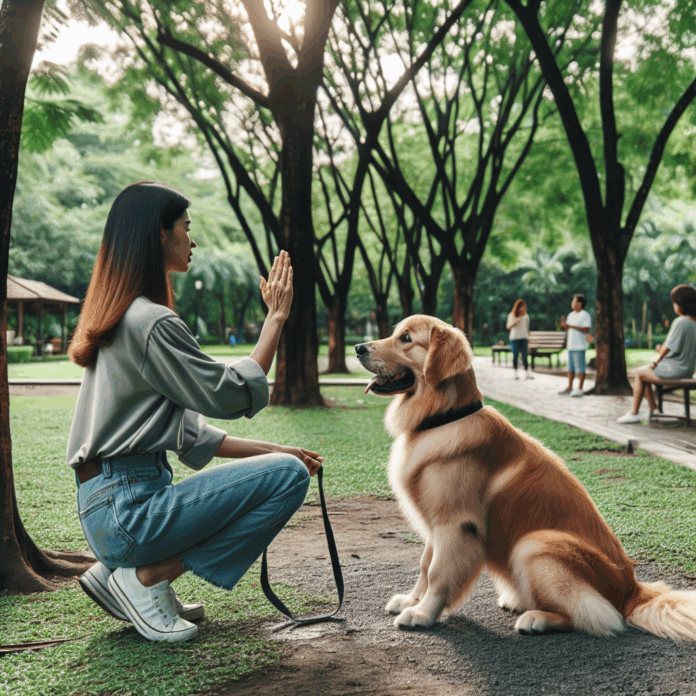
Aggressive behavior in dogs is a complex issue that often stems from fear. Understanding this connection is crucial for pet owners who want to transform their fearful, aggressive dogs into well-mannered companions. This article will explore the roots of aggressive behavior in dogs, strategies for modification, and how to replace fear with focus.
Understanding Aggression in Dogs
Aggression isn’t a trait; it’s a behavior that can manifest due to various factors, including genetics, environment, and socialization. According to the American Veterinary Medical Association (AVMA), fear-based aggression is one of the most common causes of aggressive behavior in canines.
The Roots of Fear-Based Aggression
Genetics: Some breeds are predisposed to aggression due to their backgrounds and roles. For instance, guarding breeds may show aggression when they perceive a threat.
Early Experiences: Puppies that lack early socialization with different people, animals, or environments can develop fear. This fear may lead to aggressive reactions when they encounter unfamiliar stimuli.
Traumatic Incidents: A negative experience, such as being attacked by another dog or experiencing abuse, can foster fear and lead to aggression as a defense mechanism.
Health Issues: Some dogs may react aggressively when they are in pain or discomfort. A thorough veterinary check-up can help rule out medical issues.
- Lack of Training: Untrained dogs may misinterpret situations and respond aggressively out of fear or frustration.
Recognizing Signs of Aggression
To effectively address aggression, one must first recognize the signs:
- Growling: This vocalization is often a warning that a dog feels threatened.
- Snapping or Biting: A dog may snap or bite when it feels cornered or excessively scared.
- Rigid Body Language: If a dog becomes stiff and appears tense, it may be preparing to react aggressively.
- Showing Teeth: A dog that shows its teeth is often feeling threatened and is warning others to back off.
Understanding these signs allows owners to intervene early and redirect their dog’s focus before aggression escalates.
Strategies for Modification
1. Desensitization and Counter-Conditioning
Desensitization involves gradually introducing the dog to whatever triggers its fear, starting at a distance where the dog feels safe. For example, if a dog is afraid of other dogs, the owner might begin by observing dogs from a distance and rewarding calm behavior.
Counter-conditioning complements desensitization. When the dog is exposed to the trigger, positive experiences such as treats or praise are offered. This helps the dog form a more positive association with the stressor over time.
2. Positive Reinforcement Training
Training should prioritize positive reinforcement, which enables dogs to learn acceptable behaviors through rewards instead of punishment. For example, if a dog exhibits calm behavior in a potentially triggering situation, treat it or praise it to encourage that behavior.
3. Providing a Safe Space
Creating a safe space is vital for a fearful dog. Designate an area at home where the dog can relax without feeling threatened. This might include a cozy bed in a quiet room where it won’t be disturbed. A safe space allows the dog to regain composure and feel secure.
4. Engaging in Focused Activities
Engagement through focused activities can help redirect a dog’s energy away from fear. Activities such as training sessions, agility exercises, or even interactive toys provide mental stimulation and help reduce stress.
5. Consulting a Professional Trainer or Behaviorist
If aggressive behavior persists despite efforts, consulting a professional dog trainer or animal behaviorist can be invaluable. They can develop a tailored training plan suited to the specific needs of the dog and its environment.
Replacing Fear with Focus
Transforming a fearful, aggressive dog into one that is focused and calm takes patience and dedication. Here are some strategies to help this process:
1. Building Trust
The most significant step is building trust between the owner and the dog. Spend time together engaging in gentle play, training sessions, or simply relaxing. Gradually introduce the dog to new experiences at a pace that suits its comfort level.
2. Establishing Routine
Dogs thrive on routine. Establish a daily schedule for walks, playtime, and feeding. A consistent routine can provide comfort and security to a fearful dog.
3. Mental Stimulation
Mental workouts are essential for a dog’s overall well-being. Puzzle toys, scent games, and obedience training can engage their minds and reduce stress, helping them focus on positive behaviors.
4. Socialization
Controlled socialization with other well-behaved dogs can be beneficial. Introducing the fearful dog to calm companions can help in developing positive interactions. Controlled environments like dog training classes or playdates can be useful but should be approached with caution.
5. Acceptance and Patience
Lastly, it’s crucial for owners to accept that change will take time. Aggressive behavior cannot be eradicated overnight. Instead, celebrate small victories along the way, acknowledging progress as it happens.
Conclusion
Fear-based aggression in dogs can be challenging but is manageable with patience, understanding, and the right techniques. By focusing on building trust, fostering positive experiences, and providing structured environments, dog owners can guide their pets from fear to focus, transforming them into confident companions.
FAQs
1. Can all aggressive behaviors in dogs be traced back to fear?
While many aggressive behaviors stem from fear, some can result from territoriality, predatory instinct, or learned behaviors. Understanding the root cause is essential for proper intervention.
2. How long will it take to change my dog’s aggressive behavior?
The timeline for behavior modification varies greatly depending on the individual dog and the severity of the aggression. Some dogs may show improvements in weeks, while others may take months or longer.
3. Should I punish my dog for aggressive behavior?
Punishing aggressive behavior can often exacerbate fear and make the situation worse. Positive reinforcement and focusing on encouraging desirable behaviors are more effective.
4. When should I seek professional help?
If your dog’s aggressive behavior is severe, poses a danger to others, or if you feel overwhelmed, seeking help from a certified dog trainer or behaviorist is advisable.
5. Are there breeds that are more prone to aggression?
Certain breeds have been historically bred for guarding or protection, which can lead to aggressive tendencies. However, aggression is not solely determined by breed; individual temperament, training, and socialization play substantial roles.

