

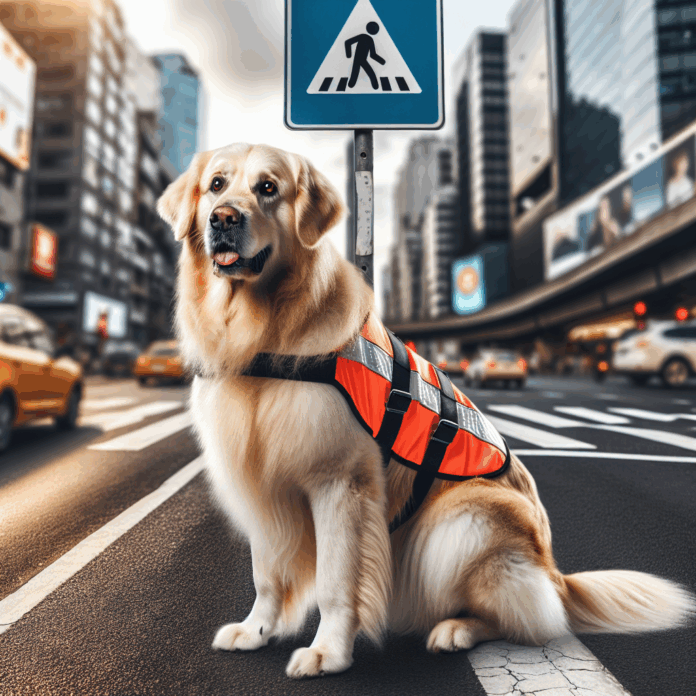
Traveling with your furry friend can be one of life’s most rewarding experiences. Dogs make great companions on the open road, and their enthusiasm can turn a mundane trip into an adventure. However, ensuring your dog’s safety and comfort requires careful planning. Here are some essential tips to make your road trip a success for both you and your four-legged friend.
1. Pre-Trip Preparation
Health Check
Before hitting the road, schedule a check-up with your veterinarian. Ensure your dog is in good health, up to date on vaccinations, and free of parasites. If you’re traveling across state lines, research health regulations and vaccination requirements. Consider obtaining a health certificate, especially if you plan to stay in hotels or campgrounds.
Proper Identification
Make sure your dog has a collar with an ID tag, including your contact information. Microchipping is also recommended as a permanent form of identification. In case your dog gets lost, having reliable contact details increases the chances of a reunion.
Packing Essentials
Pack a dog bag with all the essentials your furry friend will need on the road. This should include:
- Food and Water: Bring enough food for the entire trip, along with portable bowls. Don’t forget water, especially for longer journeys.
- Leash and Harness: A sturdy leash and harness are crucial for keeping your dog safe during stops.
- Waste Bags: Always clean up after your dog to maintain a clean environment.
- Bedding and Toys: Familiar items can help your dog feel secure and entertained.
2. Car Travel Safety
Restraints
Just as humans wear seatbelts for safety, your dog should have proper restraints. Consider using:
- Crates: A well-ventilated crate can keep your dog secure and comfortable.
- Dog Seatbelts: These harnesses connect directly to the seatbelt and help prevent your dog from moving around in the car.
- Dog Barriers: If you have a larger vehicle, a pet barrier can help create a safe space for your dog in the back.
Temperature Control
Cars can heat up quickly, even on a seemingly mild day. Ensure your vehicle has proper ventilation and air conditioning. Never leave your dog alone in a parked car, as temperatures can rise rapidly, leading to heatstroke.
Frequent Breaks
Plan for regular rest stops every couple of hours. This allows your dog to stretch their legs, relieve themselves, and hydrate. Use these breaks to give your dog some time outside, but always keep them leashed to prevent any escapes.
3. On the Road
Feeding Schedule
Stick to your dog’s regular feeding schedule as much as possible. If you’re traveling across different time zones, adjust their feeding times gradually to avoid gastrointestinal upset.
Avoid Distractions
Distracted driving is a significant hazard. Keep your dog calm and settled in the vehicle. If your dog tends to get anxious during travel, consider talking to your veterinarian about calming aids or medications. Avoid allowing your dog to stick their head out of the window; this could lead to injury from debris or sudden movements.
4. Overnight Stays
Dog-Friendly Accommodations
Research pet-friendly hotels or campgrounds in advance. Many places welcome dogs, but some may have breed restrictions or additional fees. Always verify their pet policy before booking.
Setting Up a Safe Space
When you arrive at your destination, set up a designated area for your dog with their bedding, toys, and food. This will help them acclimate to the new environment and feel less anxious.
5. Be Mindful of Your Dog’s Behavior
Monitor Stress Levels
Road trips can be overwhelming for some dogs. Keep an eye on your pet’s behavior for signs of stress, such as excessive barking, panting, or drooling. If your pet seems uncomfortable, take breaks or allow them to rest.
Exercise Opportunities
Include time for physical activity during your trip. Whether you’re visiting parks, beaches, or hiking trails, keeping your dog active will help reduce anxiety and improve their overall mood.
6. Maintain Routine as Much as Possible
Dogs thrive on routine. Try to maintain similar feeding and exercise schedules to help your dog adjust to traveling. A consistent routine can alleviate stress and keep your dog happy and healthy on the road.
7. After the Trip
Post-Travel Check
Once you return home, examine your dog for any signs of stress or physical issues, such as fleas or ticks. Ensure they receive plenty of rest and proper hydration after the trip.
Share Experiences
Consider documenting your road trip—photos and notes about different locations might help others planning similar journeys. And don’t forget to give your dog extra love and attention after the adventure; they deserve it!
FAQs
1. Can I take my dog on long road trips?
Absolutely! Many dogs enjoy road trips as long as they are prepared and kept safe. Ensure you follow safety protocols and provide plenty of breaks and exercise.
2. How do I keep my dog calm during car rides?
Consider using calming supplements, practicing short car trips prior to longer journeys, and providing favorite toys. A comfortable environment in the car can help as well.
3. What should I do if my dog gets car sick?
Limit food intake before the trip, keep the car well-ventilated, and make frequent stops. If car sickness continues to be a problem, consult your veterinarian for advice.
4. Are there dog-friendly hotels?
Yes! Many hotels and motels are pet-friendly. Be sure to check each location’s pet policy and any additional fees associated with bringing your dog.
5. How do I find dog-friendly places on my route?
There are many apps and websites dedicated to helping pet owners find dog-friendly restaurants, parks, and accommodations. Consider using these resources for planning your trip.
6. Should I bring my dog’s food and water bowls?
Always! Bringing your dog’s food and water bowls from home can provide comfort and familiarity in an unfamiliar environment.
7. What if my dog gets lost during the trip?
If your dog goes missing, try to stay calm. Check the immediate area first, and then expand your search. Inform nearby people, and utilize social media or local lost pet groups for assistance.
Traveling with your dog can be a joyous experience filled with memories that last a lifetime. By following these safety tips and being well-prepared, you can ensure a smooth and enjoyable adventure for both you and your furry companion. Happy travels!

