

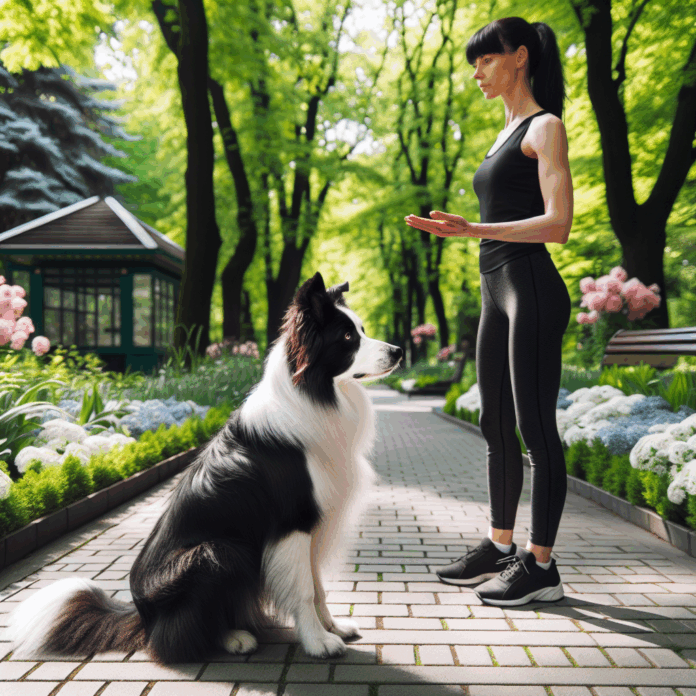
Dogs bring joy and companionship to our lives, but just like humans, they can experience a range of emotions—including anxiety. Canine anxiety is a common issue affecting many dogs. Whether it’s due to environmental factors, previous traumas, or genetic predispositions, anxiety can manifest in various ways. Recognizing the symptoms early can help your pet receive the treatment needed for a happier, healthier life.
Understanding Canine Anxiety
Canine anxiety is a condition where dogs experience persistent fear or distress. This can result from various triggers such as loud noises, separation from their owners, changes in routine, or unfamiliar environments. Different breeds may also be more predisposed to anxiety; for instance, herding breeds often exhibit higher anxiety levels due to their hyper-alertness.
Common Types of Dog Anxiety
Separation Anxiety: This is one of the most common forms of anxiety in dogs. It occurs when dogs become excessively distressed when left alone. Signs may include destructive behaviors, excessive barking, or attempts to escape.
Noise Anxiety: Many dogs are sensitive to loud noises, such as thunder, fireworks, or even household appliances. These sounds can cause agitation and fear, resulting in behaviors like hiding or shaking.
Social Anxiety: Dogs can also experience anxiety in social situations, whether with other dogs or people. They may exhibit fearful behaviors, such as cowering or aggression, when approached by unfamiliar individuals.
Travel Anxiety: Some dogs dislike car rides or being in new environments, causing distress during travel. Signs include excessive drooling, panting, or vomiting.
- Generalized Anxiety: This type can manifest without specific triggers and can be rooted in genetics or past trauma.
Recognizing the Symptoms of Dog Anxiety
Identifying anxiety in dogs can be challenging, as symptoms may vary widely. Here are common signs to watch for:
Behavioral Signs
Destruction: Chewing furniture or scratching at doors may indicate anxiety, especially if these behaviors occur when you leave the house.
Barking or Whining: Excessive vocalizations can signal distress. Pay attention to the context—if your dog barks more when left alone, it might indicate separation anxiety.
Restlessness: If your dog seems unable to settle down or frequently paces, it may be an indication of anxiety.
Hiding: Dogs may seek out small, enclosed spaces or hide under furniture when feeling anxious.
- Pacing: An anxious dog might move around restlessly, showing signs of agitation.
Physical Symptoms
Trembling or Shaking: Physical signs of fear can include trembling or shaking, especially during thunder or fireworks.
Excessive Drooling: If your dog begins to drool excessively, it might be a symptom of anxiety.
Panting: Rapid or excessive panting can indicate that your dog is stressed or anxious.
Changes in Appetite: Dogs with anxiety may eat less or refuse to eat altogether.
- Grooming: Excessive licking, especially of the paws, can be a coping mechanism for anxious dogs.
Other Symptoms
- Aggression: Fearful dogs may lash out, showing aggression towards people or other animals.
- Avoidance: An anxious dog may avoid certain activities or social interactions, preferring to stay isolated.
Diagnosing Dog Anxiety
If you suspect your dog may suffer from anxiety, consult your veterinarian. A thorough examination and discussion of your dog’s behavior can help differentiate between anxiety and another medical condition. Sometimes, symptoms overlap with health issues, so it’s important to rule these out first.
Your vet might suggest behavioral assessments or recommend a certified animal behaviorist for further evaluation, particularly for severe cases.
Treatment Options
Treatment for dog anxiety can be a combination of behavioral training, environmental modification, and, in some cases, medication. Here are some options to consider:
1. Behavioral Training
Training can help reduce anxiety behaviors. Techniques include:
Desensitization and Counter-Conditioning: Gradually exposing your dog to anxiety-inducing situations in a controlled manner while rewarding calm behavior can help.
- Positive Reinforcement: Use treats and praise to encourage desirable behaviors and create a positive association with triggers.
2. Environmental Enrichment
Creating a calming environment can make a significant difference. Some strategies include:
Safe Spaces: Provide a cozy, quiet area for your dog to retreat during stressful situations.
Interactive Toys: These can distract and engage your dog, helping to reduce anxiety levels.
- Calming Aids: Products like anxiety wraps or pheromone diffusers can help soothe anxious dogs.
3. Medication
In severe cases, veterinarians may prescribe medication to help manage anxiety. Common options include SSRIs (selective serotonin reuptake inhibitors) or anxiolytics. Always consult with your veterinarian before starting any medications to ensure it’s appropriate for your dog’s specific situation.
FAQs
Q: How can I tell if my dog has anxiety or if they are just being naughty?
A: Behaviors stemming from anxiety usually have a specific context, such as only occurring when you leave or during certain noises. If your dog’s behavior appears to be fear-based or if they’re acting differently than their usual self, it’s essential to consult with a vet.
Q: Can anxiety in dogs be treated naturally?
A: Yes! Many owners successfully manage their dog’s anxiety through natural methods like training, environmental modifications, and calming products. Always consult with a veterinarian for personalized recommendations.
Q: Is it common for older dogs to develop anxiety?
A: Yes, older dogs can develop anxiety due to health issues, changes in their living environment, or cognitive decline. Regular veterinary check-ups can help identify any underlying problems.
Q: Can certain breeds be more prone to anxiety?
A: Yes, certain breeds, such as Border Collies and German Shepherds, may be predisposed to anxiety. However, any dog can develop anxiety regardless of breed.
Q: How long does it take to treat a dog for anxiety?
A: Treatment duration varies based on the severity of anxiety and the methods employed. Some dogs may show improvement within weeks, while others may take months. Consistency and patience are crucial in the process.
Conclusion
Recognizing the signs of anxiety in dogs is essential for providing them with the happiest and healthiest life. With proper identification, treatment options, and a supportive environment, you can help your canine companion cope with anxiety effectively. If you notice any symptoms, don’t hesitate to seek veterinary advice for tailored support. Your furry friend deserves the best care, and understanding their emotional needs is the first step toward a joyful life together.

