

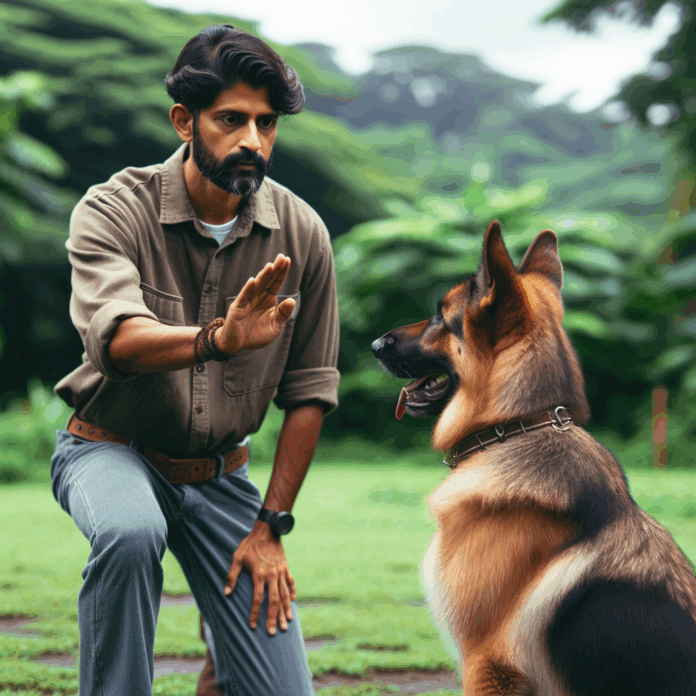
Leash training is one of the most essential skills a dog can learn, not just for their safety but for yours. As a new dog owner, this can feel overwhelming. However, with the right strategies and a dash of patience, you can transform your walk into a bonding experience rather than a tug-of-war. This article will guide you through the nuances of leash training while also focusing on the bond you will create with your furry friend.
Understanding Your Dog’s Behavior
Before diving into techniques, it’s vital to understand that dogs experience the world in unique ways. They explore through scent, sight, and sound, often with an eagerness to discover. A leash is not just a means of control; it’s a tool for communication. By understanding your dog’s behavior, you can tailor your training approach.
Dogs and Their Natural Instincts
Dogs are pack animals by nature; they thrive on social connections. When you walk your dog, you are, in essence, a part of their pack. If your dog pulls on the leash, they might be expressing excitement, fear, or even a desire to lead. Your role is to teach them that walking alongside you is both rewarding and safe.
Getting Started: Tools You Will Need
A Proper Collar or Harness: Ensure it fits well. For dogs that tend to pull, a no-pull harness can be helpful.
A Leash: Choose a leash that is strong yet flexible, typically around 4 to 6 feet in length.
Treats: Use treats that your dog finds particularly enticing for effective training rewards.
- Patience and Positivity: These are your most crucial tools. Training takes time, and a positive mindset is key.
Basic Training Techniques
1. Start at Home
Before hitting the streets, practice in a familiar environment. Walk around your house or yard with your dog on a leash. Reward them for walking beside you and for keeping the leash loose.
2. Reward-Based Training
Positive reinforcement is effective for dogs of all ages. When your dog walks calmly next to you, reward them with treats or praise. This reinforces the desired behavior.
3. Use the “Let’s Go” Command
Introduce a command like “let’s go” to signal to your dog that it’s time to walk. Start by practicing this indoors, then gradually move to outdoor environments. Use this command when your dog is in the right position next to you and reward them immediately.
4. Practice the “Stop and Go” Method
When your dog pulls ahead, stop walking and wait until they return to you. Once they come back and the leash is slack, reward them and continue walking. This method teaches them that pulling won’t lead to progress.
5. Change Directions
Occasionally change directions when you walk. This will compel your dog to pay closer attention to you and the leash, reinforcing the bond while making the walk more engaging.
6. Avoid Distractions Initially
Begin in low-distraction environments to help your dog focus on you. As they become more accustomed to walking on a leash, gradually expose them to busier areas.
Building a Strong Bond
Leash training isn’t just about teaching your dog how to walk properly; it’s also about building trust and communication.
Create Positive Associations
Make every outing an opportunity for your dog to experience the world positively. If they see other dogs, people, or exciting environments, associate these elements with treats and praise, reinforcing the bond in those moments.
Spend Quality Time Together
Incorporate various activities into your routine. Playtime, training sessions, and gentle grooming can strengthen your relationship. Dogs thrive on interaction, and the more time you spend together, the better they’ll understand you and your expectations.
Be Consistent
Ensure that everyone in your household uses the same commands and methods of training. Consistency helps your dog understand what you want from them and reduces confusion.
Common Challenges and Solutions
1. Pulling on the Leash
Solution: Use a no-pull harness or collar. Combine with the “stop and go” technique to teach them that pulling doesn’t yield results.
2. Reactivity to Other Dogs or People
Solution: Gradually expose your dog to other dogs and people from a distance. Reward calm behavior and seek the advice of a professional trainer if the issue persists.
3. Fear of the Leash or Collar
Solution: Introduce the leash and collar gradually. Let your dog wear them in a safe and secure place while providing treats and positive reinforcement.
4. Losing Interest in Training
Solution: Keep training sessions short and fun. End on a positive note, even if it means curtailing a session before your dog gets bored.
Conclusion
Leash training can seem daunting, especially for new dog owners. However, the bond you build with your dog during this process will be worth the effort. The key is patience, consistency, and positive reinforcement. By following the techniques outlined in this article, you’ll set your furry friend up for success, creating a positive walking experience for both of you.
FAQs
Q1: How long does it take to leash train a dog?
The time varies depending on the dog’s age, temperament, and previous training. Some dogs may catch on in a few days, while others might take weeks. Consistent practice will make a significant difference.
Q2: Can I use a retractable leash for training?
Retractable leashes can be helpful for giving your dog more freedom, but they may not be ideal for training. During training, a standard 4-6 foot leash is more effective for controlling your dog’s behavior.
Q3: What should I do if my dog refuses to walk on a leash?
Start slowly. If your dog is fearful, allow them time to adjust to the leash before attempting to walk. Use treats to encourage them to move forward at their own pace.
Q4: Is it normal for my dog to get distracted on walks?
Yes! Dogs are naturally curious and may get distracted by smells, sounds, or sights. With consistent training, you can teach your dog to focus on you even amidst distractions.
Q5: Should I train my dog in a group setting or one-on-one?
If possible, a mix of both is beneficial. Group classes provide socialization opportunities, while one-on-one sessions allow for personalized attention to specific challenges your dog may face.
By embracing the leash training journey with understanding and patience, you are not only enhancing your dog’s obedience but also strengthening the invaluable bond you share. Happy walking!

