

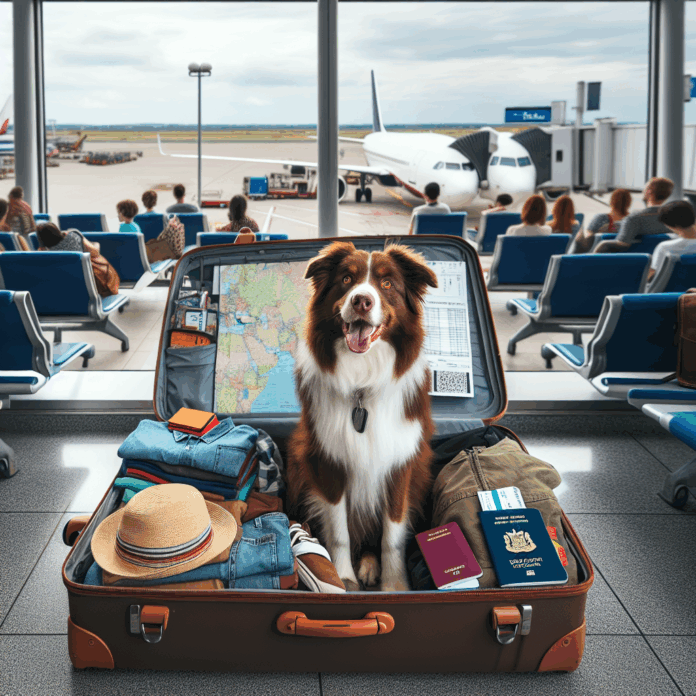
Traveling with your furry friend can be one of the most rewarding experiences, creating cherished memories that enrich your bond. However, it also requires careful planning and preparation to ensure both you and your pet have a smooth adventure. This comprehensive checklist will guide you through every step of traveling with your dog, ensuring a tail-wagging experience from start to finish.
Pre-Trip Preparations
1. Research Pet-Friendly Destinations
Before concluding your travel plans, verify if your destination is pet-friendly. Many hotels and vacation rentals allow dogs, but policies vary, so it’s a good idea to confirm their pet policies. Use travel websites dedicated to pet owners or apps that categorize venues by their dog-friendliness to ease your search.
2. Visit the Vet
A trip to the veterinarian is crucial before embarking on your journey. Ensure your puppy is up-to-date on vaccinations, and discuss any potential health concerns related to travel. Ask for a health certificate if you’re flying, as some airlines require this documentation.
3. Microchip and Identification
Equip your dog with a collar that has an up-to-date ID tag containing your contact information. Consider microchipping as a permanent means of identification — it increases the chances of reuniting with your pet if they get lost.
4. Assembly of Travel Gear
Invest in good quality travel gear, including:
- Collapsible food and water bowls: Space-savers are essential for travel.
- Comfortable leash and harness: A sturdy leash ensures control in unfamiliar environments.
- Pet carrier or travel crate: Especially necessary for air travel, a carrier helps create a safe space for your pet.
- Dog bed or blankets: Familiar scents can help reassure your pet in a new environment.
5. Plan Contents of Your Dog’s Travel Bag
When packing for your pup, include:
- Food and treats: Bring enough for the duration of the trip and a little extra in case of delays.
- Medications: If your dog requires medications, pack these securely.
- Grooming supplies: A grooming kit for long-haired breeds can mitigate travel mess.
- Waste bags: Always clean up after your pooch to keep the environment clean.
Mode of Transportation
1. Car Travel
- Safety First: Transport your dog in a crate or use a dog seatbelt to keep them safe and minimize distractions while driving.
- Frequent Stops: Plan rest stops every couple of hours for bathroom breaks, stretching, and hydration.
- Temperature Awareness: Never leave your pet alone in a parked car, especially in warm weather.
2. Air Travel
- Choose the Right Airline: Investigate the pet policies of various airlines and choose one that suits your needs.
- Preparing for Security: Be prepared to take your dog out of their carrier during TSA security inspections.
- Acclimation: Familiarize your pup with their travel crate beforehand. A few short trips can help acclimatize them to spending time in a crate.
3. Public Transportation
If you’re using trains or buses, check the rules on pet travel. Some allow pets while others may have restrictions.
Upon Arrival
1. Accommodation Check-In
Upon arrival, manage your dog’s introduction to the new environment. Look for:
- Designated pet areas: Familiarize your dog with the designated areas for bathroom breaks.
- Secure entrances and exits: Ensure that doors are properly closed to prevent any accidents.
2. Explore the Surroundings
Take some time to explore your new surroundings with Fido. Familiarize them with the layout to help your pet feel more comfortable. Look for nearby parks or trails for exercise and potty breaks.
Creating a Routine
Maintaining routines can help ease your dog’s anxiety during travel. Keeping feeding and walking schedules similar to what they’re used to will provide a sense of familiarity amid the changes.
Tips for a Calm Journey:
- Exercise Before Travel: Engage Fido in a vigorous play session before embarking on your trip. A tired dog is often a calmer companion.
- Bring Toys and Comfort Items: Familiar toys or blankets can comfort your dog in unfamiliar settings.
Safety Precautions
1. Keep Your Dog Leashed
Maintain close supervision over Fido in unfamiliar places and always use a leash during outings. This ensures safety both for your dog and others.
2. Watch for Hazards
Stay alert for potential hazards such as other animals, toxic plants, or dangerous temperatures. Watch your dog’s behavior and reactions to unfamiliar stimuli.
3. Hydration and Shade
Ensure your dog stays hydrated and rests in the shade during outdoor undertakings, especially in warmer weather.
Return Home
Once your trip concludes, make sure to ease back into your home routine. Re-establish feeding and walking schedules, allowing your dog to acclimate back into their daily life.
Conclusion
Traveling with your dog can bring immense joy and strengthen the bond you share. By taking the time to prepare and consider both your needs and those of your furry friend, you can ensure a smooth and memorable experience. Enjoy your travels and the myriad moments of wagging tails and joyful barks!
FAQs
1. Can I travel internationally with my dog?
Yes, but it requires additional preparations. Research destination requirements regarding vaccinations, health certificates, and quarantine regulations ahead of time.
2. What if my dog gets car sick?
If your dog is prone to car sickness, consult your vet for advice. They may recommend medication or suggest limiting food intake shortly before your journey.
3. Is there specific travel gear needed for flying with a dog?
Yes, airlines often have specific size restrictions and requirements. Ensure your travel crate meets these regulations for a safe flight.
4. What should I do if my dog gets anxious during travel?
Consider using calming treats or speak with your vet about anxiety medications for severe cases. Familiar items can also help ease anxiety.
5. Are there any restrictions on dog breeds for travel?
Certain airlines have breed restrictions, particularly for snub-nosed breeds (e.g., Bulldogs, Pugs). Always check with your airline’s specific policies prior to booking.
6. Are there specific pet-friendly places to explore?
Many national parks, beaches, and hiking trails allow dogs, but always check local regulations. Use apps to find dog-friendly venues near your travel destination.
Traveling with Fido requires preparation, patience, and love, ensuring that you can both enjoy the journey and create lasting memories together. Happy travels!

