Bad breath in dogs, or halitosis, is more than just an unpleasant surprise when your furry friend greets you with a smile. While it can sometimes be a benign issue, it often signals underlying health problems that need attention. Understanding the causes of bad breath and implementing effective solutions can enhance your dog’s quality of life and overall health.
Understanding the Causes of Bad Breath
Before diving into solutions, let’s take a look at the common causes of bad breath in dogs:
1. Dental Issues
The most prevalent cause of halitosis in dogs is poor dental hygiene. Plaque and tartar buildup can lead to periodontal disease, resulting in foul odors. Just like humans, dogs can suffer from gum disease, tooth decay, and infections, all of which contribute to bad breath.
2. Diet
A dog’s diet significantly impacts its breath. Certain dog foods, especially low-quality ones with artificial ingredients, can lead to an unpleasant odor. Some human foods, like garlic and onions, are also toxic to dogs and should be avoided as they can contribute to foul breath.
3. Stomach Problems
Gastrointestinal issues can lead to bad breath as well. Conditions such as gastroesophageal reflux, stomach ulcers, or infections can produce odors that escape through the mouth.
4. Health Problems
Systemic health issues, including diabetes, liver disease, or kidney failure, can also result in bad breath. These conditions often produce a distinct smell that signals a need for veterinary consultation.
5. Oral Tumors
In some cases, bad breath can indicate more severe conditions like oral tumors. If the odor persists even after implementing dental hygiene routines, it’s crucial to seek veterinary advice.
Effective Solutions for Bad Breath
Now that we’ve identified the causes of bad breath in dogs, let’s explore some effective solutions.
1. Regular Dental Care
The cornerstone of combating bad breath is regular dental care. Here are some best practices:
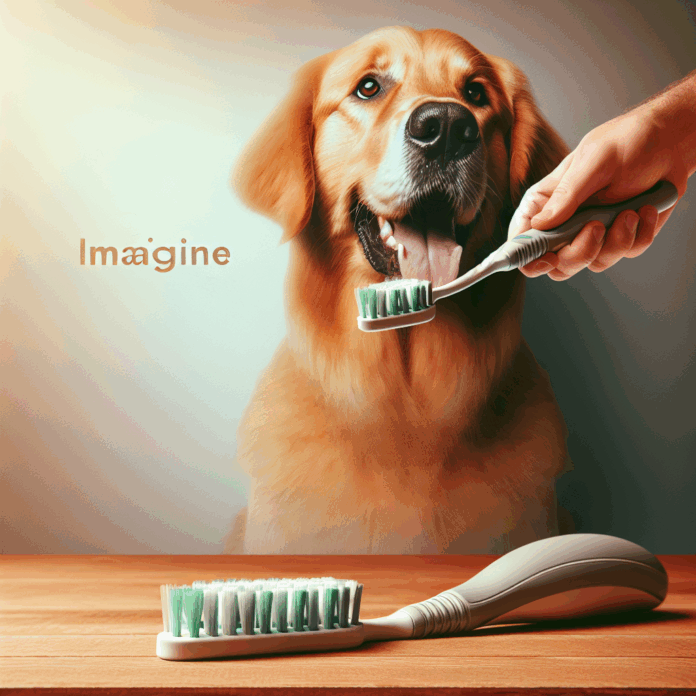
- Brushing Teeth: Aim to brush your dog’s teeth at least two to three times a week using toothpaste formulated for dogs. Human toothpaste can be harmful to pets.
- Professional Cleanings: Schedule regular veterinary dental cleanings. Your vet will be able to remove tartar and assess your dog’s oral health.
2. Quality Diet
The food your dog eats plays a significant role in their oral health. Consider the following dietary adjustments:
- High-Quality Dog Food: Choose high-quality, vet-recommended dog food that doesn’t contain fillers or artificial ingredients.
- Dental Chews: Introduce dental chews designed to reduce plaque and freshen breath. These can be a fun treat while also promoting dental health.
3. Hydration
Ensure your dog is well-hydrated, as a dry mouth can contribute to bad breath. Encourage drinking by:
- Fresh Water: Provide fresh, clean water at all times. Consider using a pet water fountain to entice your dog to drink more.
- Broth: Occasionally, add low-sodium broth to their water to make it more appealing.
4. Regular Vet Visits
Routine vet check-ups are essential. Discuss any concerns about your dog’s breath during these visits. Your veterinarian can check for signs of periodontal disease, perform dental cleanings, and run tests for systemic issues if necessary.
5. Homemade Remedies
There are several natural remedies to help freshen your dog’s breath. Always consult your vet before trying new treatments:
- Carrots and Apples: Fresh vegetables and fruits can help clean your dog’s teeth and freshen their breath. Just be sure to avoid toxic foods like grapes and raisins.
- Parsley: Adding a small amount of parsley to your dog’s food can act as a natural breath freshener.
6. Breath Freshening Products
Look for dog-specific breath freshening products, including water additives, dental sprays, and mouthwashes designed for pets. While these can assist in reducing odor, they shouldn’t replace dental care.
7. Behavioral Approaches
Sometimes, a dog may have bad breath due to behavioral issues related to eating. Feeding your dog smaller meals throughout the day may help in reducing the odor. Slow-feeders can also encourage dogs to chew their food thoroughly, helping to eradicate bad breath.
When to See a Veterinarian
If your dog’s bad breath persists even after implementing these solutions, it’s essential to consult with a veterinarian. Additionally, seek immediate veterinary attention if you notice:
- Distinct changes in odor (e.g., a sweet smell could indicate diabetes).
- Excessive drooling, difficulty eating, or pawing at the mouth.
- Any signs of pain or discomfort.
FAQs
1. Is bad breath normal in dogs?
While a slight odor is common, especially in older dogs, persistent bad breath often indicates dental problems or other health issues and should be addressed.
2. Can I use human toothpaste for my dog?
No, you should not use human toothpaste for dogs as it contains ingredients that can be harmful. Always use toothpaste specifically designed for pets.
3. How can I prevent bad breath in my dog?
Regular dental care, a healthy diet, proper hydration, and routine vet visits are key to preventing bad breath in dogs.
4. Are there any foods that can help freshen my dog’s breath?
Yes, crunchy vegetables like carrots and apples can help clean teeth and reduce odors. Some commercially available dental chews are also effective.
5. How often should I brush my dog’s teeth?
Ideally, you should brush your dog’s teeth at least two to three times a week, though daily brushing is best for optimal dental health.
Conclusion
Bad breath in dogs can be a common occurrence, but it doesn’t have to be a permanent issue. By understanding the causes and implementing effective solutions, you can transform your dog’s foul breath into something fresh. Regular dental care, a quality diet, and routine vet visits are essential steps toward achieving and maintaining fresh breath for your furry companion. Remember, a happy dog is a healthy dog, and good oral hygiene is a vital part of overall pet wellness.

