

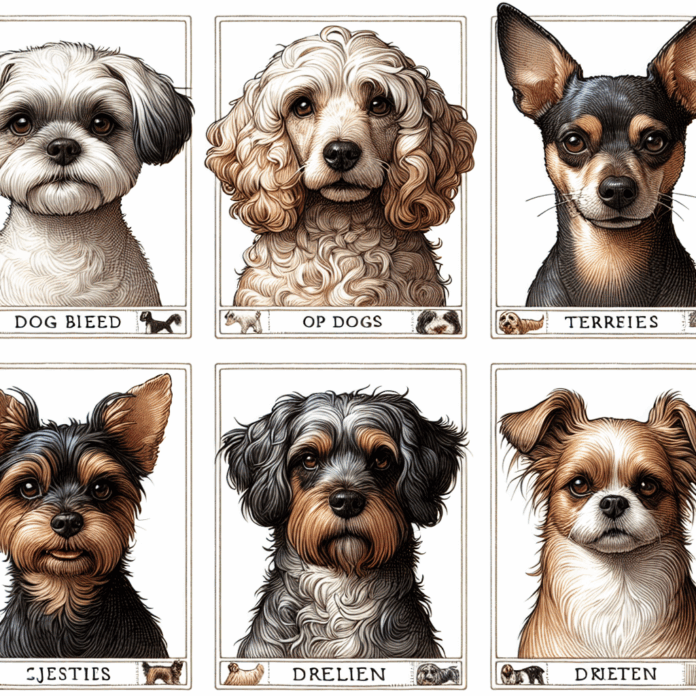
Bringing a dog into your family can be an immensely rewarding experience. However, for families with allergies, the idea of owning a dog can seem daunting. Thankfully, hypoallergenic dog breeds exist, offering a solution for families who want to enjoy canine companionship without the pesky sneezes and itchy eyes commonly associated with pet dander. In this article, we’ll delve into some of the best hypoallergenic dog breeds suitable for families, their temperament, care needs, and tips for reducing allergens in the home.
Understanding Hypoallergenic Breeds
Hypoallergenic dogs are not completely free of allergens, but they produce lower levels of allergens than other breeds. Dander, urine, and saliva contain proteins that trigger allergic reactions in sensitive individuals. Hypoallergenic breeds typically have hair instead of fur, which reduces the amount of dander they shed and thereby lessens the reaction of allergy sufferers.
Key Characteristics of Hypoallergenic Breeds
- Hair vs. Fur: Many hypoallergenic breeds have hair that continues to grow rather than fur that sheds. This reduces the amount of dander released into the environment.
- Less Grooming Woes: Hypoallergenic breeds often require regular grooming to prevent matting and to remove loose hairs, which can further minimize allergens.
- Size Variety: Hypoallergenic breeds come in all shapes and sizes, making it easier for families to find a suitable dog that fits their lifestyle.
Top Hypoallergenic Dog Breeds for Families
1. Poodle
Available in standard, miniature, and toy sizes, the Poodle is an intelligent and friendly dog that thrives in family environments. Their curly fur helps trap dander, making them an excellent choice for allergy sufferers. Poodles are quick learners and love engaging in activities with their families.
2. Bichon Frise
The Bichon Frise is a cheerful and playful breed known for its delightful personality. With a soft, curly coat, this breed requires regular grooming to maintain its fluffy appearance. The Bichon tends to get along well with children and other pets, making them an ideal family companion.
3. Maltese
The Maltese is a toy breed with a long, silky coat that is less likely to trigger allergies. These dogs are affectionate and love to be part of the family. While they do require daily grooming, their small size makes them excellent for families with limited space.
4. Schnauzer
Schnauzers come in miniature, standard, and giant sizes, but all of them share a distinctive beard and eyebrows. They are known for their energetic and protective nature, making them good watchdogs. Regular grooming is necessary to keep their coats in check, but their loyalty and playfulness make them a great choice for families.
5. Shih Tzu
Compact and adorable, Shih Tzus are known for their loving nature and relatively low-shedding coats. They enjoy being around family members and are particularly good with children. Regular grooming helps maintain their coat and minimizes the risk of allergens.
6. Basenji
Known as the "barkless dog," the Basenji is a unique breed that doesn’t shed much. Their short coat requires minimal upkeep, making them easier to maintain. Basenjis are loyal, intelligent, and can adapt well to various living situations, from apartments to homes with yards.
7. Yorkshire Terrier
Yorkies are small, energetic, and full of personality. Their long, fine hair is similar to human hair, which means less shedding and dander. They tend to bond closely with their owners and enjoy being part of family activities, making them a wonderful pet for families, especially those with older children.
Caring for Hypoallergenic Dogs
While hypoallergenic breeds may produce fewer allergens, homeowners must still take proactive steps to reduce allergens in their environment:
Regular Grooming
Establish a consistent grooming routine to keep your dog’s coat healthy. This routine may include brushing, bathing, and trimming. Grooming helps remove trapped dander and prevents mats that can harbor allergens.
Clean Your Home
Frequent cleaning is essential for allergy management. Vacuum carpets and upholstery regularly, utilizing HEPA filters if possible. Wash your dog’s bedding, toys, and other items in hot water to eradicate dander.
Create Dog-Free Zones
To minimize allergy symptoms, designate certain areas of your home, such as bedrooms, as dog-free zones. This provides a safe retreat for family members with allergies.
Use Air Purifiers
Investing in HEPA air purifiers can significantly improve indoor air quality by capturing airborne allergens, including pet dander.
Consult a Veterinarian
Regular veterinary check-ups are crucial to your dog’s health and can help you monitor any potential allergies or health issues that may arise.
Conclusion
Hypoallergenic dog breeds can provide families with the joy of pet ownership without the discomfort of allergy symptoms. With intelligent, loving, and loyal companions like Poodles, Bichon Frises, and Schnauzers, families can enjoy a fulfilling relationship with their furry friends. By following grooming and cleaning protocols, you can create a happy home where everyone—including allergy sufferers—feels comfortable and safe.
FAQs
1. Are hypoallergenic dogs completely allergy-free?
No, hypoallergenic dogs are not completely allergy-free, but they produce lower levels of allergens compared to other breeds.
2. Can I adopt a hypoallergenic dog if someone in my family has allergies?
Yes, many families with allergy sufferers adopt hypoallergenic dogs successfully. It’s still essential to take precautions to minimize allergens in your home.
3. How often should I groom my hypoallergenic dog?
Most hypoallergenic breeds require grooming every 4–6 weeks, but regular brushing at home can help reduce shedding and dander buildup.
4. Are hypoallergenic breeds better for families with children?
Many hypoallergenic breeds are friendly and good with children, making them suitable family pets. However, supervision is always necessary to ensure a positive experience for both the child and the dog.
5. What can I do if my child has allergies but still wants a dog?
Consult an allergist for specific advice and consider introducing your child to hypoallergenic breeds to see how they react before making a decision.
By understanding the characteristics of hypoallergenic breeds and taking the necessary precautions, you can enjoy a harmonious home with your furry family member, free from allergens and full of love.

