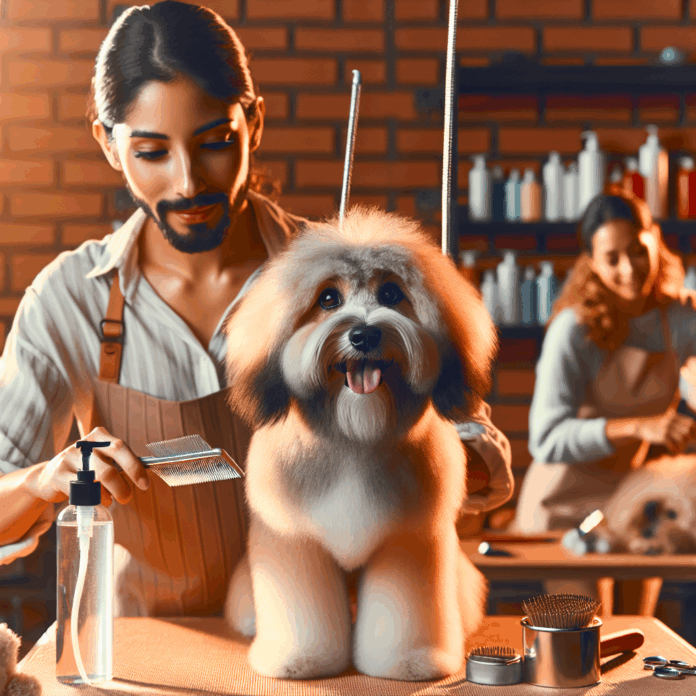
Long-haired dog breeds are beloved for their lush, flowing coats that often embody elegance and beauty. However, owning a long-haired dog comes with its share of grooming challenges. Regular grooming is essential not just for keeping your furry friend looking good, but also for maintaining their skin health and overall well-being. In this article, we will explore expert grooming tips tailored specifically for long-haired dog breeds.
Understanding Long-Haired Breeds
Long-haired breeds like the Afghan Hound, Shih Tzu, Yorkshire Terrier, and Old English Sheepdog are known for their stunning coats. These dogs require special attention to keep their fur healthy and free from mats. Long hair can trap dirt, debris, and moisture, which can lead to skin infections if not managed properly.
The Importance of Regular Grooming
Regular grooming serves multiple purposes:
- Hygiene: It helps remove dirt, dead hair, and debris, minimizing the risk of skin issues.
- Bonding: Grooming enhances your bond with your pet and can be a calming experience for both.
- Detection of Health Issues: Regular grooming sessions allow you to check for unusual lumps, skin irritations, or parasites.
Essential Grooming Tools
Before diving into grooming techniques, it’s crucial to equip yourself with the right tools:
- Slicker Brush: Perfect for detangling and removing loose fur.
- Comb: A wide-tooth comb is essential for areas prone to tangles.
- Nail Clippers: Keeping nails trimmed is vital for your dog’s comfort and health.
- Dog Shampoo and Conditioner: Use products specifically designed for dogs to maintain coat health.
- Grooming Gloves: Ideal for removing loose hair and massaging the skin.
Grooming Techniques for Long-Haired Breeds
Brushing: Start by brushing your dog’s coat at least two to three times a week. For dogs with longer hair, daily brushing is often required. Begin at the back and work your way forward, ensuring you brush all areas including the belly and legs. Use a slicker brush or a comb to remove tangles and knots gently. If you encounter a particularly stubborn mat, hold the fur near the skin to prevent pulling and work through it slowly.
Bathing: Bathe your long-haired dog every four to six weeks, or as needed. Make sure to use a gentle, dog-specific shampoo. After bathing, apply a conditioner designed for long-haired breeds to keep the coat manageable and hydrated. Rinse thoroughly to avoid residue, which can cause skin irritation.
Drying: Towel-dry your dog to remove excess water, then use a blow dryer on a low heat setting to dry their fur. Keep the dryer at a distance to avoid burns and to ensure even drying. This is also a great opportunity to continue brushing as you dry, which will help reduce tangles.
Trimming: Regular trimming can help manage length and prevent matting. Focus on areas prone to tangles, such as behind the ears, under the arms, and around the tail. You may want to consult a professional groomer for specific styles unless you’re confident in your skills.
Ear Care: Long-haired breeds often have ear hair that can trap moisture and debris. Check their ears regularly and trim any excessive hair. Cleaning should be done gently with a vet-recommended ear cleaner.
- Dental Care: Don’t overlook dental hygiene when grooming. Brush your dog’s teeth several times a week, using toothpaste made for dogs. Consider dental chews or toys to help maintain their oral health.
Seasonal Considerations
During shedding seasons, usually in spring and fall, you may notice increased hair loss. During this time, intensify brushing sessions to manage the influx of loose fur. A de-shedding tool can be particularly effective at this time.
Common Grooming Mistakes to Avoid
Neglecting the Undercoat: Don’t just focus on the outer coat. Regularly check and groom the undercoat to prevent matting.
Skipping the Grooming Routine: Consistency is key. Establish a grooming schedule to keep up with your dog’s coat.
Using Human Products: Avoid using human shampoos and conditioners. These can be harsh on a dog’s skin and coat.
- Being Too Rough: Always be gentle. Pulling or tugging on mats can cause pain.
When to Seek Professional Help
While many grooming tasks can be done at home, some situations warrant a professional groomer:
- If your dog has severe matting or tangles.
- If you are unsure about how to trim their coat suitably.
- For specific grooming needs, like breed-specific cuts.
Building a Positive Grooming Experience
Start grooming your puppy early to acclimate them to the process. Use treats and praise to create a positive association with grooming. Ensure sessions are short and end on a good note, allowing your pup to enjoy the experience.
FAQs
1. How often should I groom my long-haired dog?
- Ideally, you should brush your long-haired dog at least two to three times a week, with daily grooming during shedding seasons.
2. Can I bathe my dog too often?
- Bathing too frequently can strip natural oils from the coat. Aim for every four to six weeks, depending on your dog’s needs.
3. What if my dog hates being groomed?
- Gradually introduce your dog to grooming. Start with short sessions and offer treats. If needed, consult a professional trainer or groomer for advice.
4. How can I prevent mats from forming?
- Regular brushing and using a comb can help prevent mats. Pay special attention to high-friction areas and consider using a detangling spray.
5. Are there specific tools for different coat types?
- Yes, different tools may be more effective depending on the texture of your dog’s coat. Research tools that suit your dog’s specific breed and coat type.
In conclusion, grooming your long-haired dog is a rewarding endeavor that requires commitment and care. By following these expert grooming tips, you can ensure your furry friend remains healthy, happy, and looking their best. With a little patience and the right techniques, you’ll have your dog’s mane tamed in no time!

