

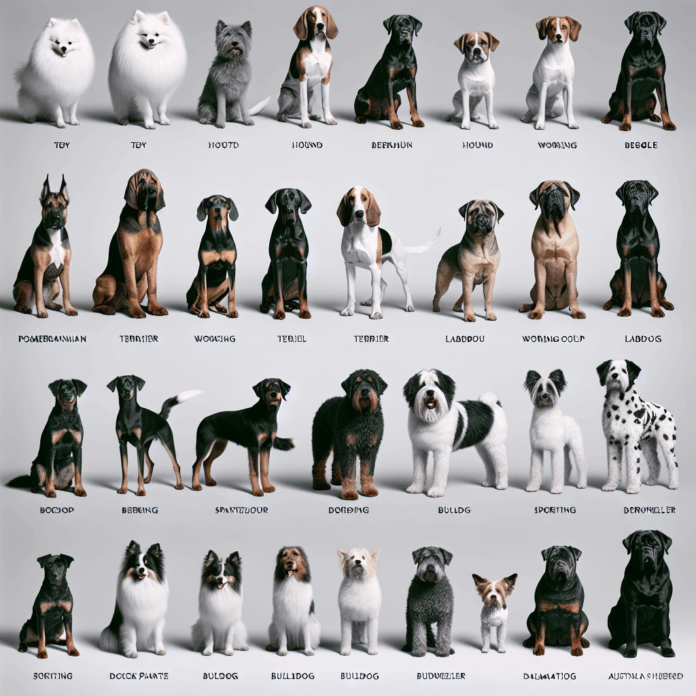
For those who lead an active lifestyle, a sporting dog can be the perfect companion. These breeds have been developed over centuries to assist in various hunting and sporting tasks, making them energetic, enthusiastic, and highly trainable. Sporting dogs are known for their friendly disposition, intelligence, and need for daily physical and mental stimulation, making them ideal for individuals or families who enjoy outdoor activities. This article will explore some of the best breeds of sporting dogs that can complement an active lifestyle and provide insights into their characteristics, care, and suitability.
What are Sporting Dogs?
Sporting dogs are a group of breeds recognized by organizations like the American Kennel Club (AKC) for their hunting and retrieving abilities. They are typically versatile, executing tasks such as retrieving game from water and land, pointing out birds, and having a keen sense of smell. While they initially served practical roles in hunting and fieldwork, many sporting dogs now thrive as family pets, providing companionship while also keeping their owners active.
Key Characteristics of Sporting Dogs
Energy Levels: Sporting dogs generally have high energy levels and require frequent exercise. Activities like running, swimming, and playing fetch are essential for their wellbeing.
Intelligence: These dogs are often intelligent and require mental stimulation. Training them can be a rewarding experience, as they tend to learn commands quickly.
Friendly Temperament: Most sporting breeds are sociable and friendly, making them great family pets. Their playful nature often makes them great companions for children.
- Versatility: Many sporting dogs can adapt well to various activities—hiking, running, swimming, or even participating in dog sports like agility and obedience.
Top Sporting Dog Breeds for Active Lifestyles
1. Labrador Retriever
Overview: As one of the most popular dog breeds in the world, Labrador Retrievers are known for their friendly dispositions and boundless energy. They excel in swimming and retrieving.
Exercise Needs: Labradors require at least an hour of exercise each day and thrive in active households.
Training: They are intelligent dogs that respond well to positive reinforcement training techniques, making them great candidates for various activities and jobs.
2. Golden Retriever
Overview: Golden Retrievers are renowned for their loyal and friendly nature. They were originally bred for hunting and retrieving waterfowl.
Exercise Needs: These dogs need regular exercise—ideally, around an hour a day—making them perfect partners for jogging or hiking.
Training: They are eager to please and highly trainable, excelling in obedience training and various dog sports.
3. German Shorthaired Pointer
Overview: This breed is known for its versatility and athleticism. German Shorthaired Pointers are excellent hunting dogs with strong instincts for pointing and retrieving.
Exercise Needs: They require significant exercise—at least two hours a day—to stay fit and happy.
Training: Highly intelligent, they excel in training and are known for their problem-solving abilities.
4. Springer Spaniel
Overview: English Springer Spaniels are energetic and enthusiastic, historically used for hunting upland game birds.
Exercise Needs: These dogs need about an hour of exercise daily, enjoying activities like running and swimming.
Training: They require consistent training due to their spirited nature, but they are eager learners.
5. Weimaraner
Overview: Weimaraners are known for their striking appearance and high-energy levels. Originally bred for hunting large game, they are both noble and athletic.
Exercise Needs: They require more than an hour of vigorous exercise daily, ideal for owners who lead highly active lifestyles.
Training: With their high intelligence comes the need for firm, consistent training to prevent stubbornness.
6. Vizsla
Overview: This breed is known for its affectionate nature and loyalty. Vizslas were bred in Hungary for hunting and are often referred to as "velcro dogs" due to their desire to stay close to their owners.
Exercise Needs: They require extensive exercise—at least two hours daily—to channel their energy positively.
Training: Highly trainable, Vizslas thrive on obedience training and enjoy mental challenges.
Caring for Sporting Dogs
Caring for sporting dogs involves more than just ensuring they get enough exercise. Here are some essential aspects to consider:
Regular Vet Check-ups: Routine veterinary visits are essential for vaccinations, parasite control, and overall health assessments.
Balanced Diet: A high-quality, nutritious diet is crucial for maintaining energy levels and overall health. Consult a veterinarian for the best dietary options suitable for your dog’s age, size, and activity level.
Mental Stimulation: Engage your sporting dog with toys, puzzles, and training sessions to keep their minds sharp.
Socialization: Early socialization is essential for proper development. Expose your dog to various environments, people, and other animals to help them become well-rounded companions.
- Grooming Needs: Depending on the breed, grooming needs will vary. Regular brushing, bathing, and nail trimming are essential components of a comprehensive care routine.
Conclusion
Sporting dogs are more than just companions; they are spirited partners that can enhance an active lifestyle. With their intelligence, energy levels, and friendly natures, breeds such as Labrador Retrievers, Golden Retrievers, and German Shorthaired Pointers can be exceptional members of the family. Their need for physical and mental stimulation aligns well with those who enjoy spending time outdoors, making them perfect for active individuals or families. If you lead an active lifestyle or are looking to incorporate more activity into your routine, consider welcoming a sporting dog into your home.
FAQs About Sporting Dogs
1. What is the average lifespan of sporting dogs?
The average lifespan varies by breed, but most sporting dogs live between 10 to 15 years, with proper care playing a significant role.
2. Are sporting dogs easy to train?
Yes, sporting dogs are generally highly trainable due to their intelligence and eagerness to please, but socialization and consistent training are essential.
3. Do sporting dogs get along with children?
Yes, most sporting dogs are friendly and gentle with children. Early socialization helps improve their interactions with kids.
4. How much exercise do sporting dogs need?
Sporting dogs typically require at least one to two hours of exercise daily to stay healthy and avoid behavioral issues.
5. Can sporting dogs live in apartments?
While they can adapt to apartment living, it’s crucial that sporting dogs receive sufficient exercise and mental stimulation outside the home.
Final Thoughts
Ultimately, choosing a sporting dog breed requires careful consideration of your lifestyle and activity levels. These breeds thrive where there is plenty of interaction, physical activity, and mental challenges, making them a wonderful addition for those looking for an engaging canine companion.

