

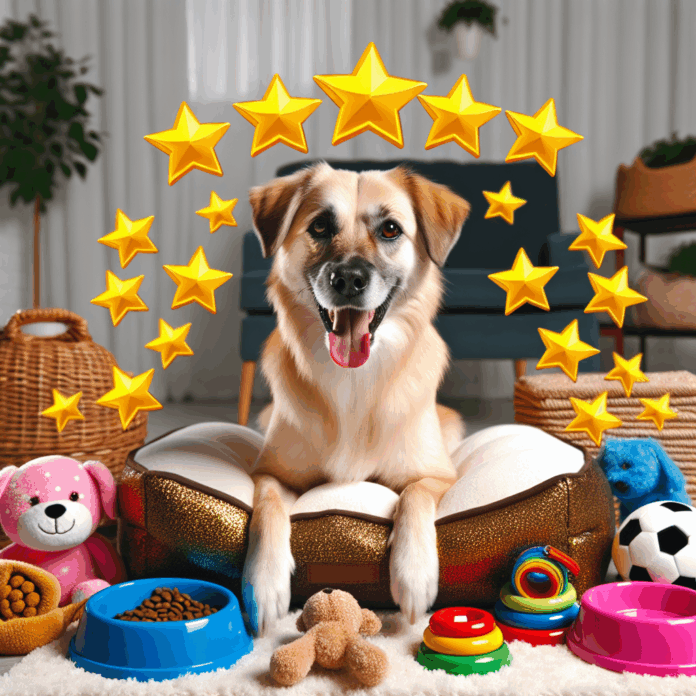
Welcoming a dog into your home is one of life’s joys. However, it also entails responsibilities that every new dog owner should be prepared for. To make this transition easier, we’ve crafted the ultimate Dog Owner’s Starter Kit—your comprehensive guide to essential supplies, training, health care, and more. From the moment you bring your furry friend home, having the right supplies can ensure a smooth and enjoyable experience for both of you.
1. Essential Supplies
A. Food and Water Essentials
1. High-Quality Dog Food: Choose a diet appropriate to your dog’s age, size, and health needs. Look for brands that list meat as the first ingredient without fillers or artificial preservatives. Consulting with your veterinarian may help in selecting the best food.
2. Food and Water Bowls: Invest in sturdy, non-slip bowls that are easy to clean. Stainless steel or ceramic are often the best choices as they resist bacteria compared to plastic.
3. Treats: Select healthy treats—like freeze-dried meats or dental chews—that reinforce good behavior during training.
B. Grooming Supplies
1. Brush: Depending on your dog’s coat type (short, long, or curly), a proper brush will help maintain a clean and healthy coat. Regular brushing reduces shedding and helps identify skin issues early.
2. Shampoo: Use a gentle dog shampoo suitable for your dog’s skin type. Avoid human shampoos as they can irritate a dog’s skin.
3. Nail Clippers: Regularly trimming your dog’s nails prevents overgrowth and discomfort. Guillotine-style clippers are user-friendly for beginners.
C. Safety and Identification
1. Collars and Leashes: A sturdy collar that fits well is essential. A leash that is 4-6 feet long is ideal for daily walks. Consider a harness for more control, especially for strong or excitable dogs.
2. ID Tags: Attach a tag to your dog’s collar with your contact information. Microchipping is also recommended for additional safety.
3. Crate: A crate can serve multiple purposes—training, travel, and providing a safe space for your dog. Ensure it’s sized correctly to allow your dog to stand, turn around, and lie down comfortably.
2. Training Essentials
A. Basic Commands and Obedience
Training your dog is essential for safety and harmony at home. Basic commands like sit, stay, come, and heel are foundational. Positive reinforcement techniques work best, where you reward desirable behaviors with treats, praise, or playtime.
B. Training Resources
1. Training Classes: Enroll in a local dog training class. Professional trainers can offer valuable guidance and support.
2. Training Books and Videos: Many books and online resources can assist you. Look for ones that emphasize positive reinforcement techniques.
3. Health and Wellness
A. Regular Veterinary Care
1. Vaccinations: Ensure your dog receives all necessary vaccinations. A visit to the vet can establish a vaccination schedule based on your dog’s age and health needs.
2. Routine Check-Ups: Regular wellness checks help ensure your dog is healthy and can catch potential issues early.
B. Parasite Prevention
1. Flea and Tick Prevention: Consult your veterinarian for the best options suited to your dog and environment.
2. Heartworm Prevention: Annual testing and monthly preventive medications can help protect against heartworm disease.
C. First-Aid Kit
Having a first-aid kit specific for dogs can be a lifesaver in emergencies. Include items like gauze, antiseptic wipes, tweezers, and a digital thermometer. Educate yourself on basic first-aid procedures for dogs.
4. Engaging Activities
A. Mental Stimulation
Dogs thrive on mental engagement. Puzzle toys and treat-dispensing toys can keep them busy and stimulated.
B. Physical Activities
Regular walks, playtime in a secure yard, or visits to a dog park promote physical health and well-being. Engage in activities like fetch, tug-of-war, or agility training to keep your dog fit.
5. Creating a Comfortable Home Environment
A. Safe Space
Create a safe, cozy space in your home where your dog can relax. This could be a quiet corner with a dog bed, blankets, and toys.
B. Dog-Proofing Your Home
Keep hazardous items, toxic plants, and choking hazards out of reach. Training your dog to understand boundaries can help them navigate their home safely.
6. Building a Bond
A. Quality Time
Spend time bonding with your dog through walks, playtime, or quiet moments together. This strengthens your connection and builds trust.
B. Socialization
Expose your dog to different environments, people, and other dogs early on. Socialization reduces anxiety and helps them feel more confident in various situations.
Conclusion
Bringing a dog into your life is a rewarding experience full of love, companionship, and joy. Equipping yourself with the Ultimate Dog Owner’s Starter Kit ensures you’re ready to meet the challenges and responsibilities that come with caring for your furry friend. From proper supplies to health care, training, and bonding, each component of this kit plays a crucial role in fostering a happy and healthy relationship with your dog.
FAQs
Q1: How do I choose the right food for my new dog?
A1: Consider your dog’s age, size, and health conditions when selecting food. Look for high-quality brands that list real meat as the primary ingredient. Consult your veterinarian for personalized recommendations.
Q2: What should I do if my dog is not responding to training?
A2: Patience is key in dog training. If your dog is not responding, reevaluate your training methods. Ensure you’re using positive reinforcement and consider seeking professional help or attending training classes.
Q3: How often should I take my dog to the vet?
A3: Generally, adult dogs should visit the vet at least once a year for a check-up. Puppies and senior dogs may require more frequent visits. Always follow your veterinarian’s advice.
Q4: What are the signs of distress in dogs?
A4: Signs may include excessive barking, panting, pacing, hiding, or aggressive behavior. If you suspect your dog is in distress, consult a veterinarian or a professional dog behaviorist.
Q5: Is it necessary to crate train my dog?
A5: Crate training can provide a safe space for your dog and assist in housebreaking. However, it’s not mandatory. If you choose not to crate train, ensure your dog has a secure area in your home where they feel comfortable.
This starter kit is designed to make your journey as a dog owner fulfilling and joyful. Best of luck on this exciting adventure with your new companion!

