

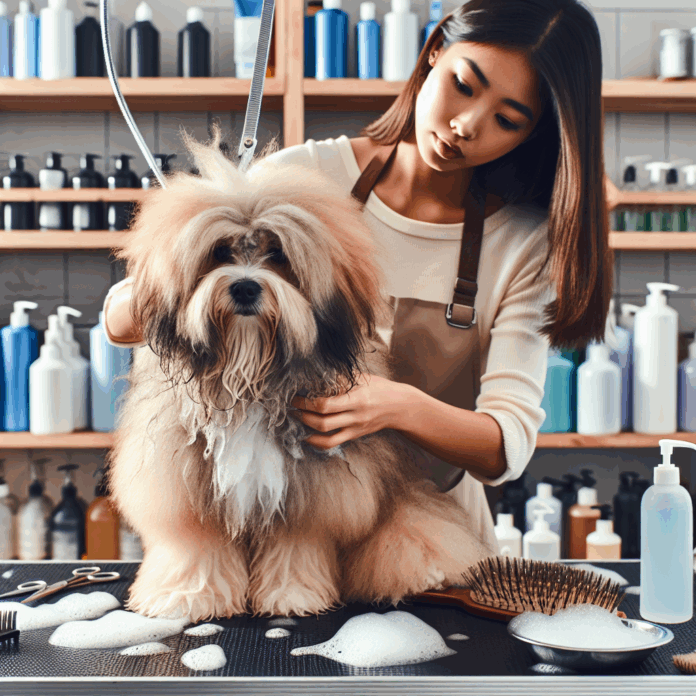
Grooming is an essential part of pet care that encompasses the overall health and well-being of your canine friend. It’s more than just aesthetics; grooming helps prevent health issues, keeps your dog comfortable, and can even enhance your bond. However, the grooming needs of dogs can vary drastically depending on their breed. This article will outline when and how to groom your dog based on breed, tailored grooming practices, and common grooming questions.
Understanding Breed-Specific Grooming Needs
Why Breed Matters
Different dog breeds possess unique coat types, skin sensitivities, and physical characteristics that affect their grooming requirements. Understanding these differences is vital for any dog owner to ensure your pet looks and feels their best.
Common Coat Types
Short-Haired Breeds: Dogs like Beagles and Boxers typically have short, smooth coats that require less frequent grooming. Regular brushing once a week is usually sufficient to remove loose hair and dirt.
Medium-Haired Breeds: Breeds such as Labrador Retrievers and Cocker Spaniels fall into this category. They usually require brushing two to three times a week to manage shedding and prevent matting.
Long-Haired Breeds: Dogs like Maltese and Afghan Hounds have longer coats that need daily brushing. These dogs are prone to tangles and mats, making consistent grooming essential.
Curly-Haired Breeds: Poodles and Portuguese Water Dogs have curly coats that don’t shed as much but require regular grooming, including professional trimming every 6-8 weeks.
- Double-Coated Breeds: Breeds like Huskies and Golden Retrievers have a thick undercoat. They typically experience seasonal shedding and require frequent brushing (up to three times a week during shedding season, which can vary depending on climate).
Grooming Schedule Based on Breed
Toy Breeds
Examples: Chihuahua, Yorkshire Terrier
Grooming Frequency: Every 4-6 weeks
Notes: Toy breeds often have sensitive skin, so choose gentle grooming products. Regular nail trimming and dental care are vital.
Small Breeds
Examples: Dachshund, Boston Terrier
Grooming Frequency: Every 4-8 weeks
Notes: Small breeds may need nail trimming and ears cleaned regularly. A bath every couple of months is typically sufficient, depending on the dog’s activity level.
Medium Breeds
Examples: Border Collie, Bulldog
Grooming Frequency: Every 3-6 weeks
Notes: Medium-haired dogs should undergo brushing weekly, while long-haired variants require more frequent grooming. Consider seasonal shedding.
Large Breeds
Examples: Labrador Retriever, Rottweiler
Grooming Frequency: Every 2-4 weeks
Notes: Large breeds may benefit from a professional grooming session every few months. Regular brushing is essential during shedding periods.
Giant Breeds
Examples: Great Dane, St. Bernard
Grooming Frequency: Every 4-8 weeks
Notes: These breeds often have shorter coats but still require brushing for skin health. Pay special attention to their large paws and ears, which should be checked regularly.
Purebreds vs. Mixed Breeds
Mixed breeds can take on traits from multiple breeds, so it’s essential to observe their coat and grooming needs closely. If your mixed breed has a long coat, it may require more frequent grooming like its long-haired parent.
Seasonal Considerations
Grooming needs can change with the seasons. For instance, many dogs may shed more during spring and fall as they transition between their winter and summer coats. Here are a few seasonal tips:
Spring: Increase brushing to help with shedding. Consider a thorough wash and de-shedding treatment.
Summer: Keep an eye on heat sensitivity. Light trims may help keep coat airiness without compromising protection from the sun.
Fall: Be proactive about brushing in preparation for the winter coat coming in.
- Winter: Maintain a regular grooming schedule but consider less frequent baths, as over-bathing can strip natural oils.
Essential Grooming Techniques
Bathing
Choose a shampoo that suits your dog’s coat type and skin sensitivity. Bathe your dog only when necessary; over-bathing can irritate their skin. Aim for every 1-3 months for most breeds, while others may only need occasional baths.
Brushing
Brushing is vital for removing dirt and loose fur. The right brush can vary:
- Slicker Brushes for long-haired breeds
- Bristle Brushes for short-haired breeds
- Combs for detangling
Nail Trimming
Keeping nails trimmed is crucial for your dog’s comfort and health. Aim to trim every 3-4 weeks, depending on your dog’s activity level.
Ear Cleaning
Many breeds are predisposed to ear infections, particularly those with floppy ears. Regular ear checks and cleaning are necessary.
Professional Grooming
Some breeds, especially those needing specific cuts (like Poodles), may require professional grooming every 6-8 weeks to maintain their look.
Grooming Products to Consider
Shampoos: Look for breed-specific formulations.
Conditioners: Good for long-haired breeds to reduce tangles.
De-shedding Tools: Essential during shedding seasons.
Ear Cleaners: To keep infections at bay.
- Nail Clippers: Invest in quality clippers designed for your dog’s size.
Building a Positive Grooming Experience
Start grooming routines as early as possible to acclimatize your dog to the process. Use positive reinforcement, including treats and praise, to create a trusting environment. Make grooming a bonding experience, ensuring your dog feels comfortable during each session.
FAQs
1. How often should I groom my dog?
Grooming frequency varies by breed. Generally:
- Short-haired dogs: Every 1-2 weeks
- Medium-haired dogs: Every 2-4 weeks
- Long-haired dogs: Daily to weekly
2. Can I groom my dog at home?
Yes! Many owners successfully groom their dogs at home. However, certain breeds may require professional grooming, especially those needing specialized cuts.
3. What tools do I need for grooming?
Essential tools include:
- Brushes specific to your dog’s coat type
- Nail clippers
- Dog shampoo and conditioner
- Ear cleaning solution
4. How can I make grooming easier for my dog?
Start young, associate grooming with positive experiences using treats and praise, and ensure you are calm and patient during the process.
5. What if my dog hates being groomed?
If your dog shows anxiety or discomfort, take breaks during grooming sessions and gradually introduce grooming tools. Consider consulting a professional trainer for tips.
Conclusion
Understanding your dog’s grooming needs based on their breed is key to keeping them healthy and happy. With regular grooming, you can enhance your dog’s quality of life, prevent health issues, and strengthen your bond. Always look for cues from your pet, adjusting your grooming routine as necessary, and don’t hesitate to seek professional help when unsure. Happy grooming!

