

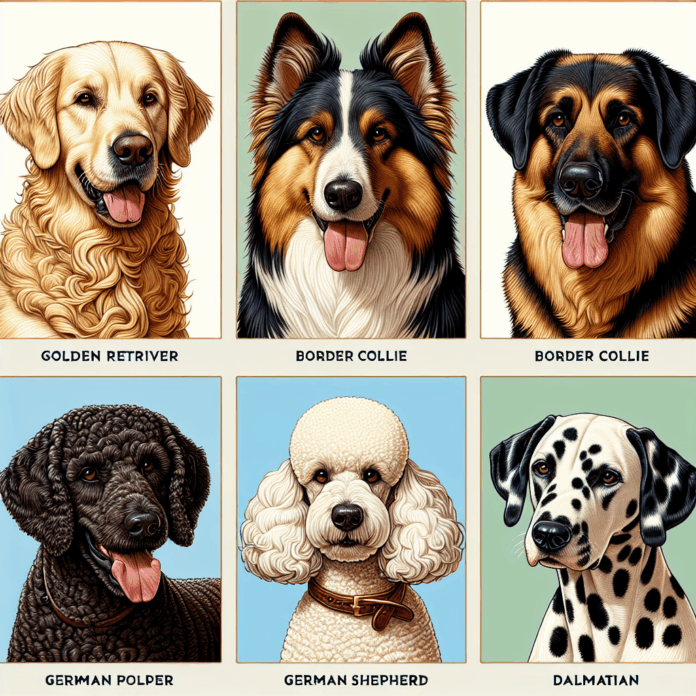
Choosing the right dog breed can be one of the most significant decisions a pet owner can make. When you decide to welcome a canine companion into your life, several factors come into play: size, temperament, energy level, and lifestyle compatibility. This article will explore the differences between small and large dog breeds, helping you align your choice with your lifestyle needs.
Understanding Size
Small Dog Breeds
Small dog breeds typically weigh less than 25 pounds. Popular examples include Chihuahuas, Pomeranians, and Dachshunds. These breeds are known for their adaptability and can thrive in various living situations, particularly apartments and small homes.
Advantages of Small Dogs
- Space Requirements: They require less physical space. Small dogs can comfortably navigate smaller living areas and need less room to roam.
- Exercise: Generally, small dogs do not require as much exercise as larger breeds. A few short walks or play sessions at home can keep them healthy and happy.
- Maintenance: Grooming needs can be less demanding than those for some large breeds.
- Cost: Smaller dogs often have lower food and medical expenses.
Disadvantages of Small Dogs
- Fragility: Small breeds may be more fragile, making them less suitable for homes with young children.
- Barking: Many small breeds are known for being yappers, which may not be suitable for shared living spaces.
- Training Challenges: Some small breeds have a reputation for being stubborn or difficult to toilet train.
Large Dog Breeds
Large dog breeds typically weigh more than 70 pounds. Breeds like Labrador Retrievers, Golden Retrievers, and Rottweilers fall into this category. Large dogs require more space and exercise but can offer additional benefits.
Advantages of Large Dogs
- Compatibility with Active Lifestyles: Large dogs often have higher energy levels and can keep up with active individuals or families.
- Protection and Loyalty: Many large breeds are known for their protective nature, providing a sense of security.
- Trainability: Larger breeds can be easier to train, particularly when socialized early, due to their eagerness to please.
Disadvantages of Large Dogs
- Space and Exercise Needs: They require ample space and regular exercise, making them less suitable for apartments or small homes.
- Health Issues: Large breeds can be prone to specific health problems, such as hip dysplasia and obesity, which can lead to higher medical costs.
- Cost: Feeding and maintaining a large dog can be significantly more expensive than caring for a small dog.
Assessing Your Lifestyle
When choosing between a small or large dog, it’s essential to assess your lifestyle. Here are some factors to consider:
Living Space
Apartment vs. House: If you live in an apartment, a small dog may be a better fit. Large breeds can thrive in homes with yards but need room to move and play.
- Outdoor Access: Consider how accessible outdoor spaces are. If you have easy access to parks or backyards, a larger breed might be more feasible.
Time Commitment
Work Schedule: If you work long hours, a small breed that requires less exercise might be more suitable. Conversely, if you can offer time for regular walks and play, a larger breed could thrive.
- Training Time: Large dogs often require more training and socialization, especially given their size and strength.
Family Dynamics
Children: Consider your family size and the age of children. Small dogs might not tolerate rough play, while larger breeds can be a better match for active families.
- Allergies: If someone in your family has allergies, consider hypoallergenic breeds in both sizes.
Budget
Feeding and Health Costs: Larger dogs consume more food and may incur higher veterinary costs. Assess your budget to determine the most feasible choice.
- Grooming: Small dogs often have less demanding grooming needs, making them easier to maintain.
Personality Traits and Temperament
The personality of each breed should guide your decision as much as their size.
Small Dogs
- Small breeds often have bold, extroverted personalities. They can be quite affectionate and loyal, often forming strong bonds with their owners.
- Many small dogs are excellent watchdogs due to their alertness and tendency to bark.
Large Dogs
- Large breeds tend to be more laid-back and gentle, though this varies by breed. They can provide a nurturing presence, especially in family settings.
- They often exhibit a more protective instinct, making them suitable as family guardians.
FAQs
1. What is the best small dog for families?
Answer: Breeds like Cavalier King Charles Spaniels and Beagles are known for being affectionate and good with children.
2. Are large dogs more challenging to train?
Answer: Not necessarily. While large dogs may require more consistent training due to their strength, breeds like Labrador Retrievers are known to be very trainable.
3. Can small dogs live in small apartments?
Answer: Yes, small dogs are often well-suited for apartment living as long as they get enough exercise and mental stimulation.
4. Do large dogs require more attention?
Answer: Generally, large dogs may need more exercise and space, but attention requirements vary by breed and individual temperament.
5. How do I choose the right breed?
Answer: Assess your lifestyle, living situation, time commitment, and budget. Research specific breeds to understand their needs and temperaments better.
Conclusion
Choosing the right dog breed involves careful consideration of various factors, including size, lifestyle, and personality. Whether you’re leaning toward a small or large breed, understanding these differences will help ensure a harmonious relationship between you and your canine companion. No matter the size, a pet brings joy, companionship, and a sense of responsibility that enriches your life. The key is to choose a breed that fits seamlessly into your lifestyle, ensuring a happy and fulfilling experience for both you and your furry friend.

