

As pet owners, we are entrusted with the responsibility of ensuring our pets lead happy, healthy lives. One of the most essential components of a dog’s well-being is regular exercise. Not only does it keep them physically fit, but it also supports their mental health and enhances the bond you share. Let’s explore some fun and effective exercise routines that will keep your furry friend engaged, active, and tail-waggingly happy.
Understanding Your Dog’s Exercise Needs
Before diving into specific routines, it’s important to understand that different breeds and ages have varying exercise needs. For instance, high-energy breeds like Border Collies and Siberian Huskies require more intense workouts compared to low-energy breeds like Bulldogs or Pugs.
Puppies: These energetic little ones need moderate playtime but should not be overexerted. Frequent short bursts of excitement are better than long, exhausting sessions.
Adult Dogs: Most adult dogs need about 30 minutes to 2 hours of exercise daily, depending on their size and energy levels. This can be a combination of walks, playtime, and structured exercise.
Senior Dogs: While older dogs may not require as much exercise, they still benefit from light activities. Short, gentle walks and interactive games can keep their joints flexible and minds sharp.
Fun and Engaging Exercise Routines
1. Daily Walks
The simplest way to ensure your dog gets regular exercise is through daily walks. Vary the route to keep things interesting, and let your dog sniff around—this is key to their enjoyment. Use a comfortable leash and harness to maintain control, and remember to monitor your dog’s energy levels.
2. Fetch and Retrieve
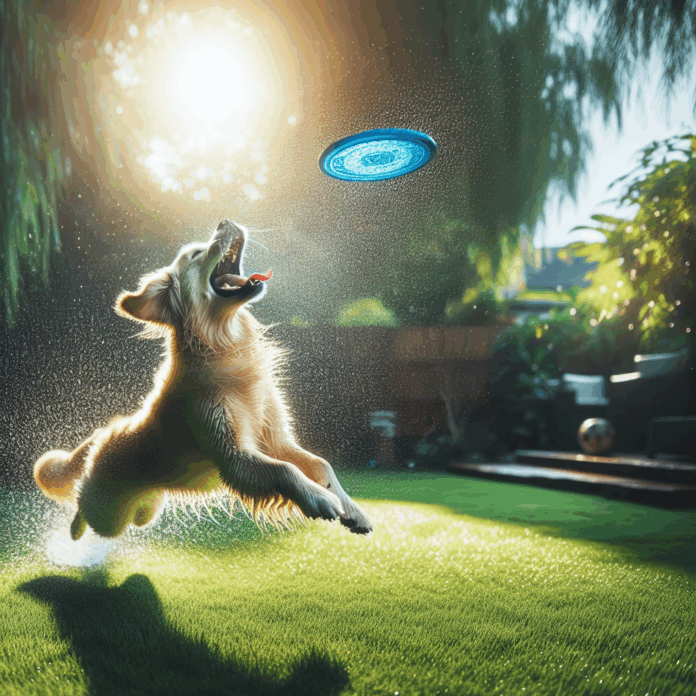
Fetch is an age-old classic that will never go out of style. Find a safe open space, ideally a grassy field or a dog park, and toss a ball or a Frisbee. Teach your dog how to retrieve by encouraging them to bring the toy back. This exercise not only relieves energy but also reinforces basic commands like "drop it" and "come."
3. Obstacle Course
Set up a mini agility course in your backyard or a spacious area. Use items like cones, hula hoops, and tunnels for your dog to weave through, jump over, or crawl under. Incorporate commands and praise as your dog navigates the course. This routine enhances physical coordination and stimulates your dog’s mind as they learn to follow commands.
4. Swimming
Many dogs enjoy water, making swimming an excellent exercise option. It’s low-impact and perfect for dogs with joint issues or those recovering from surgery. Please ensure safety by using dog-friendly life vests and supervising your dog in the water. If you don’t have access to a pool or beach, consider pet-friendly swim facilities.
5. Interactive Toys
Engage your dog’s mind and body with interactive toys. Puzzle toys that dispense treats can keep your furry friend entertained while encouraging physical activity as they move around and solve the puzzle. Rotate different toys to keep your dog’s interest piqued.
6. Family Playtime
Engage the whole family in playtime. Activities like tug-of-war, hide-and-seek, or a simple game of chase can serve as engaging ways to exercise together. These activities foster family bonding and offer your dog the social interaction that is vital for their happiness.
7. Scent Games
Dogs love to use their noses! Set up games where your dog has to find treats hidden around the house or garden. This stimulates their natural instincts and keeps their minds sharp. Start with easy placements and gradually increase the difficulty as your dog gets better at the game.
8. Hiking and Trail Walking
If your dog enjoys exploring, consider taking them on a hike. Trails offer varied terrain and new scents, providing both mental and physical stimulation. Make sure to bring plenty of water for both of you, and check if the trails are dog-friendly.
9. Canine Sports
Consider enrolling your dog in canine sports such as agility training, flyball, or obedience competitions. These activities are not only fun but also provide structured exercise. Plus, it’s a great way to meet other dog owners and build a community.
Tips for Successful Exercise Routines
Consistency is Key: Establish a routine that mandates regular exercise. Consistency helps to establish good habits and allows your dog to anticipate activity times.
Stay Observant: Always watch for signs of fatigue, overheating, or discomfort. Adjust the intensity or duration of exercises accordingly.
Hydration is Crucial: Always provide fresh water before and after exercise to keep your dog hydrated.
Health Check: Consult with a veterinarian before starting any new exercise routine, especially if your dog has health issues or is overweight.
- Make It Fun: Keep the atmosphere light-hearted and playful. Use lots of praise and enthusiasm to encourage your dog to participate.
Conclusion
Regular exercise is a critical part of keeping your furry friend healthy and happy. Incorporating a variety of activities ensures that your dog stays engaged and excited about exercise. From leisurely walks to stimulating games and challenging obstacle courses, there are endless opportunities for you and your furry friend to bond and thrive together.
FAQs
1. How much exercise does my dog really need?
The requirement varies based on age, breed, and health. Generally, adult dogs need 30 minutes to 2 hours of exercise daily, while puppies and senior dogs require less.
2. What are some signs that my dog needs more exercise?
Signs include excessive barking, destructive behavior, restlessness, or hyperactivity. A bored dog often resorts to unwanted behaviors.
3. Can I over-exercise my dog?
Yes! Over-exercising can lead to injuries or exhaustion. Watch for signs of fatigue like heavy panting, lagging, or reluctance to continue.
4. What if my dog doesn’t enjoy certain exercises?
Every dog is unique. Experiment with different activities to discover what they enjoy most. Consult with a vet if you’re unsure.
5. Are there indoor exercises I can do during bad weather?
Absolutely! Activities like tug-of-war, fetch in a hallway, or using interactive toys can be great indoor alternatives to keep your dog active.
Incorporating fun exercise routines into your daily life not only meets your dog’s physical needs but strengthens the bond you share, leading to a happier, healthier, and more fulfilled furry companion!

