

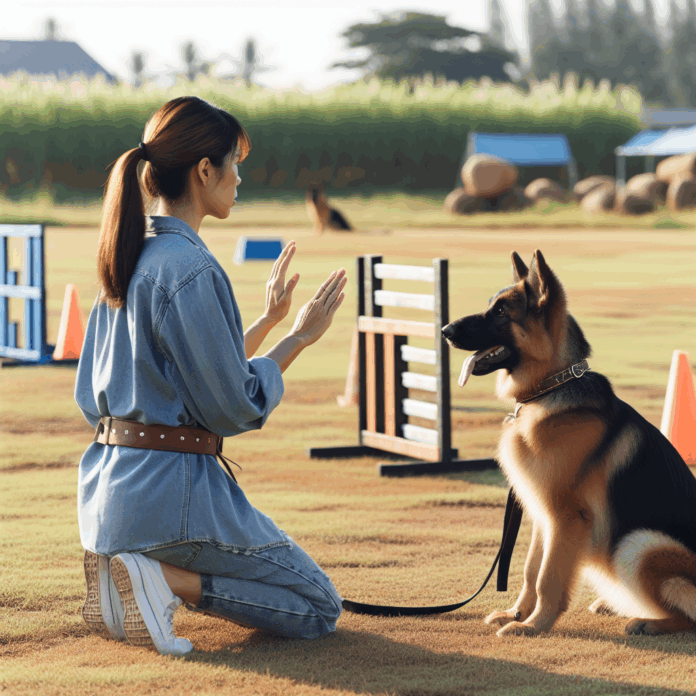
Leash training can be a challenging yet rewarding experience for both dog and owner. One of the most common issues faced by dog owners is the classic tug-of-war scenario during walks. This behavior not only leads to frustration but can also hinder a pleasant walking experience. In this guide, we dive deep into effective leash training methods to ensure that both you and your dog enjoy your outdoor adventures.
Understanding the Tug of War Phenomenon
Why Dogs Pull on Leashes
Dogs naturally possess a strong instinct to explore their environment. When walking, they may pull on the leash for various reasons, including curiosity, excitement, or anxiety. The tug-of-war behavior can be exacerbated by the length of the leash; if it’s too long, the dog has more freedom to pull ahead. Furthermore, the lack of understanding between owner and pet can lead to miscommunication, resulting in a tugging match instead of a leisurely stroll.
The Consequences of Tugging
Allowing your dog to pull on the leash can lead to several negative consequences:
Injury: Tugging can strain the dog’s neck or lead to other physical injuries, especially in smaller breeds.
Behavioral Issues: Dogs that frequently pull may develop further behavioral problems, including aggression towards other dogs or people.
- Lack of Control: A dog that pulls may be harder to manage in various situations, increasing the risk of accidents.
Effective Leash Training Techniques
1. Choosing the Right Equipment
The first step in effective leash training is selecting the right equipment. Consider using:
A well-fitted collar or harness: A harness that clips at the front can be particularly effective as it discourages pulling by redirecting the dog towards you.
- A shorter leash: A leash that is around 4 to 6 feet long gives you more control and reduces the distance your dog can pull away.
2. Positive Reinforcement Techniques
Implementing positive reinforcement can foster good behavior during your walks. Here’s how:
Reward-Based Training: Use treats or praises whenever your dog walks beside you without pulling. Gradually increase the distance you walk in this manner before rewarding.
- Clicker Training: A clicker can be a helpful tool in marking the moment your dog shows the desired behavior. When your dog walks calmly, click and treat.
3. Teaching the "Heel" Command
The “heel” command is a crucial part of leash training. Follow these steps:
Start Indoors: Practice in a distraction-free environment where your dog can focus on you.
Positioning: Use treats to guide your dog into the correct position beside you.
- Walk and Reward: Take a few steps, and if your dog stays in position, reward them. Gradually increase the duration and distance.
4. Be Consistent
Consistency plays a key role in successful leash training. Here are some tips:
Set Rules: Decide which behaviors are acceptable, and make sure every member of the household enforces these rules.
- Regular Training Sessions: Short daily training sessions (5-10 minutes) help reinforce learning without overwhelming your dog.
5. Redirecting Attention
If your dog starts to pull, redirect their attention using these techniques:
Change Direction: If your dog pulls forward, stop walking and change direction. This teaches your dog to stay close to you.
- Use Toys: Carry a favorite toy to distract your dog when they begin to pull.
6. Patience and Persistence
Training any behavior, including leash walking, requires time. Each dog learns at their pace, and setbacks are normal. Celebrate the small victories and maintain a positive attitude.
7. Professional Help
If you’re struggling with training, don’t hesitate to seek professional assistance. Trainers who specialize in leash training can provide personalized strategies based on your dog’s specific needs.
Common Challenges and Solutions
Distractions
Many dogs find it difficult to focus during walks, especially if they see other dogs or people.
Solution: Train your dog to maintain focus with scheduled distractions. Gradually introduce distractions while reinforcing calm behavior.
Energy Levels
High-energy dogs often tug due to excitement.
Solution: Increase your dog’s exercise before walks. Activities like fetch or agility training can help burn off excess energy.
Overstimulation
Some dogs may become overly excited when they encounter new sights or smells.
Solution: Practice walking in quieter areas until your dog learns to remain calm before gradually introducing them to busier environments.
Conclusion
Leash training doesn’t have to be an arduous task full of tug-of-war battles. With the right techniques, patience, and consistency, you can transform your walks into enjoyable experiences for both you and your furry friend. Remember, every dog is unique, and finding what works best for you will make all the difference in your training journey.
FAQs
Q1: How long does it take to train a dog to walk on a leash properly?
A: The time can vary greatly depending on the dog’s age, breed, and previous experiences. It can take from a few weeks to several months. The key is consistency and patience.
Q2: Can I use a retractable leash for training?
A: It’s generally not recommended for training, as they can encourage pulling. A regular leash offers better control and reinforces proper walking behavior.
Q3: What should I do if my dog reacts aggressively towards other dogs while on a leash?
A: Prioritize your safety and that of your dog. Stay calm, create distance, and redirect your dog’s attention. Consult a professional trainer for tailored strategies.
Q4: Is it necessary to use treats during leash training?
A: While treats are beneficial, they are not mandatory. Verbal praise and affection can also serve as effective rewards. Find what motivates your dog the best.
Q5: Should I continue training if my dog has mastered walking on a leash?
A: Yes! Regular practice and reinforcement help maintain your dog’s good behavior over time. Frequent, short sessions can keep skills sharp.
Embarking on leash training can initially be daunting but remember that every small step forward is a victory. With your commitment and the right strategies, you can enjoy peaceful walks and strengthen your bond with your pet.

