

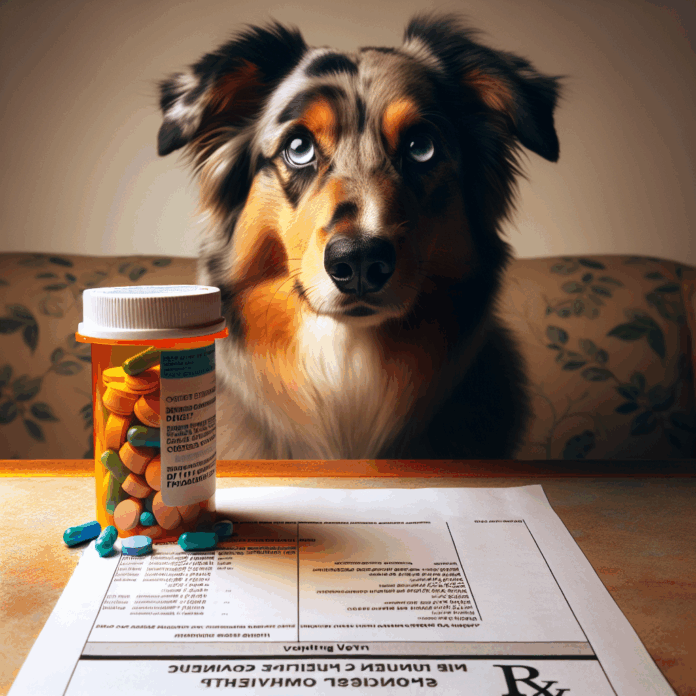
As a responsible pet owner, ensuring the health and well-being of your furry friend is paramount. While prescription medications are often highlighted in veterinary care, over-the-counter (OTC) medications can also play an essential role in providing relief and promoting wellness for your pup. This guide will delve into the types of OTC medications available for dogs, their uses, safety considerations, and frequently asked questions to help you make informed decisions about your pet’s health.
Understanding Over-the-Counter Medications
OTC medications are medications available without a prescription. While some might assume that these medications are entirely safe, they should always be approached with caution. Just like in humans, dogs can experience side effects, drug interactions, and allergic reactions. It’s crucial to consult a veterinarian before administering any medication, even if it’s available over the counter.
Categories of OTC Medications for Dogs
Here are the primary categories of OTC meds available for dogs:
1. Pain Relief
Common human pain relievers, such as acetaminophen (Tylenol), are toxic to dogs and should never be administered. However, there are safer alternatives, such as aspirin and buffered aspirin, specifically formulated for canines.
- Aspirin: This non-steroidal anti-inflammatory drug (NSAID) can help alleviate mild to moderate pain and inflammation in dogs. However, consult with your veterinarian regarding appropriate dosage and frequency.
2. Antihistamines
If your pup suffers from allergies, antihistamines can be beneficial.
- Diphenhydramine (Benadryl): Often used to relieve allergy symptoms like itching, sneezing, and hives. The recommended dosage is typically 1 mg per pound of body weight, but always check with your veterinarian first.
3. Digestive Aids
For dogs experiencing mild digestive issues, OTC medications can provide relief.
Probiotics: Available in various forms, probiotics can assist with digestive health by promoting healthy gut flora. Look for products specifically designed for dogs.
- Antacids and Acid Reducers: Products like famotidine (Pepcid) might help with mild stomach upset. Again, dosage should be verified with your veterinarian.
4. Flea and Tick Preventatives
While prescription flea and tick treatments are common, there are OTC options as well.
- Topical Treatments: Various topical solutions are available to combat fleas and ticks. Always ensure these products are suited for dogs, as formulations may differ for cats.
5. Skin Treatments
For minor skin irritations and infections, several OTC options can help.
Hydrocortisone Cream: Useful for localized itching and inflammation. However, ensure your dog doesn’t lick it off, as ingestion can lead to adverse effects.
- Antiseptics: Products like chlorhexidine can clean minor wounds and prevent infections. Always verify usage with a veterinarian for correctness.
Safety Considerations
Consult Your Vet: Always discuss any OTC medication with your veterinarian before administering it to your dog. They can provide vital information regarding safety, side effects, and appropriate dosages.
Read Labels Carefully: Ensure you select products specifically formulated for dogs. Never use human medications unless specifically directed by a veterinarian.
Monitor Your Dog: After giving any medication, observe your dog for any signs of adverse reactions, such as vomiting, diarrhea, or behavioral changes. If you notice anything concerning, contact your vet immediately.
Age and Weight Matters: Dogs vary in size and breed, which can affect how they metabolize medications. Small breeds may be more sensitive to certain drugs, making it crucial to adhere to recommended dosages based on their weight.
- Drug Interactions: If your pup is on any prescription medications or supplements, consider potential interactions. Always provide your vet with a complete list of any substances your dog is taking.
When Is It Appropriate to Use OTC Medications?
Several situations might warrant the use of OTC medications for dogs, including:
- Mild allergies or itching
- Relieving minor pain from injuries
- Digestive upset, such as mild diarrhea or gas
- Preventing fleas and ticks
It’s essential to acknowledge that while OTC medications can be beneficial, they should not replace veterinary care for severe illnesses or chronic conditions. Always err on the side of caution when dealing with your pet’s health.
Conclusion
Over-the-counter medications can be a valuable resource for managing your pup’s minor health issues and promoting their well-being. However, the key to safely utilizing these medications lies in understanding their uses, following proper dosages, and closely monitoring your dog for any side effects. By maintaining open communication with your veterinarian, you can ensure your furry friend stays happy and healthy.
FAQs
1. Can I give my dog human medications?
Some human medications, like certain antihistamines and pain relievers, may be safe for dogs in specific doses. However, it’s essential to consult your veterinarian first since many human medications can be toxic to dogs.
2. How do I know the correct dosage for my dog?
Dosages for OTC medications often depend on the dog’s weight and condition. Always consult your veterinarian to determine the appropriate dosage.
3. What should I do if my dog has an adverse reaction?
If you notice any adverse effects after administering an OTC medication, such as vomiting, diarrhea, or excessive drowsiness, contact your veterinarian immediately.
4. Are there any OTC medications that I should never give my dog?
Yes, several common human medications are toxic to dogs, including acetaminophen, ibuprofen, and certain cold medications. Always verify with a veterinarian before giving any medication.
5. How can I prevent my dog from needing OTC medications?
Maintain your dog’s health through regular veterinary check-ups, proper diet, exercise, and preventative care to reduce the risk of common ailments.
Your pup deserves the best care, and understanding how to safely use OTC medications can be an integral part of that care. Stay informed, consult professionals, and ensure your four-legged family member remains happy and healthy!

