

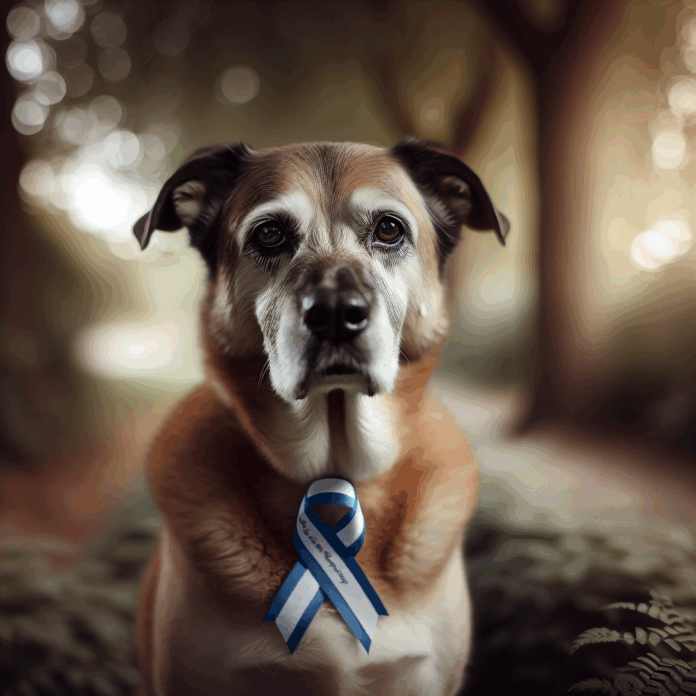
As our furry companions age, their health needs change, and so do the risks they encounter. One of the significant health concerns for senior dogs is cancer. Cancer can affect dogs of all ages, but senior dogs are at a higher risk due to their age and weakened immune systems. Recognizing the signs of cancer early can be the key to successful treatment and improved quality of life for your pet. This guide will help you understand the importance of senior dog health, the signs of cancer to watch for, and what steps you can take to ensure your beloved companion remains as healthy as possible.
Understanding Cancer in Dogs
Cancer in dogs is a blanket term that encompasses a variety of diseases characterized by abnormal cell growth. These growths can be benign (non-cancerous) or malignant (cancerous), and they can occur in various parts of the body, including organs, bones, and the skin. Common types of cancer in dogs include:
- Lymphoma: A cancer of the lymphatic system that often manifests as swollen lymph nodes.
- Osteosarcoma: A form of bone cancer typically found in large breed dogs.
- Mast Cell Tumors: A skin cancer that can appear as lumps or bumps on the skin.
- Hemangiosarcoma: A cancer of the blood vessels that often affects the heart or spleen.
- Melanoma: A type of skin cancer that can also occur in the mouth.
Risk Factors for Senior Dogs
Certain factors increase the likelihood of cancer in senior dogs. Age is the most significant risk factor, but other aspects can contribute to your dog’s vulnerability, including:
- Breed: Some breeds are genetically predisposed to certain types of cancer. For example, Golden Retrievers are more prone to lymphoma, while Rottweilers may be at higher risk for bone cancer.
- Environmental Exposure: Chemicals like pesticides, herbicides, and tobacco smoke can contribute to cancer risk.
- Obesity: Overweight dogs are at an increased risk for various types of cancer.
Recognizing the Signs of Cancer
Understanding the common signs of cancer can be life-saving for your dog. Here are some early indicators to watch for:
1. Unexplained Weight Loss
Sudden weight loss, especially when accompanied by a decreased appetite, can be a red flag. If your dog is losing weight despite normal eating habits, it may be time for a veterinary visit.
2. Lumps or Bumps
New lumps or bumps on the skin should not be overlooked, even if they seem benign. Monitor any changes in size, shape, or color, as these can indicate malignant growths.
3. Persistent Coughing or Difficulty Breathing
Coughing that doesn’t seem to go away after a few weeks or difficulty breathing could signify lung cancer or other lung-related issues.
4. Changes in Bathroom Habits
Excessive urination, straining to urinate, or blood in urine can be signs of bladder cancer. Similarly, changes in stool consistency or blood in the stool may indicate gastrointestinal cancers.
5. Loss of Energy or Lethargy
If your dog seems more tired, less enthusiastic about activities they typically enjoy, or redundant signs of discomfort, it may indicate an underlying issue, including cancer.
6. Changes in Behavior
A dog that suddenly becomes more aggressive, withdrawn, or fearful should be evaluated. Behavioral changes can sometimes signal pain related to cancer or other health issues.
7. Oral Issues
Bad breath (halitosis), excessive drooling, or difficulty eating can indicate oral tumors or other dental diseases.
8. Seizures or Neurological Signs
If your dog experiences seizures or displays unusual behaviors, it could be a sign of brain tumors or other serious conditions.
Diagnostic Procedures
If you notice any of these signs, consult your veterinarian without delay. They may recommend diagnostic procedures, which may include:
- X-rays: Used to identify tumors in the lungs and other areas.
- Ultrasounds: To visualize organs like the liver, kidneys, and spleen.
- Biopsies: A definitive test for cancer involves taking a tissue sample to check for cancerous cells.
- Blood Tests: Can reveal abnormalities and support the diagnosis.
Treatment Options
If your dog is diagnosed with cancer, treatment options will depend on the type and stage of the disease. Common treatment methods include:
- Surgery: To remove tumors or affected areas. This is often the first step in treatment.
- Chemotherapy: Used to kill cancer cells, often in conjunction with other therapies.
- Radiation Therapy: Can target specific tumors to shrink or eliminate them without the need for surgery.
- Alternative Therapies: These may include dietary changes, supplements, and holistic practices to improve your dog’s overall health and wellbeing.
Preventive Care for Senior Dogs
While not all cancers are preventable, adopting a proactive health care strategy can significantly improve the quality of life and potentially prevent the onset of disease. Here are a few tips:
- Regular Vet Check-ups: Annual or semi-annual veterinary visits can help catch early signs of health problems.
- Balanced Diet: Provide a diet rich in antioxidants, vitamins, and minerals to support your dog’s immune system.
- Maintain a Healthy Weight: Regular exercise and portion control can help prevent obesity-related diseases, including cancer.
- Limit Exposure to Toxins: Reduce your dog’s exposure to harmful chemicals and pollutants.
FAQs
1. What are the most common cancers in senior dogs?
The most common types of cancers in senior dogs include lymphoma, osteosarcoma, mast cell tumors, hemangiosarcoma, and melanoma.
2. How can I prevent cancer in my senior dog?
While not all cancers are preventable, regular veterinary check-ups, a balanced diet, exercise, and limited exposure to toxins can help reduce risk.
3. How often should my senior dog have veterinary check-ups?
For senior dogs, it is generally recommended to have check-ups at least twice a year, but your veterinarian may advise more frequent visits depending on your dog’s health.
4. What should I do if I notice signs of cancer in my dog?
If you notice any of the signs mentioned above, make an appointment with your veterinarian as soon as possible.
5. Is cancer treatment for dogs effective?
The effectiveness of treatment can vary widely based on the type of cancer, its stage, and individual factors. Your veterinarian will discuss the best options for your dog.
6. Can dogs survive cancer?
Many dogs can and do survive cancer with appropriate treatment. Early detection is key to improving outcomes.
7. Are there any specific diets for dogs with cancer?
Consult your veterinarian for dietary recommendations tailored to your dog’s specific condition. Nutritional support can play an essential role in their overall treatment plan.
In conclusion, being vigilant about your senior dog’s health and recognizing the signs of cancer is crucial for ensuring their wellbeing. With regular veterinary care, attention to changes in behavior and physical state, and a commitment to proactive health management, you can help your companion live a happy, healthy life well into their golden years.

