

Dog owners often experience the joy and companionship that comes with having a furry friend. However, it’s not uncommon for dogs to experience anxiety, which can manifest in various ways. From excessive barking and chewing to pacing and aggressive behavior, a dog’s anxiety can significantly impact its happiness and overall quality of life. At Calm Canine, we understand that addressing your dog’s anxiety is crucial for fostering a loving and healthy environment. Here’s a comprehensive look at effective solutions to help your dog overcome anxiety and lead a more peaceful life.
Understanding Dog Anxiety
Before diving into solutions, it’s important to understand the types of anxiety your dog may experience. Common types include:
Separation Anxiety: This occurs when a dog is left alone and can lead to destructive behaviors and excessive barking.
Noise Anxiety: Many dogs are sensitive to loud noises, such as thunder, fireworks, or even household sounds like vacuum cleaners.
Social Anxiety: Some dogs may become anxious in the presence of unfamiliar people or other animals.
- Travel Anxiety: Car rides and changes in environment can induce stress for some dogs.
Recognizing the signs of anxiety is essential. Common symptoms include:
- Excessive barking or howling
- Pacing
- Destroying furniture or other items
- Inappropriate urination or defecation
- Trembling or shaking
- Withdrawal from social interactions
Once you identify that your dog is dealing with anxiety, you can begin to implement effective strategies to help alleviate their stress.
Effective Solutions for Dog Anxiety
1. Creating a Calm Environment
One of the first steps in addressing anxiety is to create a safe and calm space for your dog. This involves:
- Comfortable bedding: Ensure your dog has a cozy place to relax.
- Safe zone: Designate a quiet area in your home where your dog can retreat when feeling anxious. This can be a specific room or a crate that feels secure for them.
- Soothing Sounds: Consider using calming music or white noise to drown out stressful sounds.
2. Training Techniques
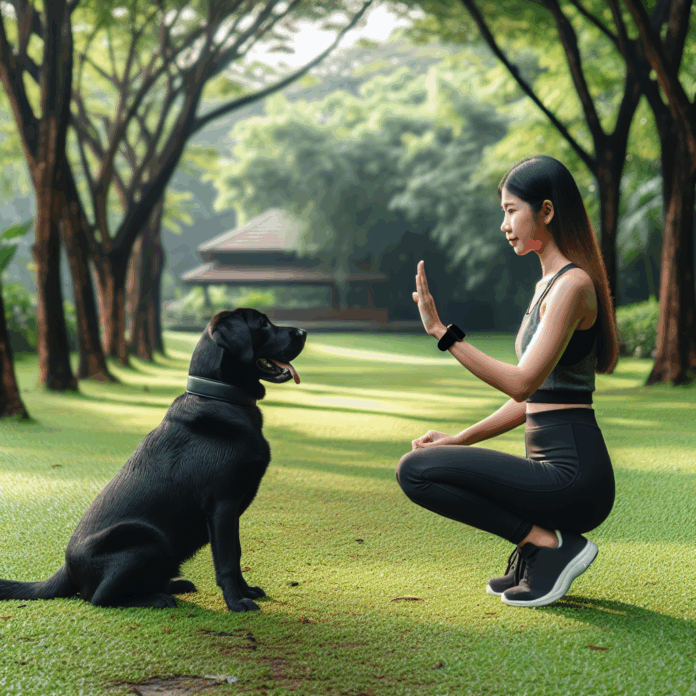
Training your dog can also help manage anxiety. Positive reinforcement techniques can build your dog’s confidence. Some effective methods include:
Desensitization: Gradually exposing your dog to the source of their anxiety—like loud noises or the presence of other pets—can help them become accustomed to it. Start with low levels and gradually increase exposure.
- Counterconditioning: This involves changing your dog’s emotional response to a stimulus. For example, if your dog is afraid of thunderstorms, pair the sound of thunder with treats and praise to create a positive association.
3. Behavioral Therapy
Engaging a professional dog trainer or animal behaviorist can be beneficial, especially if anxiety is severe. Trainers can provide personalized strategies tailored to your dog’s specific needs.
4. Exercise and Mental Stimulation
Regular exercise is key to reducing anxiety in dogs. A well-exercised dog is typically more relaxed. Activities can include:
- Daily walks
- Playtime at the park
- Fetch or tug-of-war
Additionally, mental stimulation is crucial. Puzzle toys, interactive games, and obedience training can keep your dog engaged and distracted from anxiety triggers.
5. Calming Products
Various products on the market can help alleviate anxiety in dogs:
Calming Collars: These collars release soothing pheromones that can help relax an anxious dog.
Thundershirts: These wrap around your dog’s body and apply gentle, constant pressure similar to swaddling a baby.
- Supplements and Medication: Consult your veterinarian for advice on calming supplements or medications that may be appropriate for your dog.
6. Natural Remedies
Many natural remedies can help soothe anxious dogs. Some popular options include:
CBD Oil: Many dog owners report success with CBD products that can help reduce anxiety without intoxication.
- Herbal Remedies: Ingredients such as chamomile, valerian root, and passionflower are known for their calming properties. Always consult your veterinarian before trying any new supplements.
7. Gradual Exposure to Triggers
Helping your dog become comfortable with their stressors is a gradual process. For example, if your dog is anxious about meeting new people, arrange for short, positive interactions with calm individuals who can offer treats.
8. Consistency is Key
Maintain a consistent routine regarding feeding, exercising, and training. A predictable environment can help reduce anxiety by giving your dog a sense of security.
FAQs
1. How can I tell if my dog has anxiety?
Common signs of anxiety in dogs include excessive barking, destructive behavior, pacing, trembling, and withdrawal from social interaction. If you observe these behaviors consistently, it may be time to seek professional help.
2. Are there specific breeds that are more prone to anxiety?
Certain breeds, such as Border Collies, German Shepherds, and Labrador Retrievers, are known to exhibit higher anxiety levels. However, any dog can develop anxiety regardless of breed.
3. Should I use medication for my dog’s anxiety?
Medication may be necessary for severe cases of anxiety. Always consult with a veterinarian before starting any medication or supplement, as they can provide the best advice tailored to your dog’s specific needs.
4. Can training help my anxious dog?
Yes, training can significantly reduce anxiety. Positive reinforcement training techniques can help build your dog’s confidence and teach them coping mechanisms for dealing with anxiety triggers.
5. How long does it take to see improvements?
Improvements can vary by dog and the severity of their anxiety. Some may respond to techniques in a matter of weeks, while others may take months of consistent training and support.
6. Are there any foods that can help calm my dog?
Certain dog foods and treats formulated with calming ingredients, such as chamomile or L-theanine, can help reduce anxiety. Consult your vet for recommendations.
Conclusion
Managing your dog’s anxiety is essential for their well-being. By understanding the causes of anxiety and employing effective strategies, you can help your dog lead a happier and more relaxed life. Remember, patience and consistency are key. With the right approach—be it environmental changes, training, or professional help—you can create a more tranquil world for your furry friend. By implementing these solutions from Calm Canine, you’re opening the door to a stress-free and loving environment for your beloved pet.

