

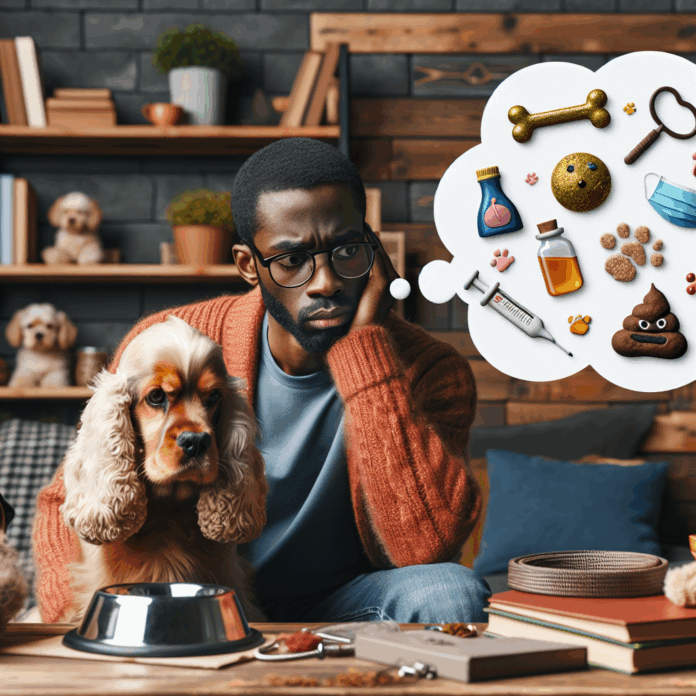
As a pet owner, you cherish the companionship and joy that your furry friend brings into your life. However, just like humans, dogs can experience health issues that may go unnoticed until they become serious. Early detection of illnesses can be crucial in ensuring your pup remains happy and healthy. In this article, we will discuss the signs of common dog illnesses, what to watch for, and the importance of regular veterinary checkups.
Recognizing Changes in Behavior
One of the first things you may notice when your dog is feeling under the weather is a change in behavior. Dogs are creatures of routine and habit; any deviation from their usual demeanor could be a sign of illness. Here are the primary behavioral changes to watch for:
1. Increased Lethargy or Fatigue
If your energetic dog suddenly becomes sluggish, disinterested in play, or spends excessive time sleeping, it could indicate an underlying problem. Conditions such as heart disease, infections, or pain may cause your pup to feel tired or inactive.
2. Loss of Appetite
A sudden change in your dog’s appetite—either not eating at all or drastically reducing food intake—can be a red flag. Loss of interest in food might suggest dental issues, gastrointestinal problems, or more serious conditions such as kidney disease.
3. Excessive Thirst or Urination
Increased thirst (polydipsia) and urination (polyuria) can signal various health concerns, including diabetes or kidney problems. If your dog is drinking more water than usual, monitor their bathroom habits closely.
Physical Signs of Illness
In addition to behavioral changes, physical symptoms can also point to illness. Here are common indicators to keep an eye on:
4. Vomiting and Diarrhea
Occasional vomiting and diarrhea can occur from eating something they shouldn’t. However, persistent symptoms lasting more than a day or accompanied by lethargy or blood may indicate a serious illness requiring immediate veterinary attention.
5. Coughing or Sneezing
Coughing and sneezing can be signs of respiratory infections or allergies. Pay attention to the frequency and intensity of these symptoms. Persistent coughs can suggest kennel cough, bronchitis, or heart disease.
6. Skin Issues
Unexplained itching, redness, or hair loss can point to allergies, infections, or parasitic infestations like fleas or mites. Healthy skin should appear bright, smooth, and free from lesions or excessive scratching.
7. Changes in the Eyes and Nose
Clear and bright eyes are key indicators of health. Watch for signs like redness, cloudy appearance, or discharge. Additionally, a dry or excessively runny nose can indicate illness, particularly if accompanied by other symptoms.
Signs Related to Mobility
Mobility issues can also signify health concerns, especially in older dogs:
8. Limping or Difficulty Moving
If your dog is reluctant to go for walks, struggles to jump, or begins limping, they may be experiencing joint pain, arthritis, or injuries. Regular exercise helps maintain their strength, but pain can hinder their mobility and quality of life.
9. Changes in Gait
A change in how your dog walks, runs, or stands could suggest neurological issues or pain. If you notice a wobbly gait or sudden instability, it’s essential to consult your veterinarian.
Behavioral Signs
Sometimes, dogs may exhibit unusual behaviors that indicate they are unwell:
10. Excessive Barking or Whining
If your pup suddenly becomes vocal, it may be a sign of stress or discomfort. Watch for patterns in their barking or whining; some conditions, like anxiety or pain, can cause dogs to vocalize differently.
11. Isolation
If your dog usually enjoys being around family but suddenly starts isolating itself or staying in one spot for extended periods, it could signify that something is wrong. Dogs may seek solitude when they are feeling ill or depressed.
When to Consult a Veterinarian
When your dog displays one or more of these symptoms, it’s vital to consult a veterinarian. Early diagnosis and treatment play a significant role in the effective management of many health issues. Persistent symptoms, especially combined with any dramatic changes in behavior, warrant immediate veterinary attention.
Preventive Care
Regular checkups, vaccinations, and preventative measures such as flea and tick control can help keep your dog healthy. Ensuring your dog maintains a balanced diet and regular exercise is also crucial for their overall well-being.
FAQs
1. What should I do if my dog is showing signs of illness?
If your dog exhibits any concerning symptoms, contact your veterinarian immediately for advice and possible diagnosis.
2. How often should my dog see the veterinarian?
Generally, adult dogs should have a veterinary checkup at least once a year. Puppies, senior dogs, and dogs with chronic conditions may need more frequent visits.
3. What are common health issues in older dogs?
Older dogs may be prone to arthritis, cancer, dental disease, kidney disease, and cardiovascular issues. Regular checkups can help identify these problems early.
4. How can I make my dog more comfortable if they’re unwell?
Ensure your dog has a quiet, comfortable place to rest, provide fresh water, and consider adjusting their diet to be easily digestible. Always consult your veterinarian for specific recommendations.
5. Are there any home remedies for common dog ailments?
While some minor issues may be manageable at home, it’s essential to consult your veterinarian before attempting any home remedies. Some treatments or substances harmful to dogs may be common household items.
By being aware of the signs and symptoms of dog illnesses and acting swiftly, you can help ensure your beloved pup remains healthy and happy. Remember, proactive care and regular checkups are your best tools in safeguarding your dog’s well-being.

